herbal fare

Lemon verbena peach cobbler

As promised earlier, here is my recipe for Lemon Verbena Peach Cobbler, compliments of Fredericksburg Herb Garden. Yummy goodness! 

peach cobbler

Lemon Verbena Peach Cobbler

4-6 cups peeled and sliced peaches
1 cup sugar
1/2 cup butter
1/4 cup sugar
2 tablespoons lemon verbena leaves
Zest of one lemon
1 cup flour
3/4 cup sugar
1 cup milk
1/4 teaspoon salt
2 teaspoons baking powder
Cinnamon to taste

Mix peaches with 1 cup sugar and set aside. 

Melt butter in glass 9×13 inch glass baking pan. 

Mix 1/4 cup sugar, lemon verbena and lemon zest in food processor. 

Combine flour, remaining 3/4 cup sugar, milk, salt and baking powder in a bowl and mix well. Stir in lemon verbena mixture. Pour over melted butter in baking pan. Spoon peaches over the batter and sprinkle with cinnamon. (Do not mix together!)

Bake at 350 degrees for one hour or until peach mixture is bubbly and crust is lightly brown. 

Notes:
I have previously made this recipe dairy free when needed.
I have also made it gluten free using King Arthur’s all purpose gluten free flour mixture.
I generally cut back on the sugar in most recipes, this one included.

gardening

The first day of fall…

The first day of fall in North Texas is never reflected in the thermometer, no matter how much we hope it will be. But hang on. The temperatures will start inching downward in a week or two. And rain will once again bless our gardens. 

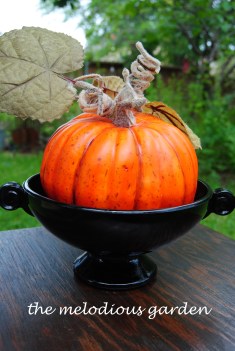
black bowl

Now is a great time to start making a list of your fall garden chores and deciding what bulbs to plant later this year for spring flowers. Our fall garden list this year includes finally building a new fence between us and the neighbor slightly uphill. Take advantage of our mild fall and winter weather for any hardscaping projects – such as new garden paths, constructing raised beds, building or repairing fences and gates. If you don’t have to rake a lot of leaves, now is a great time to add a fresh layer of mulch to your flower beds. If you are blessed (cursed?) with an abundance of leaves to rake, like we are, it is best to wait until the leaves fall and are raked up before adding new mulch.

Bulbs that return year after year in this area are daffodils, crocus, species tulips, Dutch iris, Luecojum and hyacinths. Buy them early for the best selection, but hold off planting until late November to early December. 

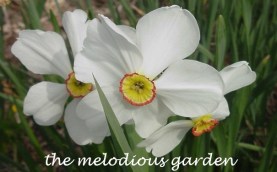
trioofdaffodils

Fall is a great time to plant shrubs, trees and perennials as it gives them time to get established before the heat of summer. 

doubleorange

If you have perennials that need divided, now is a great time to do so. Hostas, daylilies and irises all benefit from periodically being divided. My preferred method for digging and dividing is to use a pitchfork to dig, then soak the plant and root ball in diluted seaweed water for a bit to loosen the roots. The roots should be able to be gently torn apart. If you are dividing iris rhizomes, cut back the blades to 2-3 inches before replanting. 

jesse'ssong

Iris rhizomes can be found at the nurseries in the fall and online suppliers ship this time of year. Soak the rhizomes in diluted seaweed water for about 15 minutes before planting. Irises need to sit high in the soil to bloom best, so be sure not to bury them deep or cover them with mulch. 

fantastic blue

This is also a great time to mail order daylilies. Oakes Daylilies continues to be my favorite online supplier. They always send amazingly large plants, plus take requests for a bonus plant. If you are unable to buy and plant daylilies now, never fear. Oakes ships in the spring, as well.

frivfrills2

Don’t forget that we can grow a variety of vegetables through the winter here in North Texas, including beets, lettuce, broccoli, Brussels sprouts, chard and carrots. Cool season annual herbs that thrive in our winter weather include cilantro, chervil and cutting celery (Apium graveolens). Independent garden centers stock vegetable plants and seeds that can be planted now.

gardening

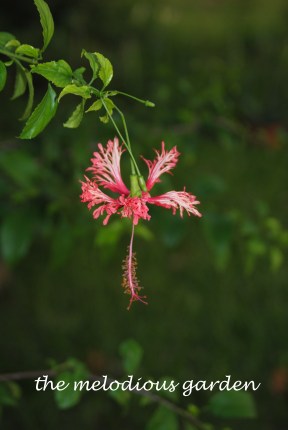
Hibiscus schizopetalus

tropical hibiscus 1

Hibiscus schizopetalus: One of my favorite tropical plants to grow in North Texas.

I drag this plant into the garage each winter, right before the first forecast of below-freezing weather. Nestled in the garage for the winter, the hibiscus goes dormant and drops all of its leaves.

Come spring, I drag it outside and prune it back severely. I remove all of the mulch and fallen leaves, top-dress it with earthworm castings and organic fertilizer and add a fresh covering of cedar mulch.

Then I sit back and watch it return to life… And it rewards me with these amazingly delicate blooms all summer long.

tropical hibscus 2

Hibiscus schizopetalus:

schizopetalus literally means split petals.


It is winter hardy in zones 10 and 11. Alas, I garden in zone 8a. I am thankful that hibiscus overwinter very well in this area and remain disease- and pest-free.

I bought my Hibiscus schizopetalus from a local nursery about ten years ago, though they can also be ordered from online suppliers.

bibliophile, vintage

Portrait by a Neighbor

dog

Before she has her floor swept
0r her dishes done,
Any day you’ll find her
A-sunning in the sun!

It’s long after midnight
Her key’s in the lock,
And you never see her chimney smoke
Till past ten o’clock!

She digs in her garden
with a shovel and a spoon,
She weeds her lazy lettuce
By the light of the moon.

She walks up the walk
Like a woman in a dream,
She forgets she borrowed butter
And pays you back in cream!

Her lawn looks like a meadow,
And if she mows the place
She leaves the clover standing
And the Queen Anne’s lace!

by Edna St. Vincent Millay

herbal fare

Herbal butters

Homemade herbal butters are an affordable and easy way to preserve your herbs and jazz up an otherwise ordinary meal. The herbal combinations are endless, but I tend to make them by cooking style (ie: Italian) or by dried herb blends (ie: Herbs de Provence.)

herb and shallot butter

To make:

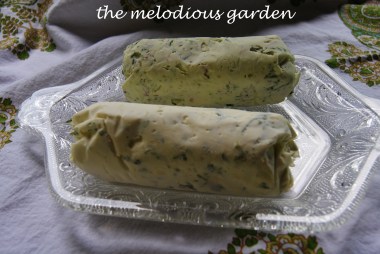
Set out butter to soften. (Use quality, unsalted butter.) One stick of butter will make one ‘log’ of herbal butter, so plan one stick of butter per blend.

Harvest and wash and pat dry your herbs and prepare any additions, such as garlic or shallots.

For an Italian blend, think about using basil, parsley and oregano.

For a Mexican blend, think about using cilantro and hot peppers of choice.

Herbs de Provence: savory, thyme, rosemary and oregano. Lavender may also be added, in small quantities. (It can be overpowering in some dishes.)

If you want to add to breakfast dishes, think about using chervil and chives.

buter

Add herbs (and peppers, garlic or shallots, if using) to a small food processor and whirl until chopped fine. Add softened butter and process until well blended.

Lay out a piece of wax paper and turn the butter mixture out onto the paper, trying to keep the butter into a small cylindrical shape. Use a spatula to scrape any butter into one central spot. Pull the wax tight around the butter mixture and roll until formed into cylindrical shape.

Store for one week in refrigerator or up to three months in the freezer.

herbal butter

To use, just cut off a section and add to your recipe.

Photo below shows herbal butter added to mushrooms, ready for grill in a cast iron skillet.

mushrooms with butter

Basil is a tender annual and will die at the slightest frost. Chervil and cilantro grow well in our North Texas winters but will bolt at the first sign of summer. Using these herbs in herbal butters is a great way to capture their flavor to enjoy throughout the year.

gardening, herbal fare, vintage

Lemon verbena

Long time garden friends will not be shocked when I say:

Lemon verbena still is – and will forever be – my favorite herb.

A delight to brush against on a hot summer night while out watering the garden, its scent is refreshingly lemony without being overpowering

It is easy to grow and mixes in easily in containers, cut flower gardens, vegetable patches -the list is endless. Lemon verbena will grow in full sun to partial shade. Just be sure to plant some near your kitchen door so you can step outside and cut some whenever you want a punch of lemon flavoring.  It tends to get leggy if not pinched back regularly, so prune back and use the leaves often.
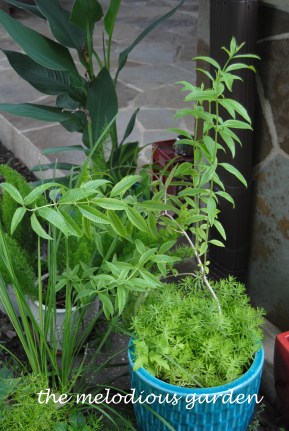
lemon verbena in pot

Though an annual in North Texas, it keeps its flavor when dried for winter use. If you can find lemon verbena in the nurseries now, it isn’t too late to plant and enjoy before our first freeze.

While I am still experimenting with ways to use this herb, I want to share two of my favorites. (And I will share my all-time favorite lemon verbena peach cobbler recipe soon!)
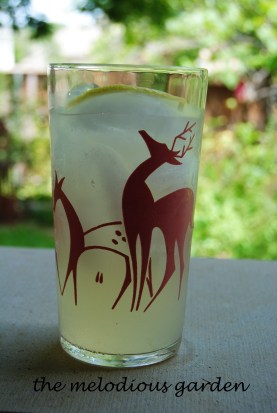
lemonade with lemon verbena

Lemon verbena lemonade (adapted from Fredericksburg Herb Farm’s recipe)

1 handful of lemon verbena leaves and lemon grass stalks

1 large can of frozen concentrate lemonade

2 large lemons, juiced

1 lemon, sliced for garnish

Wash and pat dry herbs, and place them in a large glass pitcher. Cover with the lemon juice. Stir together, pressing down on the herbs with a spoon. Add lemonade mix and 3 cups water, chill overnight. Garnish with lemon slices and additional herbs, if desired. (Mint may also be added to the lemonade. Alas. My son has mint sensitivities.)
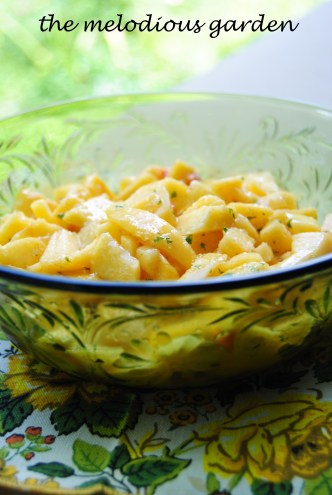
peaches with lemon verbena

Lemon verbena peach ice cream (adapted from Cuisinart’s strawberry ice cream recipe)

1 pint fresh peaches, peeled and diced

Lemon verbena leaves – about ¼ cup

3 tablespoons fresh squeezed lemon juice

1 cup sugar, divided use

1 cup whole milk

2 cups heavy cream

In a food processor, whirl together ½ cup sugar with the lemon verbena leaves until the leaves are chopped fine. (The scent will be amazing!) In a small bowl, combine the peaches with the lemon juice and the lemon verbena/sugar mixture. Stir gently and allow the peaches to macerate in the juices for a few hours.

In a medium bowl, whisk together the milk and remaining sugar until the sugar is dissolved. Add in the heavy cream and any accumulated juice from the peaches. Turn on your prepared Cuisinart ice cream freezer and pour in the dairy mixture. Let mix until thickened, about 25-30 minutes. Add in the peaches during the last five minutes of freezing. (*Make sure the Cuisinart container is very cold, at least 24 hours in the freezer.)


 

bibliophile, gardening, herbal fare, nature, vintage

the melodious garden, explained

An orchestra pulls in many elements to make a wondrous song. The conductor. The musicians. The instruments. The acoustics of the performance hall.

And so it goes with gardening. A gardener pulls together plants, the elements, the sights and sounds of nature, to make a harmonious garden… a melody.

And such, the melodious garden is born. I seek to pull together the sights, sounds and textures of life, to pass along my love of books and gardening, beautiful creations and flowers and nature.

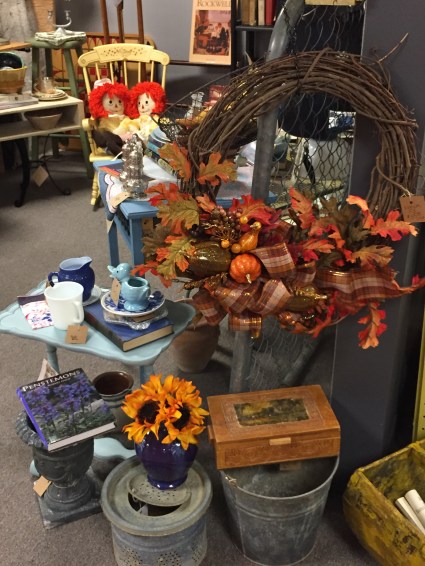
the melodious garden is coming together in pieces and parts. This blog. My garden boutique at The Grapevine Antique Market. (Booth U16, in “The Loft.”) Selling used books on Amazon. There are a few more garden related adventures on the horizon that will come together in time. My lovely sister-in-law, Kerri, is joining me on part of this journey, as she will be selling her floral creations in my garden boutique.

I have no idea where this path will lead, but life is always an adventure.