

Little Talk
Don’t you think it’s probable
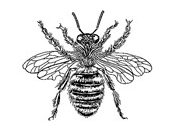
That beetles, bugs and bees
Talk about a lot of things—
You know, such things as these:

The kind of weather where they live
In jungles tall with grass
And earthquakes in their villages
Whenever people pass!
Of course, we’ll never know if bugs
Talk very much at all,
Because our ears are far too big
For talk that is so small. ~ Aileen Fisher

Pollinating: Many feet make light work.
A dear friend and fellow naturalist recently commented that seeing pollinators in the garden is akin to getting a gold star on a school project. How right she is.
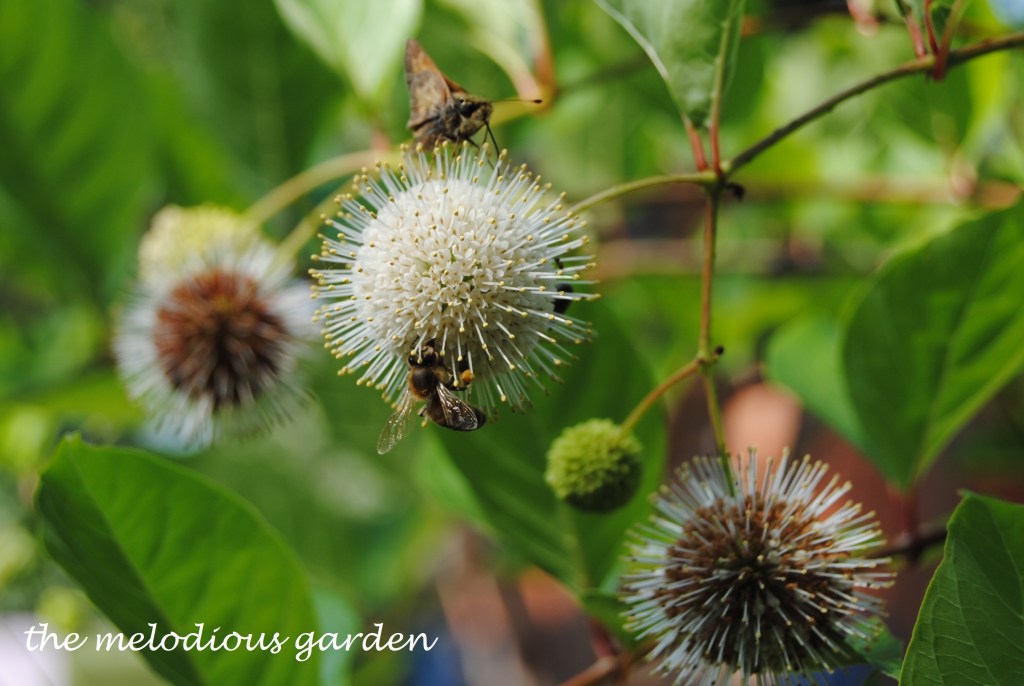
If it’s morning, chances are I am in the garden, still in pajamas, feet bare so I can feel the earth, camera in hand. It is during these still sleepy moments when I am most amazed at the number of gold stars my humble little garden has amassed already this year. “Build it and they will come” applies to pollinator gardens as much as to cheesy baseball movies. I do not know if my pollinators – yes, “my” pollinators, as I am quite protective of them – speak with one another or how or even when they first discovered my garden, but it is apparent that the welcome mat has been unfurled, for the bees and the moths have arrived and are all feasting together this early June morning.
While bees are the most widely known of the pollinators, wasps, flies, beetles, moths and butterflies also lend a helping foot.
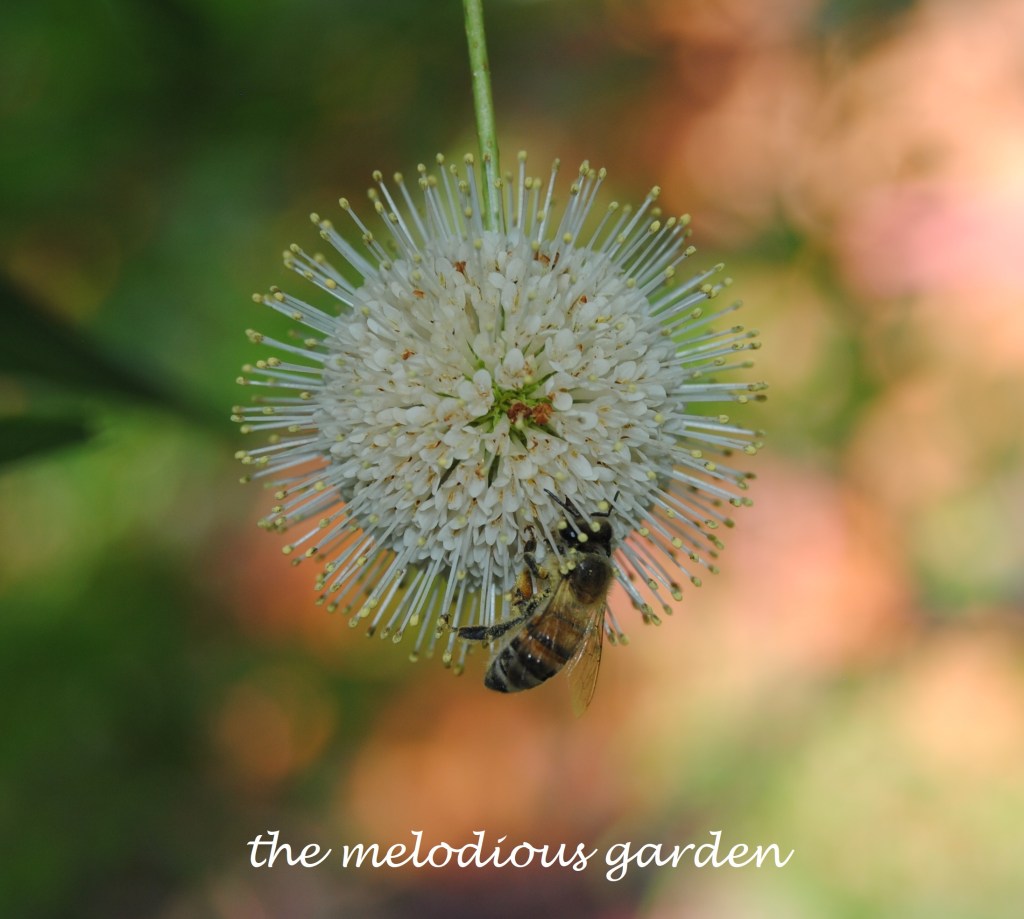
Pollinating: It’s a tough job but someone’s gotta do it.
More than 100 crops grown in the United States are dependent on insects for pollination, from the apple to the zucchini and every tomato, fig and cherry in between. By some estimates, 3/4 of our food supply requires pollination.

Pollinating: There’s a party goin’ on right here
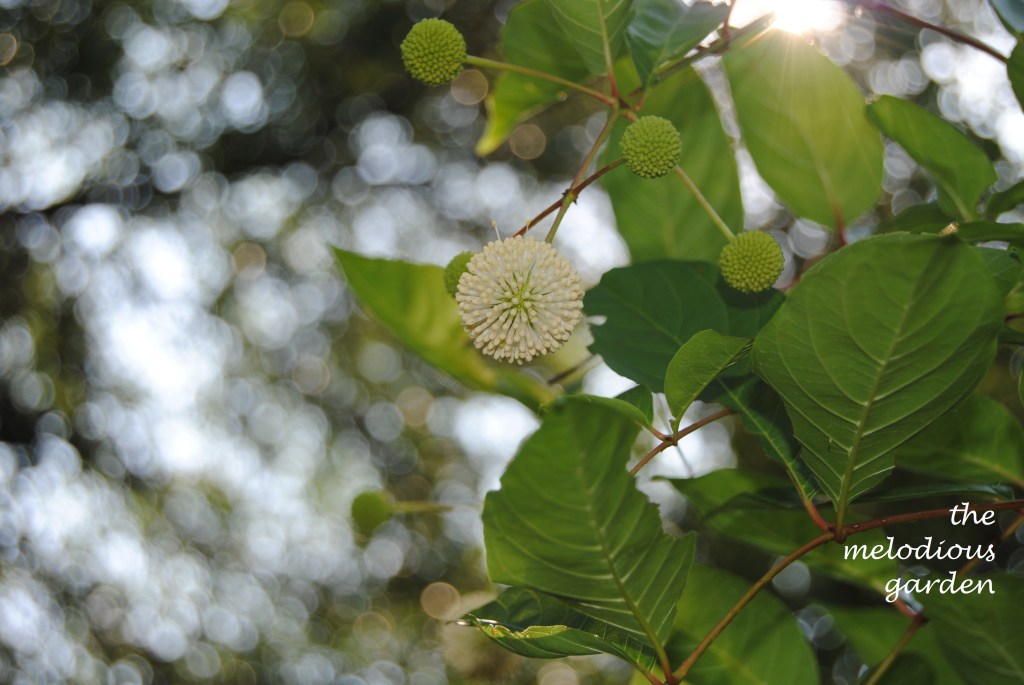
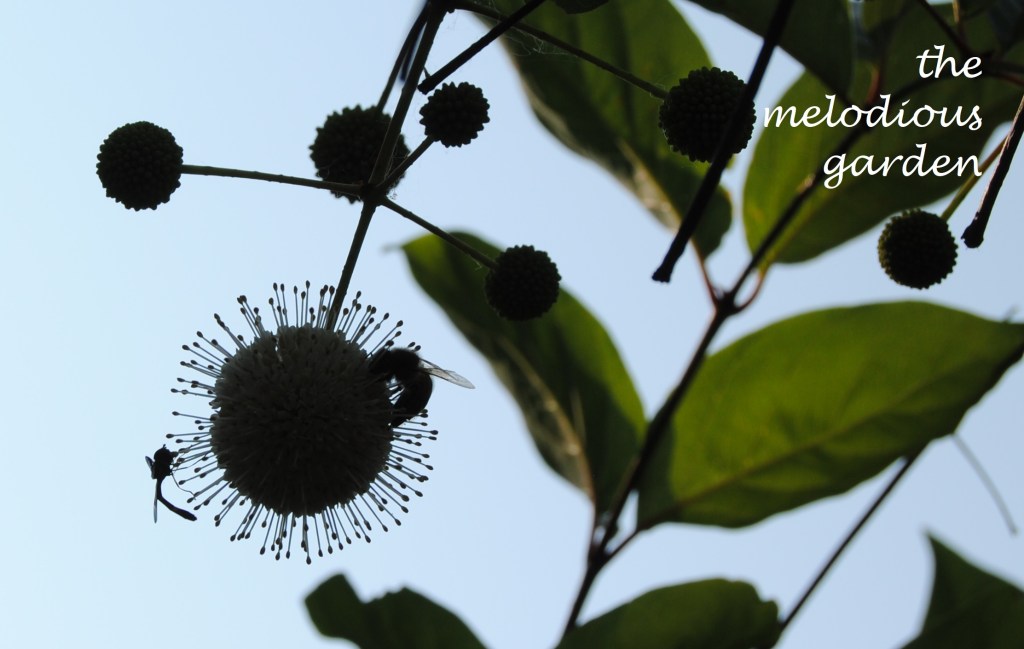
National Pollinator Week is fast approaching – June 18th through the 25th – but we should be celebrating our pollinators every day of the year… A celebration to last throughout the year! (Cue some Kool and The Gang…) I often sing the praises of our native buttonbush, as I absolutely adore its oddly spherical orbs of pollen. It draws in pollinators from far and wide. This morning, though, I truly felt like I had stumbled in to the insect discotheque and there was a party goin’ on right here.
The buttonbush’s flowers are perfectly round, allowing more space for pollinators to meet and greet and perhaps talk about the jungle out there. Bee balm – monarda fistulosa, the native wild growing variety – is another plant with ample blossoms with room to share. The newer, hybridized versions often have smaller blossoms and less pollen. Something has to give when hybridizing plants and it is often the very thing that wildlife needs for survival. Whenever possible, planting the unadulterated, unhybridized, wild as nature intended varieties is best. That isn’t to say that I don’t have hybridized plants in my garden, for I very much do. But I strive to have as many pure native species as possible, whenever possible.
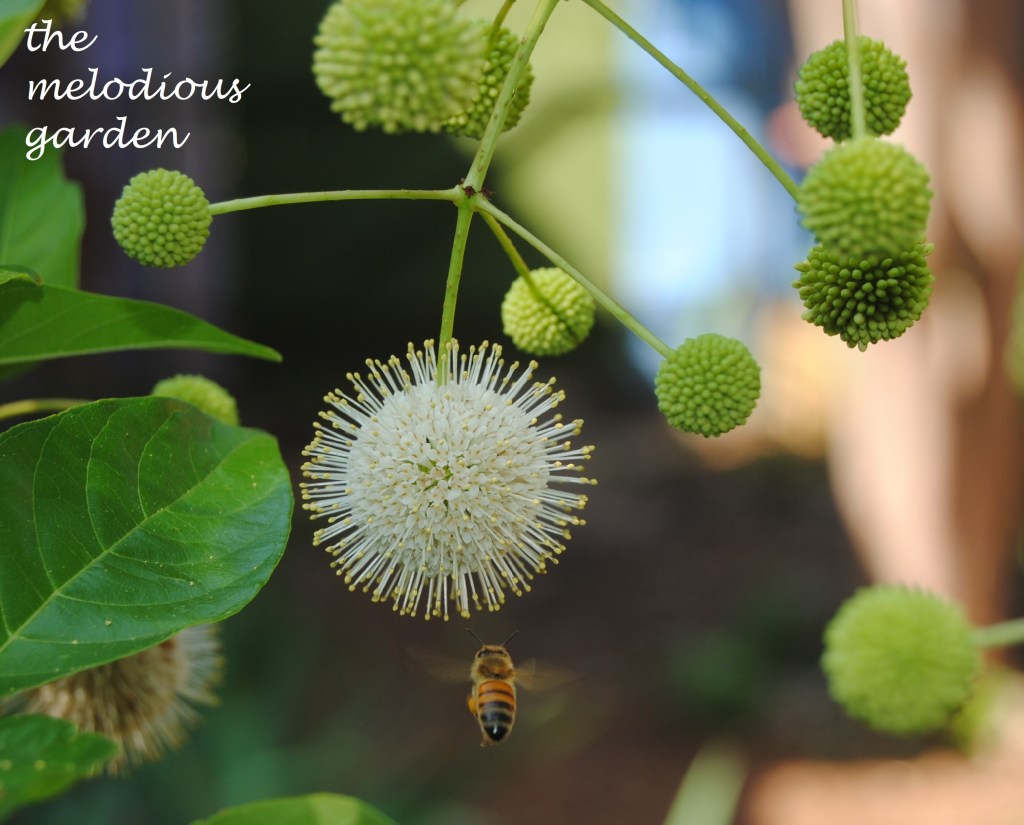
Pollen: It’s what’s for dinner. And breakfast. And Second Breakfast. And Lunch.
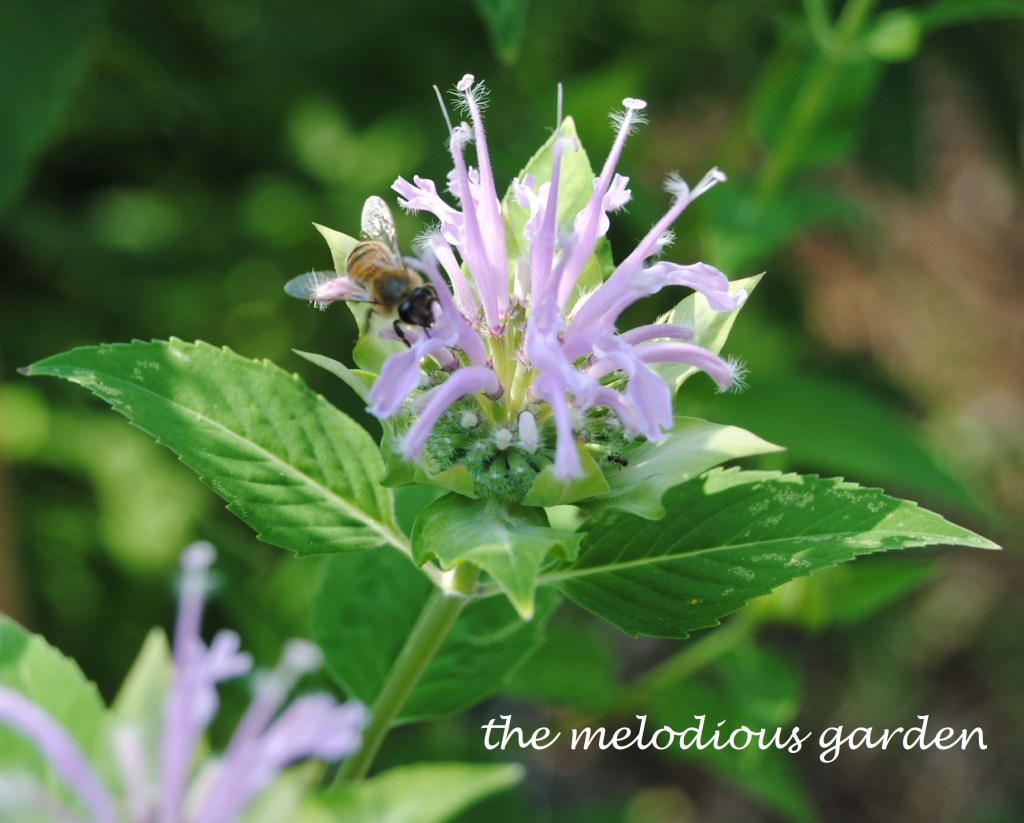
All photographs taken the morning of June 6, 2023, in Southern Denton County, Texas. Zone 8a. The round white flowers are buttonbush, a small growing tree or a large growing shrub, gardener’s choice of pruning. The soft lavender-pink blossoms are bee balm.



















 the melodious garden