gardening, nature

Happy Native Plant Week

I don’t know about you, but I never miss a chance to celebrate, especially when celebrating means buying a new plant. Or two. Or ten. Of course, celebrating Texas Native Plant Week requires gardeners (for me, at least) to visit a garden center. Or at the very least, it allows us to promote the many benefits of our wide variety of plants native to this state.

Rick Perry, our former governor, designated the third week of October as Texas Native Plant Week in 2009. Our state’s Arbor Day is also in the fall – the first Friday in November. Now many people may wonder why we celebrate plants in the fall in Texas when many states are already experiencing their first freezes of the season or will soon be buried under a blanket of snow. Fall is actually the best time to plant hardy perennials, trees and shrubs in southern climates, as our temperatures are cooler and rainfall more plentiful. Fall planting gives plants additional time to adjust before our hot and dry summers hit.

Adding native plants – ones that are better adapted to growing in our soils and climate – preserve our water resources, as they require less water once established. As our state’s population continues to grow, our manmade lakes will feel the strain that traditional landscapes require. Water restrictions will to be the norm for most of the state going forward. Native plants also don’t need special treatment to thrive, no fertilizers or special soil mixes. They also provide much needed native habitat and food for our wildlife and help conserve our wildlife populations.

So here we are – Happy Texas Native Plant Week! Have a slice of cake and plant a few natives in your landscape. Here are some of my favorite native plants, in no particular order.

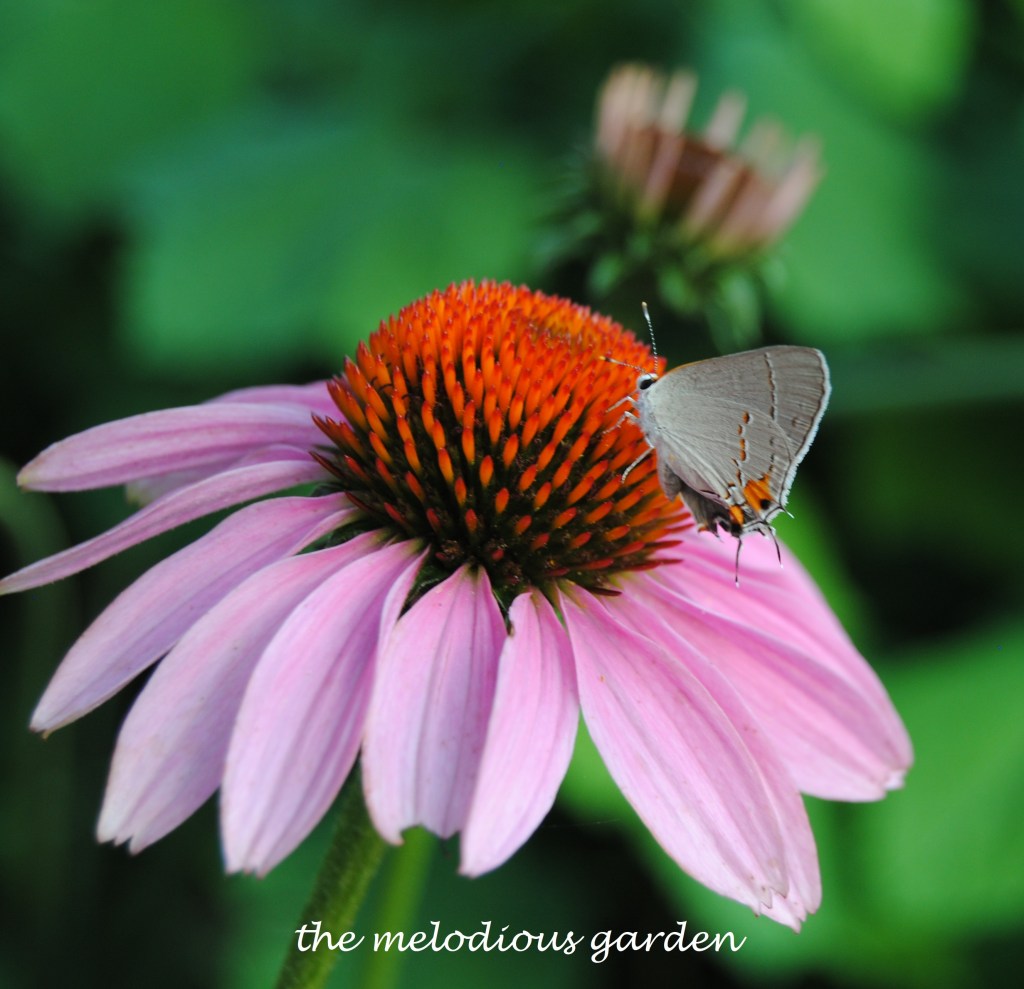
Echinacea, commonly known as coneflower: A wonderful reseeding perennial. A wide variety of insects will nectar on its blooms and songbirds will feast on the dried seeds through the winter. What seeds remain in late winter, I will cut back and scatter throughout the garden. (Coneflower is shown in photograph above.)
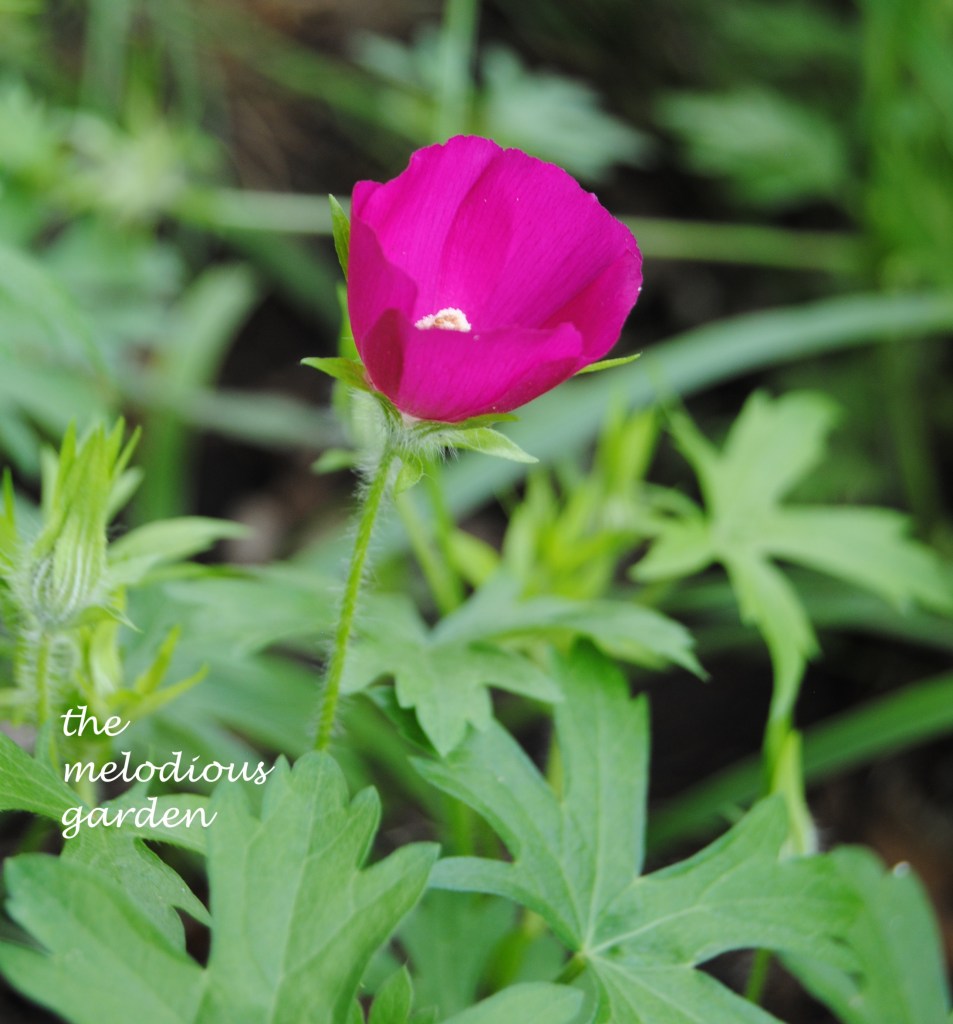
Callirhoe involucrata, commonly known as winecups: A rosette of greenery will emerge from its tuberous root in late winter and will scamper up and over and about the garden. It will start blooming in late spring in to early summer. It is dormant in the heat of summer and fall. (Winecup is shown in photograph above.)
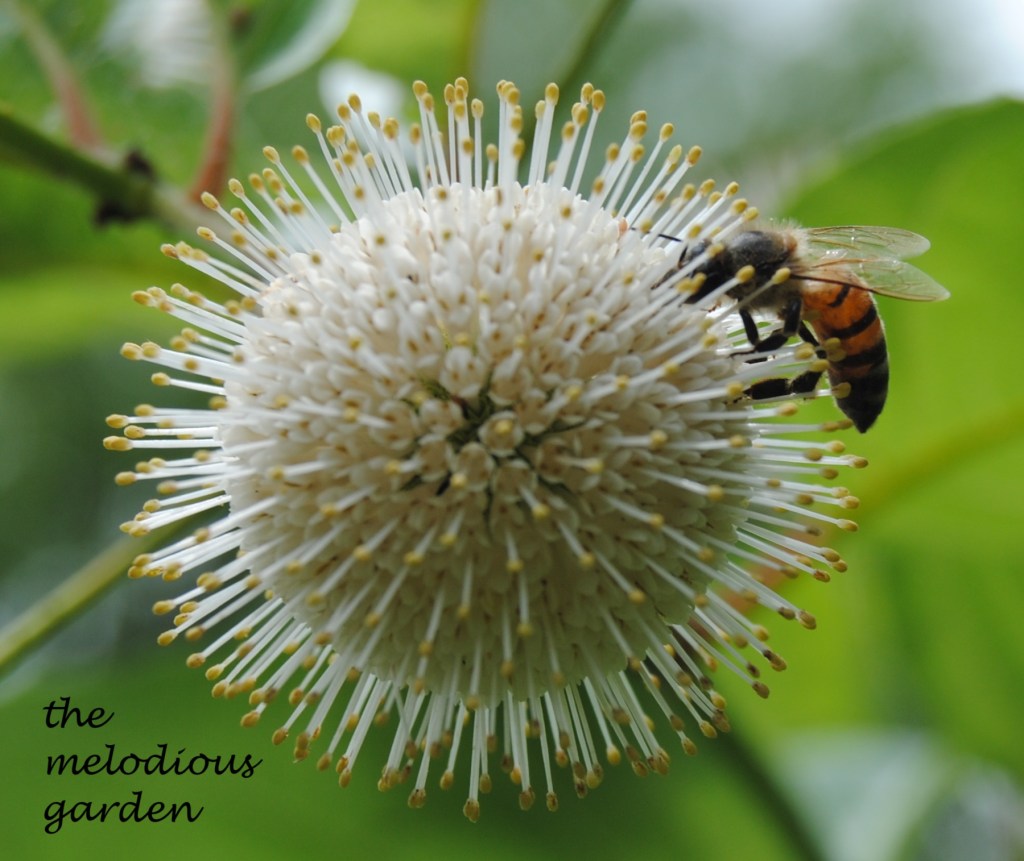
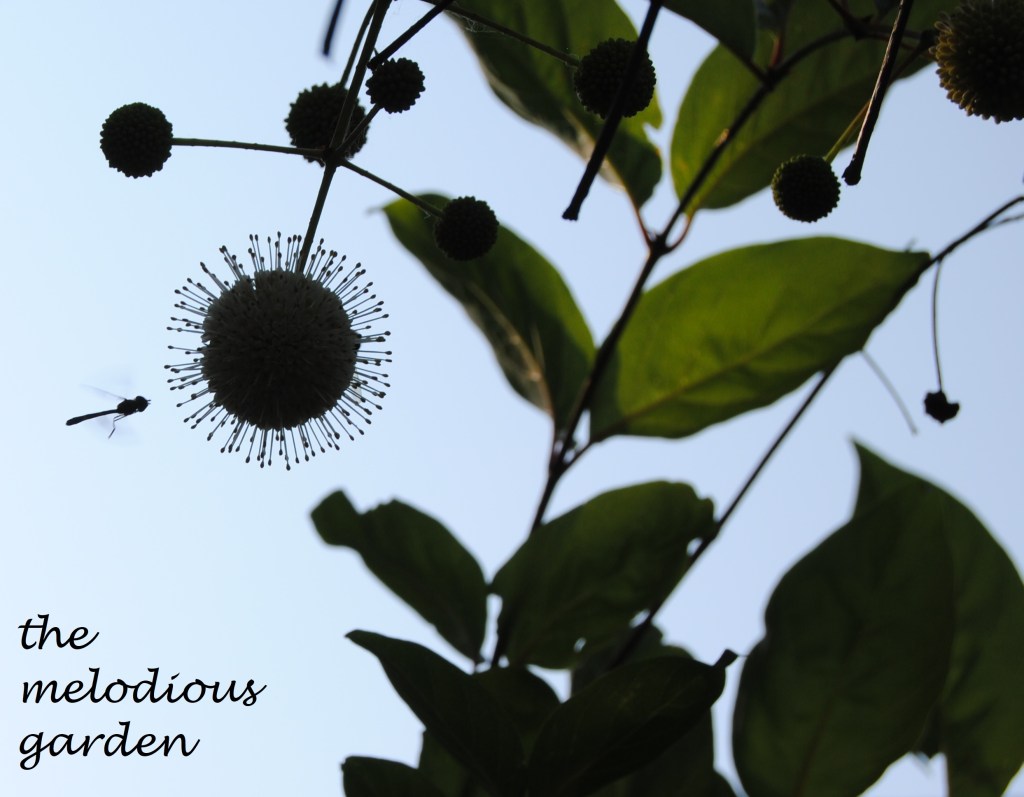
Cephalanthus occidentalis, commonly known as buttonbush: I would have a hard time selecting a favorite native plant, but buttonbush would likely be it. I love standing under the small tree when it is in bloom and watching just an outstanding variety of insects nectaring on the orb shaped flowers. Where else can you get a Dr. Seuss style bloom that is so well loved by the insect world? (Buttonbush is shown above.)
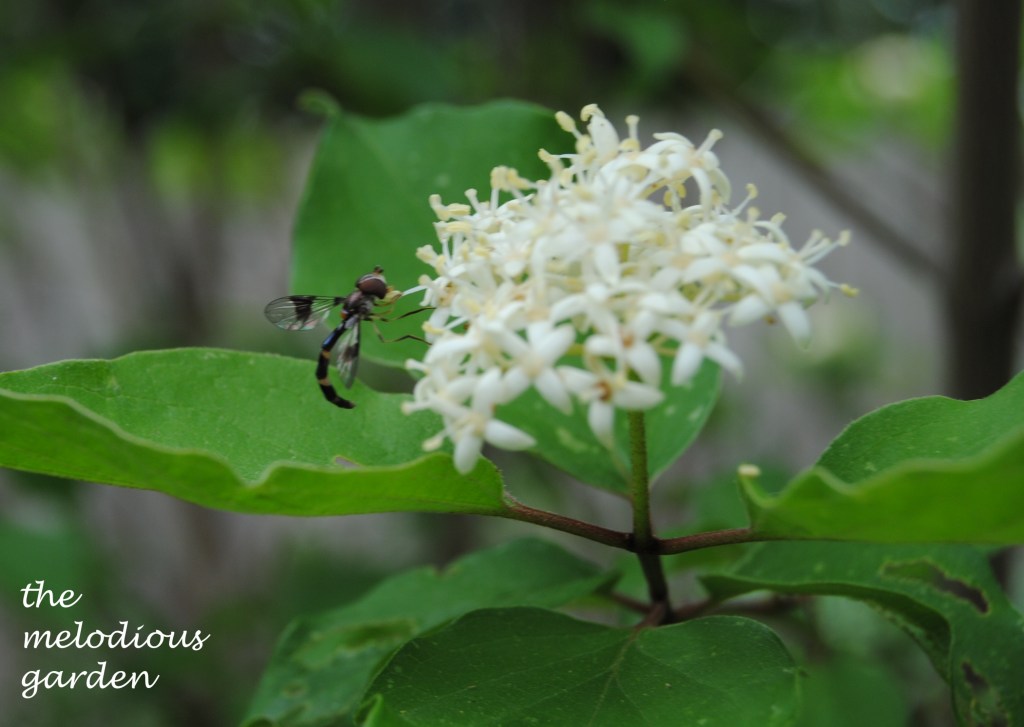
Cornus drummondii, commonly known as rough-leaf dogwood: For years – okay, two decades?! – I tried to eliminate this shrubby tree from my garden, as it wants to spread and take over. Alas. I have given in to its lovely blossoms and its willingness to thrive on neglect. Added bonuses: Insects love the blooms and songbirds love the berries. (Rough-leaf dogwood shown above.)

Twenty five years and another lifetime ago, I worked at a small organic garden center in the Dallas-Fort Worth area. We received a much-awaited shipment of native plants. Alas. As the driver opened the back of the box truck, with a cluster of garden center employees standing ready to Ooh and Aw over the plants, horror awaited. The heavy wooden shelf system had collapsed during transit and crushed everything underneath, including a dozen or so rough-leaf dogwood trees. Nearly everything in the truck lay broken and bruised and little was salvageable. That night after work, I took home a tiny broken twig of rough-leaf dogwood. Within two years, I was trying to eliminate it from my garden because it was like the Little Engine That Could. It thought it could grow. It thought it could grow. And grow it did! Now I absolutely love it and am glad I made peace with its determined growing habits.

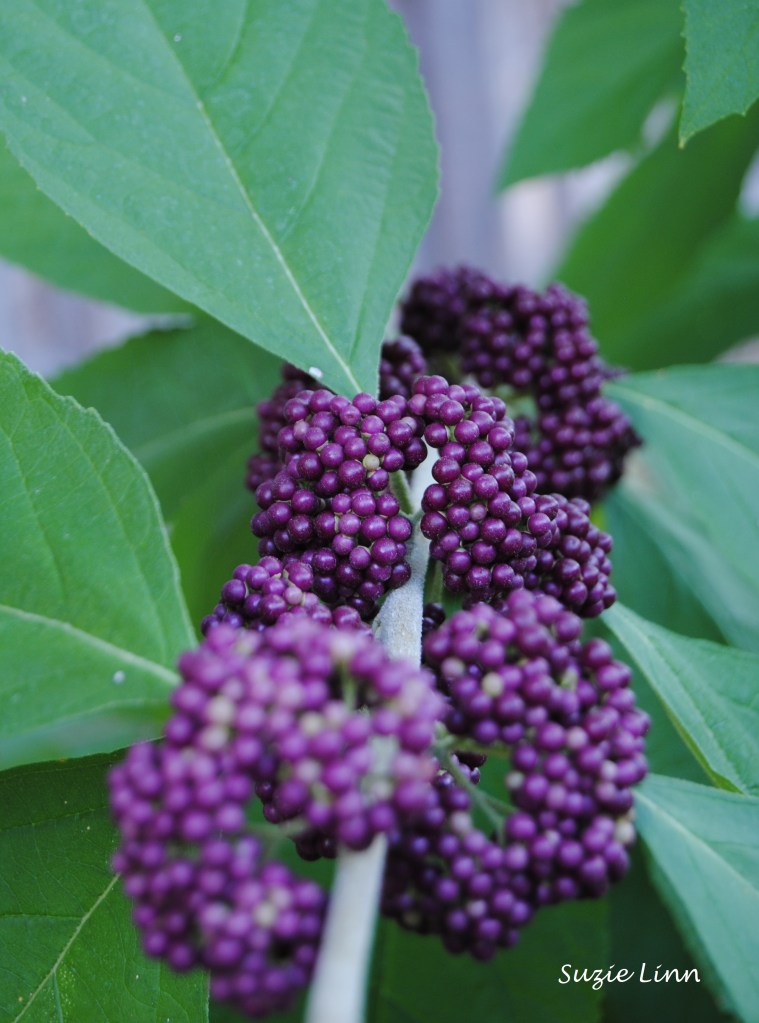
Callicarpa americana, commonly known as beautyberry: A shrub with clusters of flowers in the spring, followed by brilliant purple berries in the summer and fall. (Beautyberry shown in photographs above and below.)
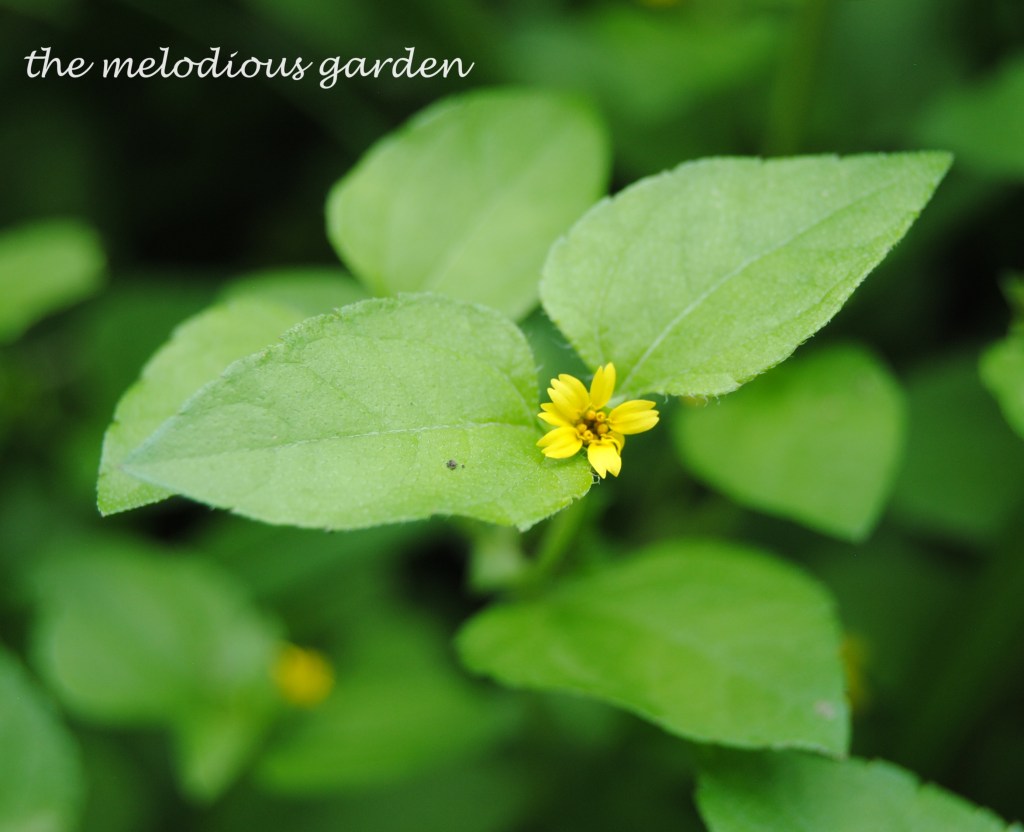
Calyptocarpus vialis, commonly known as horseherb: There is a native plant for every growing situation and need. This is a fabulous lowgrowing ground cover for shady areas. (Horseherb shown below.)

Monarda fistulosa, commonly known as beebalm: There are many beebalms on the market, but the majority of them are hybridized, non-native varieties. Those tend to succumb to powdery mildew in this area and their flowers lack the nectar of the native variety. Fistulosa is the native one; many garden centers offer it in their herb section. This beebalm is especially loved by butterflies as the nectar is deep within the flower. (Swallowtail butterfly shown on monarda fistulosa in photograph below.)

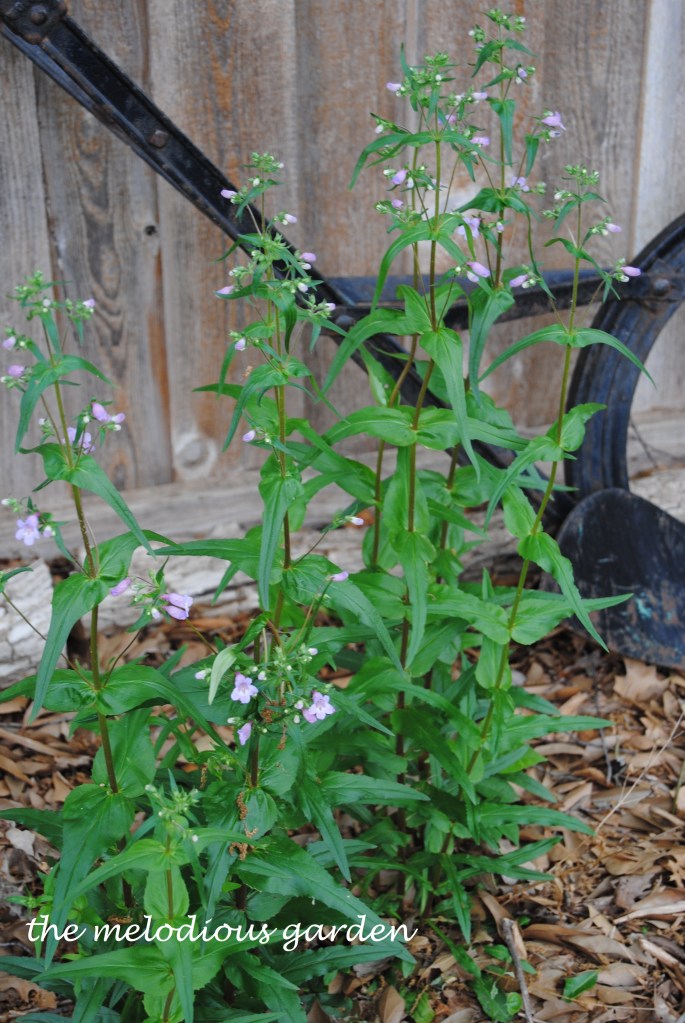
Penstemon tenuis: A lovely reseeding perennial. This penstemon blooms very early in the spring, at a critical time for insects. The plants are light and airy, with blooms held above the foliage. (Penstemon tenuis shown in bottom two photographs.)
There you have it – some of my favorite Texas native plants. No matter how you celebrate Texas Native Plant Week, I hope you get to enjoy some cake and visit one of the many wonderful garden centers we have throughout our state. We are so fortunate to have a number of locally owned garden centers that were early on the native plant bandwagon and really fought to bring native plants to the mainstream. Please seek them out and support them whenever possible!

All photographs taken in my own garden – zone 8b, southern Denton County, Texas.
gardening, nature

The monarchs are here!

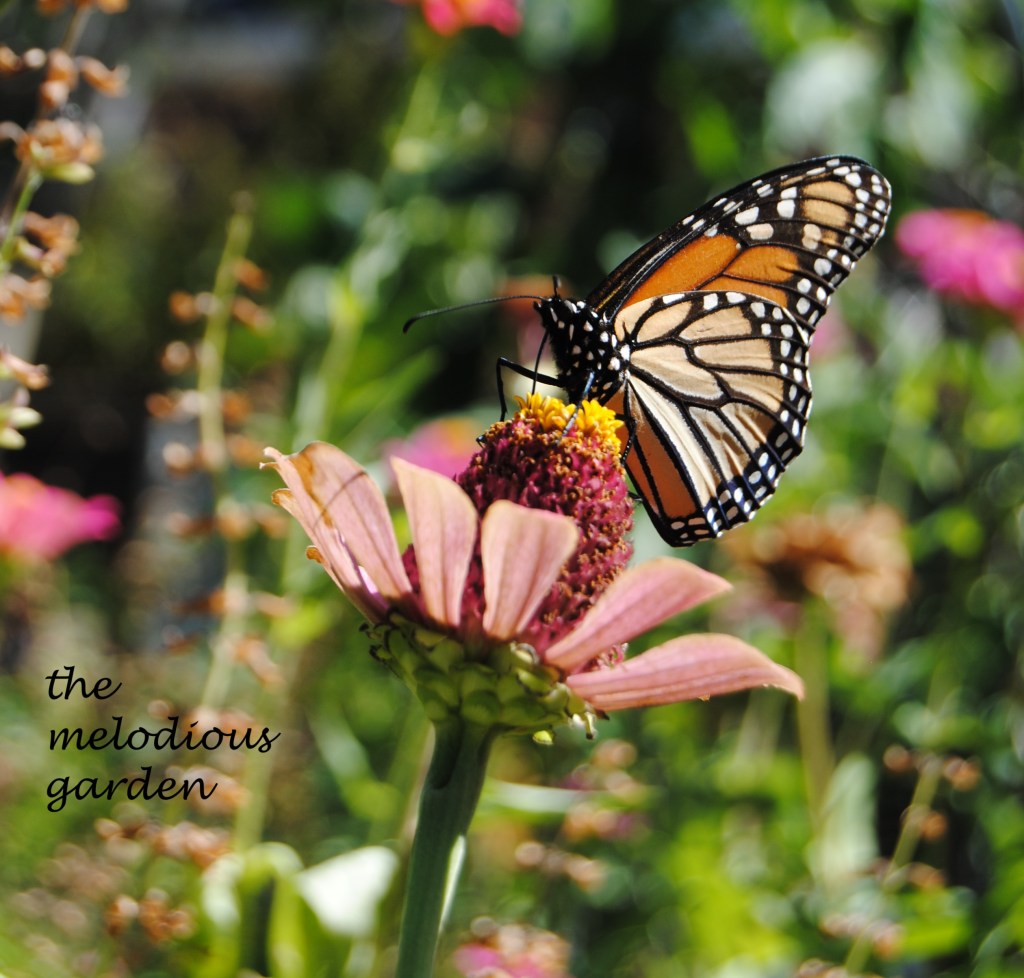
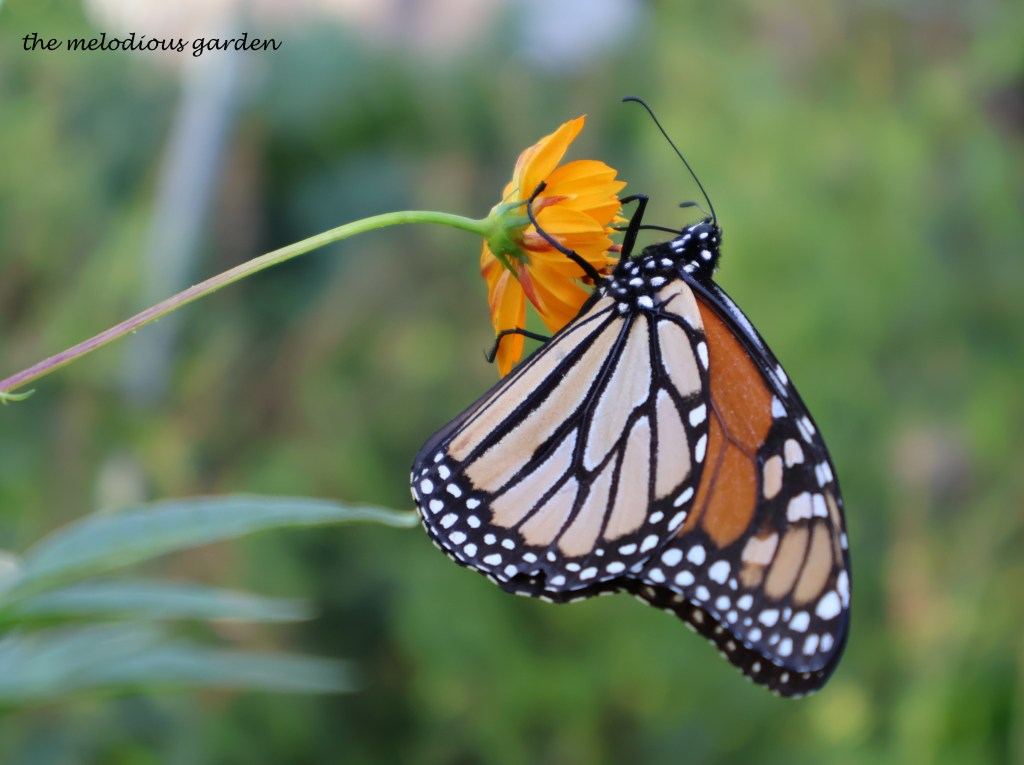
I felt a bit like a mashup of Paul Revere and the poet Richard Le Gallienne today, though instead shouting that the redcoats were coming nor penning about a poem about a brown bird singing in the apple tree and pulling me out to the garden, I was all abuzz that the monarch are here! In my garden! Not one. Plural. Monarchs. The monarchs are here!

My garden happens to sit perfectly along their migration path. Each spring, the monarchs emerge from their winter habitat in Mexico and travel north for the summer. Along the way, they search for milkweed – the monarch’s host plant – to lay their eggs on. But now it is autumn and they are migrating south for the winter and they are in search of fuel – in the form of nectar – for the long journey that still lies ahead of them. Fall blooming flowers are critical for their survival.

Insects may be our canary in the coalmine – the warning sign of environmental troubles ahead. They are the most vulnerable to shifts in climate and weather extremes. As more and more wild lands are destroyed and either conventionally farmed (ie: with chemicals) or paved over for subdivisions and highways, insects – including the beloved monarch butterflies – find less and less food in the wild. Restoring native habitat is critically important. But it doesn’t take an acre to help. Anyone with a bit of space, even those with balconies or a small patio can grow a container of fall blooming flowers for the monarchs to feed on as they are passing through.

My own garden right now looks a bit worse for the wear, as I have been out of commission for the past two months. Thankfully, I do favor plants that not only grew in my absence, some seemed to thrive on my neglect! As I was getting around to leave for physical therapy earlier today, I happened to notice one, two, four, six and more monarchs fluttering about my garden. I quickly grabbed my camera and out to the garden I went. I did manage to make it to therapy on time, though I was still picking dried leaves and seeds off my clothes and shaking them out of my hair as I walked in to my session. As soon as I was finished, it was back out to the garden, which is where The Husband found me some time later, still laughing and flitting about my garden, as I snapped dozens and dozens of photographs of the monarchs.

Following are a few easy steps we all can take to help the monarchs.

1.) No pesticides or insecticides. Even organic ones can and do kill beneficial insects. The majority of insects in the world are harmless. Plants that are grown specifically for butterflies, from their host plants to flowering nectar plants, must be organic.

2.) Water is crucial for butterflies. Provide a shallow basin with pebbles or shells for them to land on.

3.) Trees provide much needed nighttime roosting spots for butterflies, as well as shelter from stormy weather.

4.) Plant natives whenever possible! Many of the hybridized plants on the market have been bred for larger flowers, but they often lack the rich nectar that the native variety have. When shopping for plants, avoid ones that have a specific name in quotation marks or have a trademark emblem next to the name. Those are easily identified as hybridized varieties.

5.) Plant well adapted fall blooming plants that will survive our summer heat and drought. Some examples of plants that will bloom in North Texas during the fall monarch migration include: zinnias, cosmos, tithonia (Mexican sunflower), Mexican mint marigold and pentas. The two flowers the monarchs were nectaring on in my garden were cosmos and zinnia, both well adapted annuals.

6.) Plant a wide variety of plants so you always have something in bloom. A variety of flower colors and flower shapes will also attract a wider variety of butterflies, not just monarchs.

7.) Plant in groupings of three or more as a larger expanse of blooms will be more visible to butterflies flying overhead. This also allows butterflies to nectar from multiple plants without needing to fly off so soon in search of additional food.

Some fall blooming Texas natives include: Anise hyssop (Agastache foeniculum), Frostweed (Verbesina virginica), Gaillardia (Gaillardia aristata), Cardinal flower (Lobelia cardinalis), Ironweed (Vernonia baldwinii), Gregg’s mistflower (Conoclinium greggii), White boneset (Eupatorium serotinum), Zexmenia, Turk’s cap (Malvaviscus arboreus var. drummondii), Prairie verbena (Glandularia bipinnatifida), Gray vervain (Verbena canescens), Aromatic (Fall) aster (Symphyotrichum oblongifolium) and Coneflower (Echinacea purpurea).

Varieties of Rudbeckia/Black-eyed Susan: Rudbeckia hirta, Rudbeckia fulgida, Rudbeckia laciniata, Rudbeckia maxima, Rudbeckia texana, Rudbeckia triloba.

Varieties of Liatris/Gayfeather: Liatris acidota, Liatris aestivalis, Liatris aspera, Liatris elegans, Liatris lancifolia, Liatris punctata, Liatris tenuis.

Lantana urticoides is native to this area. There are numerous other lantana varieties      available —   a few are perennial, but many on the market are annuals in our area. Special note: The berries on Lantana urticoides are poisonous.

Fall blooming salvia varieties include: Pitcher sage (Salvia azurea), Scarlet sage (Salvia coccinea), Mealy sage (Salvia farinacea), Autumn sage (Salvia greggii).

Keep calm and garden on and consider planting a butterfly garden.

All photographs were taken October 22nd, 2025, in my southern Denton County, Texas, garden. I have organically gardened this piece of earth – a large suburban lot – for 30 years.

I meant to do my work today by Richard Le Gallienne

 I meant to do my work today—
   But a brown bird sang in the apple tree,
And a butterfly flitted across the field,
   And all the leaves were calling me. 

And the wind went sighing over the land,
   Tossing the grasses to and fro,
And a rainbow held out its shining hand—
   So what could I do but laugh and go?

gardening, nature

Spring flew swiftly by…

“Now is it as if Spring had never been,
And Winter but a memory and dream,
Here where the Summer stands, her lap of green
Heaped high with bloom and beam…” ~ Madison Julius Cawein

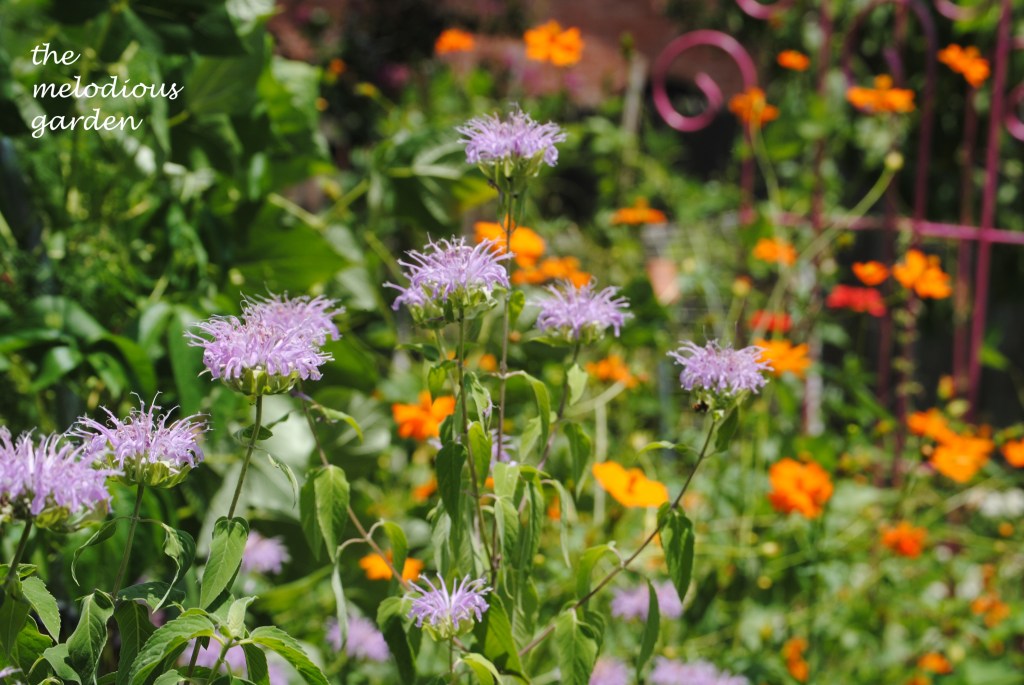
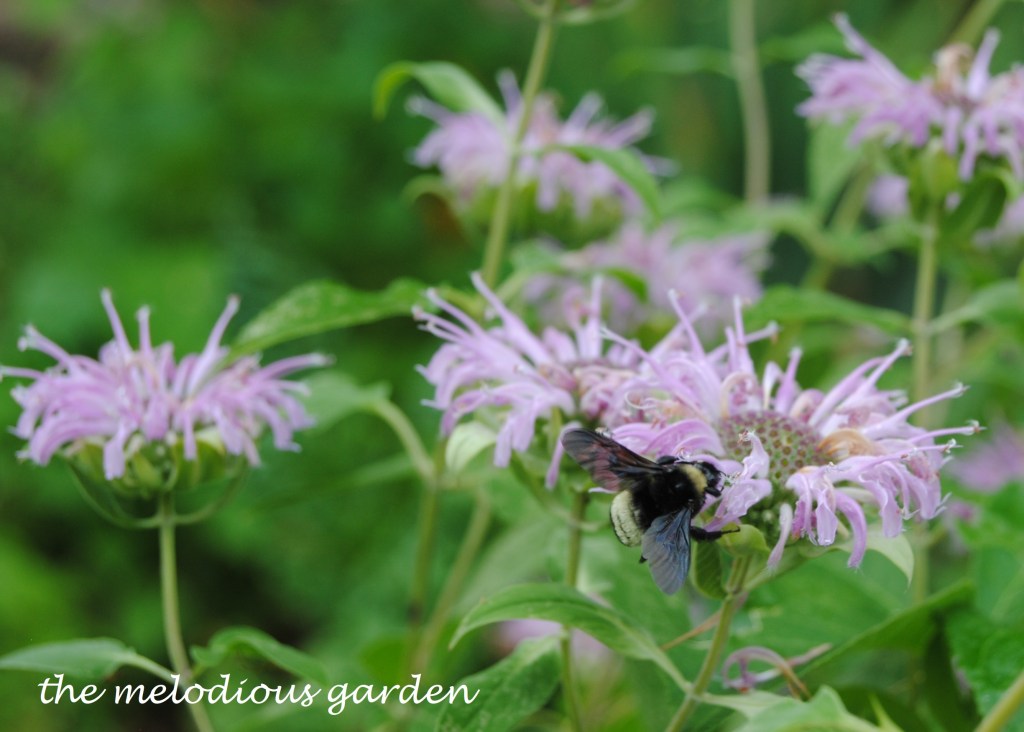
Spring came and went in a blink of an eye and somehow it is July already, the midpoint of the calendar year. The garden is indeed heaped high in bloom – daylilies, hibiscus and coneflowers, oh my! Such a riot of colors! Sometimes color combinations in my garden are planned. Other times, they are quite accidental, as is the case of the lavender Monarda fistulosa (bee balm) and the bright orange of Bright Lights Cosmos. (Shown below.)

Thomas Edison is reported to have only kept a personal diary for a few short days while on a vacation in 1885, but one of his few entries is perfectly poetic:

Arose early, went out to flirt with the flowers.

I feel much the same way each morning. What a delight it is to stroll the garden, camera in hand, and flirt with the day’s flowers and whisper a soft “Hello” to the bees buzzing about.

The hardy hibiscus, with their long pistil and ample supply of pollen, lures in bumblebees galore. (Shown above) Bumblebees are quite territorial and it is not uncommon to witness a rumble and a tumble as two fight over their garden space. “Possession is nine-tenths of the law” clearly does not apply to pollen and bumblebees!

“Nature is always beautiful to those who always look for beauty in her.” ~ The Harvest of a Quiet Eye: Leisure Thoughts for Busy Lives by John Richard Vernon

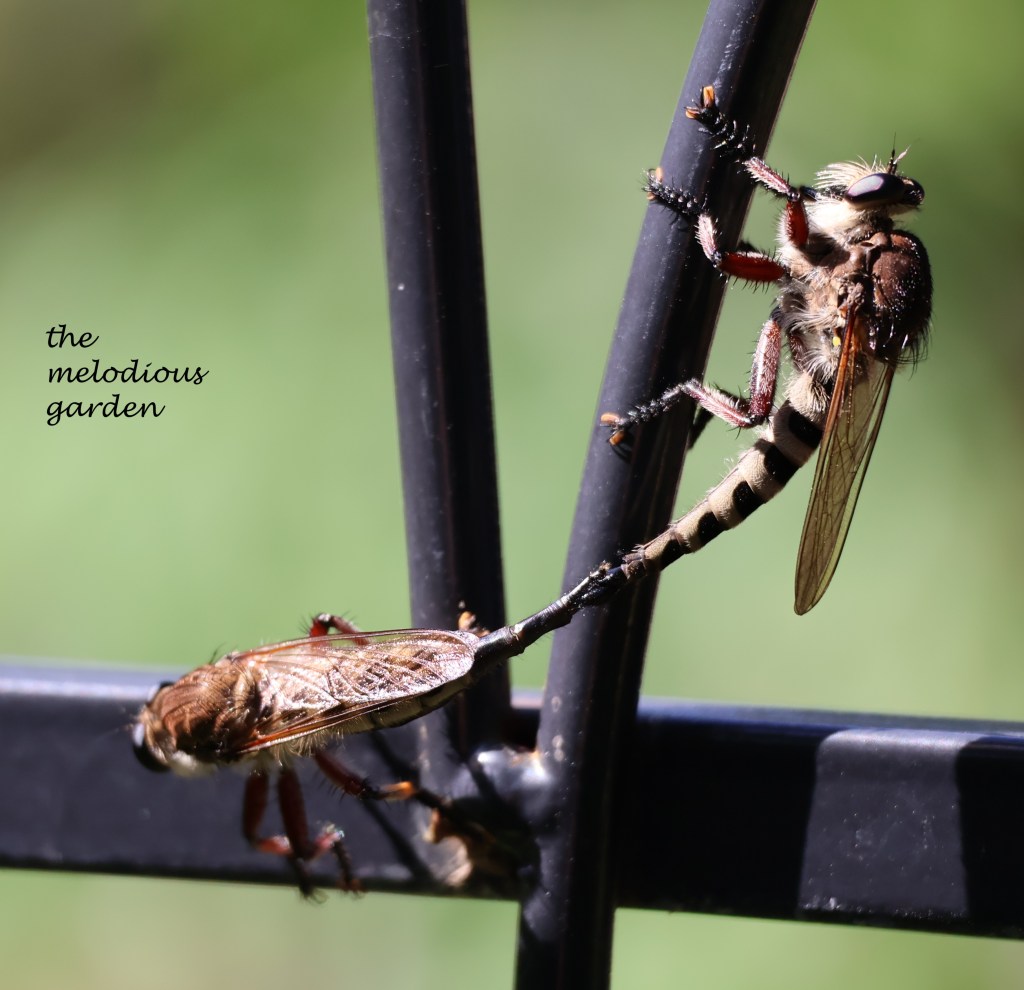
In the bug world, there are beneficial insects and harmful insects and those straddling the middle as either sometimes good/sometimes bad or neither overly good nor overly bad. There are beautiful insects, such as the monarch butterfly or the luna moth. And then there are ugly or creepy insects, such as, well… I don’t want to disturb my readers so we will leave ugly and creepy to your imagination. At first glance, robber flies (shown below) may not be as beautiful as, say, a lady beetle, but they are still… well, Beauty can be in the eye of the beholder, amiright? There is a primitive, utilitarian beauty to the humble robber fly. Large eyes. Long legs. Both beneficial in their quest for prey. Which brings me to their other status in the bug world. Robber flies are beneficial because they kill harmful insects, such as grasshoppers and leafhoppers. Alas. They also eat butterflies and dragonflies, which puts them smack in that middle ground. Beneficial? Yes. Sometimes. …If only we could direct them as to what they should be preying on…

A number of lizards call my gardens home, for which I am eternally grateful. However, they, too, are a species that have both beneficial and sad dining habits. The anole, shown below, had just eaten a grasshopper when I snapped this photograph. Knowing Texas summers and baseball bat size grasshoppers go hand in hand, I am appreciative of this fella’s hard work and dedication to taking one down. I will chose to overlook his ability to also take down dragonflies.

As a child, I memorized Richard Le Gallienne’s poem, “I meant to do my work today.” The words still bubble up in my soul whenever I feel the pull of nature. “I meant to do my work today – but a brown bird sang in the apple tree and a butterfly flitted across the field…”

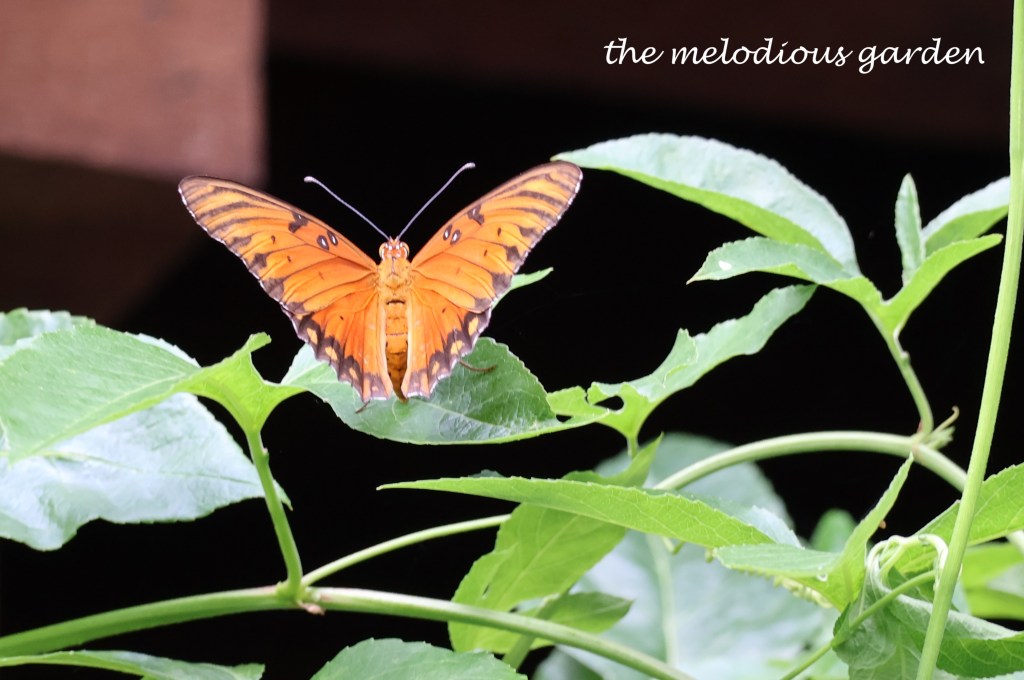
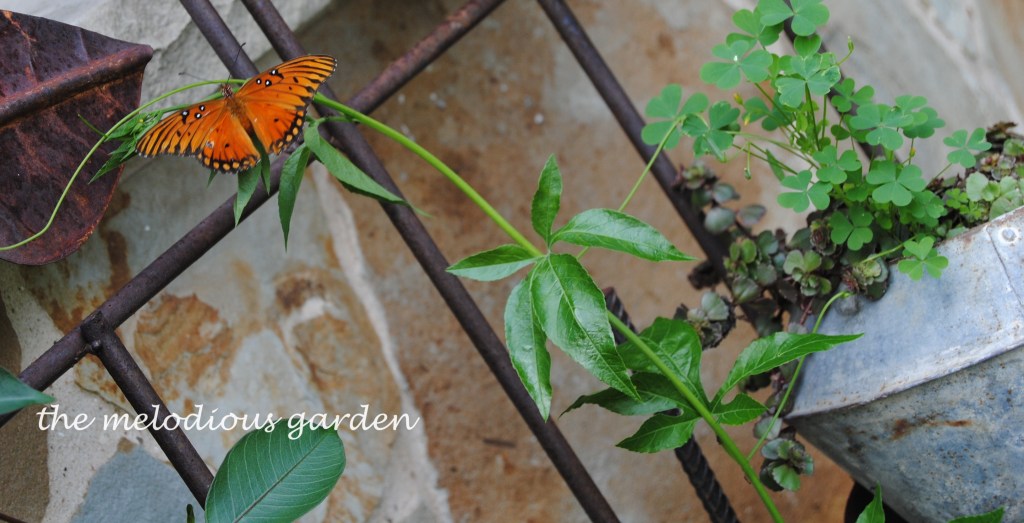
This morning, I found myself with five extra minutes before I needed to leave for a class at the gym, so I grabbed my camera and headed to the back gardens. Not one, but four butterflies flitted across my garden! Gulf fritillary butterflies (shown above and below) had found my garden and were busy dancing about, depositing their eggs on my passionvine – Mother Nature’s way of giving my garden an A+, gold star and seal of approval all in one wonderful moment. As the poem goes, “What else could I do but laugh and go?” And what fun it was to photograph them!

“Here rest your wings when they are weary;
Here lodge as in a sanctuary!
Come often to us, fear no wrong;
Sit near us on the bough!
We’ll talk of sunshine and of song,
And summer days, when we were young…”
~ To a Butterfly by William Wordsworth

The year has gone by much too fast, as it always has a way of doing the older we get. But here’s to slowing down and enjoying the garden and spending time in nature whenever we can.

“Spring flew swiftly by, and summer came… The earth had donned her mantle of brightest green, and shed her richest perfumes abroad. It was the prime and vigour of the year, and all things were glad and flourishing.” ~ Oliver Twist by Charles Dickens

(All photographs taken in my Southern Denton County, Texas, garden between mid-June and July 3rd.)

gardening, nature

A (garden) revolution going on

What is more thrilling than spending five hours with like minded gardeners and naturalists on a cold January day? Seeing a room full of people that have embraced native Texas plants, feeling their enthusiasm about restoring our prairie ecosystem and knowing that so many have joined the revolution and are planting native plants.

“Just dig it: Practical ideas for adding native plants to your yard” was hosted by Friends of LLELA – Lake Lewisville Environmental Learning Area – earlier this month, and featured four wonderful speakers each discussing different aspects of gardening with native prairie plants.

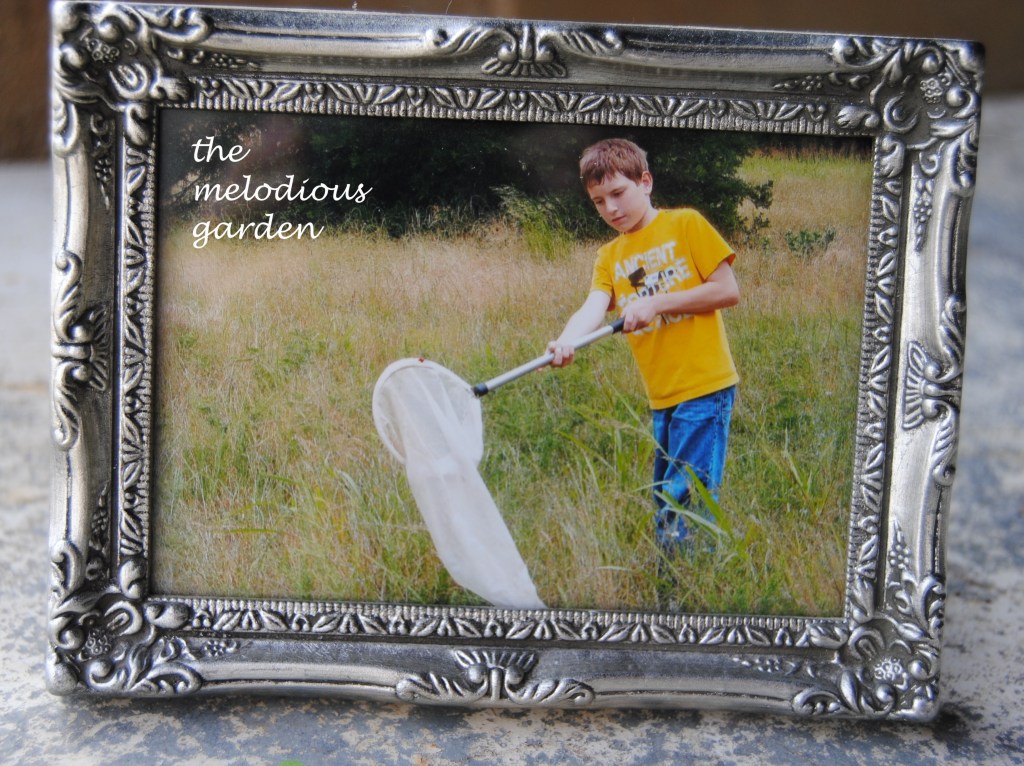
Now before I go on, I simply must share a photograph of my son, taken during a nature class at LLELA, many moons ago. My son is now a college graduate and, thankfully, still loves the outdoors. I have faith that this generation of kids will take the baton and carry on protecting and restoring important ecosystems around the globe.

Before we bought our home nearly thirty years ago, I knew “how” I wanted to garden – passionately, organically, naturally. My garden has evolved a lot over the decades, but those three things have never changed. I have always loved our native plants and – once upon a time – worked at an organic garden center that was one of the few (at that time) in the Dallas-Fort Worth metroplex that offered native plants. Yes, I once had over 150 antique and heirloom roses. But I also incorporated a variety of native plants. Yes, my garden now grows fruits and vegetables. But I still love native plants and try to squeeze in as many as possible. I am not a purist. I don’t personally believe that the average home garden has to be 100 percent native plants to be beneficial. I believe that every bit of habitat we can provide for wildlife is important. I believe that one can have entirely native prairie plants or a mix of native and non-native plants. Every action to preserve or restore habitat is important, no matter how small.

My garden is located in Denton county, just north of Dallas and Fort Worth, in the Cross Timbers and Prairies Ecological Region. This area was originally a combination of prairie and woodland, both of which provided a lush habitat for a large number of mammals and birds. Alas. As the song goes, “They paved paradise and put in a parking lot.” They also paved paradise and put in a major north-south interstate, I-35. One can drive from the southern border of Texas, past my garden just north of Dallas-Fort Worth, and all the way north to Minnesota. This central section of America is a major flight path for many migratory birds, as well as the now threated monarch butterfly. A road trip game of I Spy will net you a lot of billboards, fast food restaurants and acres of cultivated farmland, but very little wildlife habitat, either preserved or restored. This midsection of America is crucial for the survival of many birds and butterflies, which is why it is so important to plant native plants whenever possible – whether it be in the home garden, school garden or local nature center.

What can the average suburban or urban landowner do to counter all of that pavement and help restore lost habitat? Quite a bit, actually, just by reducing our lawn size and putting in a few native plants that provides much needed food and shelter. Or go a step or two further and put in a pocket prairie, a native prairie garden on less than an acre. This can be a small residential front yard or an entire backyard, whatever fits your style. In the ever-expanding sea of concrete throughout the central portion of America, every bit is important.

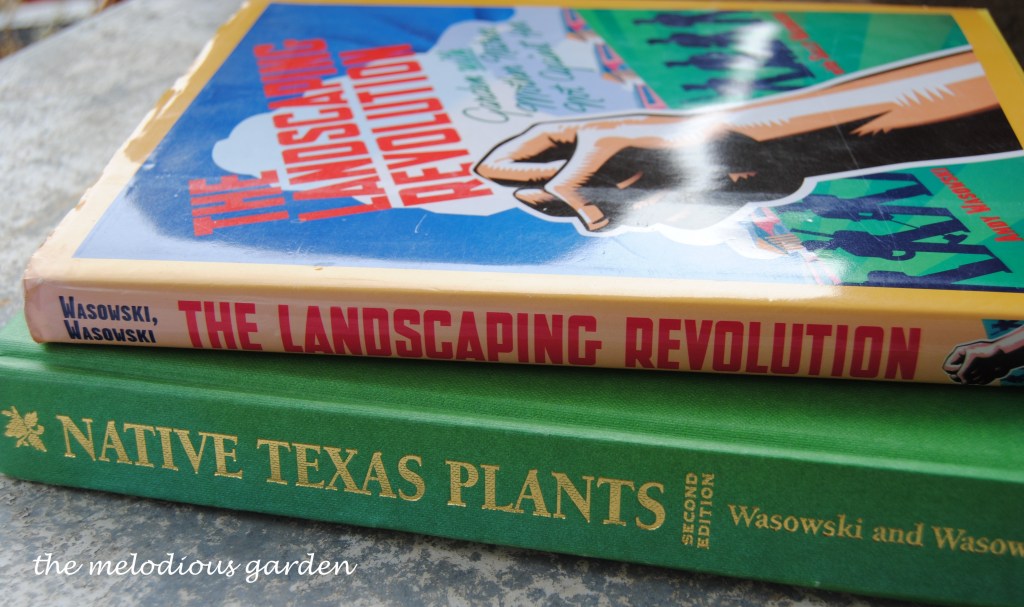
Andy and Sally Wasowski’s books on native plants and naturalistic gardening (shown above) were some of the first books that I bought after we purchased our home. They have been my inspiration and guide, both are books I go back to time and again. Some of the beautiful flowers I first learned about from Native Texas Plants are shown and briefly described below.

Penstemon tenuis, aka Gulf coast penstemon, shown below, is a great example of how fluid and ever changing native garden are. I no longer know where this was originally planted in my garden as it has popped up randomly here and there for many, many years. It has never been an aggressive reseeder, though any unwanted plants can easily be dug up and shared with fellow gardeners. This penstemon is extremely easy to grow and the lovely soft lavender color goes with many color schemes, if that is something that interests you. It is always covered with pollinators. This penstemon blooms early in the spring.

Echinacea, shown below, is another plant that moves about my garden and is always covered in pollinators. I leave the old flowerheads on the stalks over winter as songbirds love to feast on the seeds. In late winter I scatter any seeds that remain wherever I would like more to pop up.

Sisyrinchium, aka blue-eyed grass, shown below, is perhaps one of my favorite native plants. I love how dainty and crystal blue the flowers are. This is another early spring bloomer.

Malvaviscus drummondii, aka turk’s cap, shown below, is a highly adaptable plant, growing well in sun or shade and in wet or dry conditions. This is a favorite of hummingbirds and butterflies. It blooms through the heat of summer and up to the first hard freeze.

Callirhoe involucrata, aka winecup, shown below, rambles and scrambles about the garden. It grows from a tuber to form a rosette that then extends every which way. It blooms very early in the spring in my garden. Every few years, I dig out the older overgrown tubers and toss them in the compost pile, allowing the smaller tubers to grow and carry on.

Monarda fistulosa (shown below) is the native, wild growing bee balm. It is harder to find (often sold alongside herbs) but much more hardy than the newer hybridized variations.

A few years ago, I had both the wild bee balm and a hybridized variety growing side by side. The wild bee balm was covered in pollinators while the hybridized one was void of any insects. This was a great chance to witness why the wild varieties are favored by wildlife, as many hybridized plants are bred for color or size and often lack the amount of pollen and nectar that wild plants contain.

I had to save the best for last. My very favorite native plant of all time – Cephalanthus occidentalis, aka buttonbush, shown below. Yes, it does grow naturally along creeks and rivers, but it will grow nicely in a residential yard. Buttonbush can be pruned up to form a small scale tree, much as the non-native crepe myrtle. Buttonbush, however, has amazing, out of this world, blooming orbs!

Buttonbush, shown above and below, is always covered in pollinators when in bloom.

All photographs were taken in my suburban North Texas garden.

gardening, nature

The first snow of the season

“I’ll know I am growing old when I no longer thrill to the first snow of the season.” ~ Lady Bird Johnson

North Texas had their first – and maybe only – snow of the season yesterday, January 9th. Mother Nature’s gift to me on my 57th birthday – inches and inches of white fluffy snow. The forecast called for the snow to end overnight but, at noon, it was still softly falling.

“He brewed his tea in a blue china pot, poured it into a chipped white cup with forget-me-nots on the handle, and dropped in a dollop of honey and of cream. He sat by the window, cup in hand, watching the first snow fall. ‘I am,’ he sighed deeply, ‘contented as a clam. I am a most happy man.'” ~ Ethel Pochocki, from Wildflower Tea

A Texas snow day is the perfect time to slow down, brew a pot of tea, pull out the seed catalogs and dream of warmer days ahead.

“Anyone who thinks that gardening begins in the spring and ends in the fall is missing the best part of the whole year, for gardening begins in January with the dream.” ~ Josephine Neuse

A garden is never “finished” for it is ever evolving, changing over the seasons, as either the gardener or Mother Nature intervenes. I continue on my wellness journey with dreams and plans to grow even more of our food this year, as the work and the harvests nourish and strengthen both my body and soul. I am still enamored with the concept of food forests, mimicking Mother Nature in the suburban fruit and veg garden, but changes will be made this year for I have realized that I tend to let the garden grow feral by late in the summer. I don’t have the heart to pull out the aggressive reseeders. Passionvines that scrambles and smothers everything in its path yet feeds the caterpillars of the gulf fritillary butterfly. An unknown variety of salvia that draws bees from far and wide. Garlic chives that attract and feed late summer butterflies. My solution is to strategically add raised beds, dedicated areas just for vegetables – no aggressive reseeders allowed zones. Will this work? I don’t know. But I am hopeful that this also will give me more areas to grow root crops that struggle in our clay soils. I have amended our soil with organic matter constantly over the nearly 30 years at this property but it simply remains too heavy in wide sections of the property. If nothing else, it further proves that, yes, a crazy plant lady lives here!

“I suppose it all started with the snow. You see, it was a very special kind of snow — a snow to make the happy happier and the giddy even giddier… for it was the first snow of the season. And as any child can tell you, there’s a certain magic to the very first snow.” ~ Romeo Muller’s Frosty the Snowman

“I wonder if the snow loves the trees and fields, that it kisses them so gently? And then it covers them up snug, you know, with a white quilt; and perhaps it says, ‘Go to sleep, darlings, till the summer comes again.'” ~ Lewis Carroll’s Through the Looking-Glass And What Alice Found There

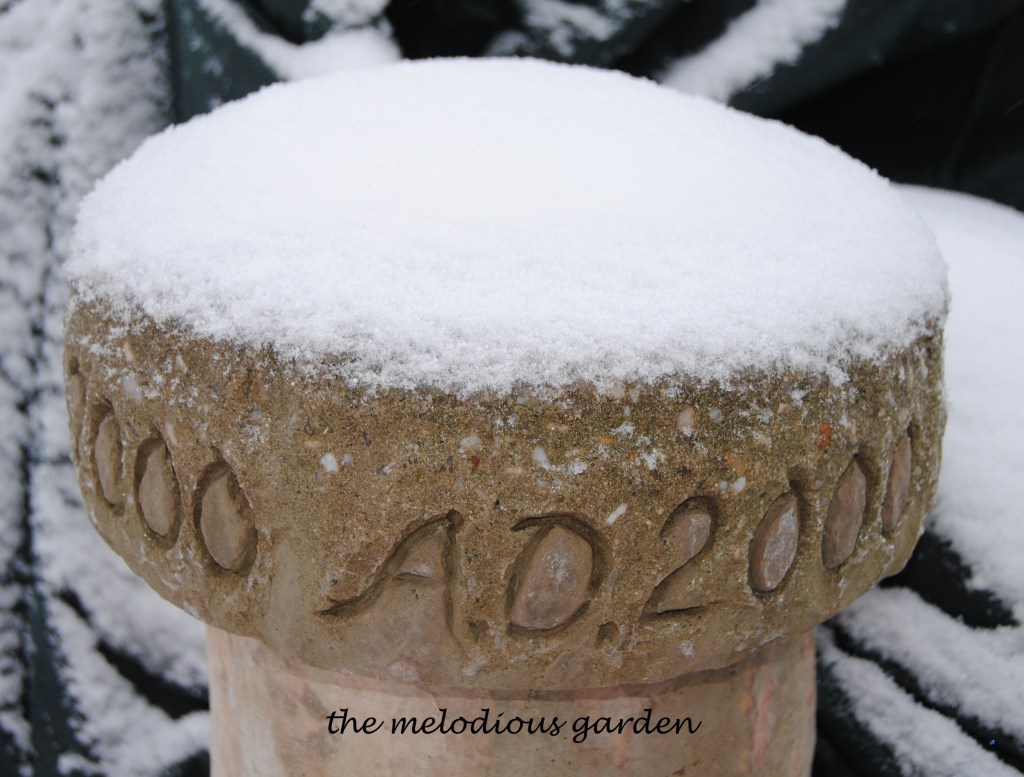
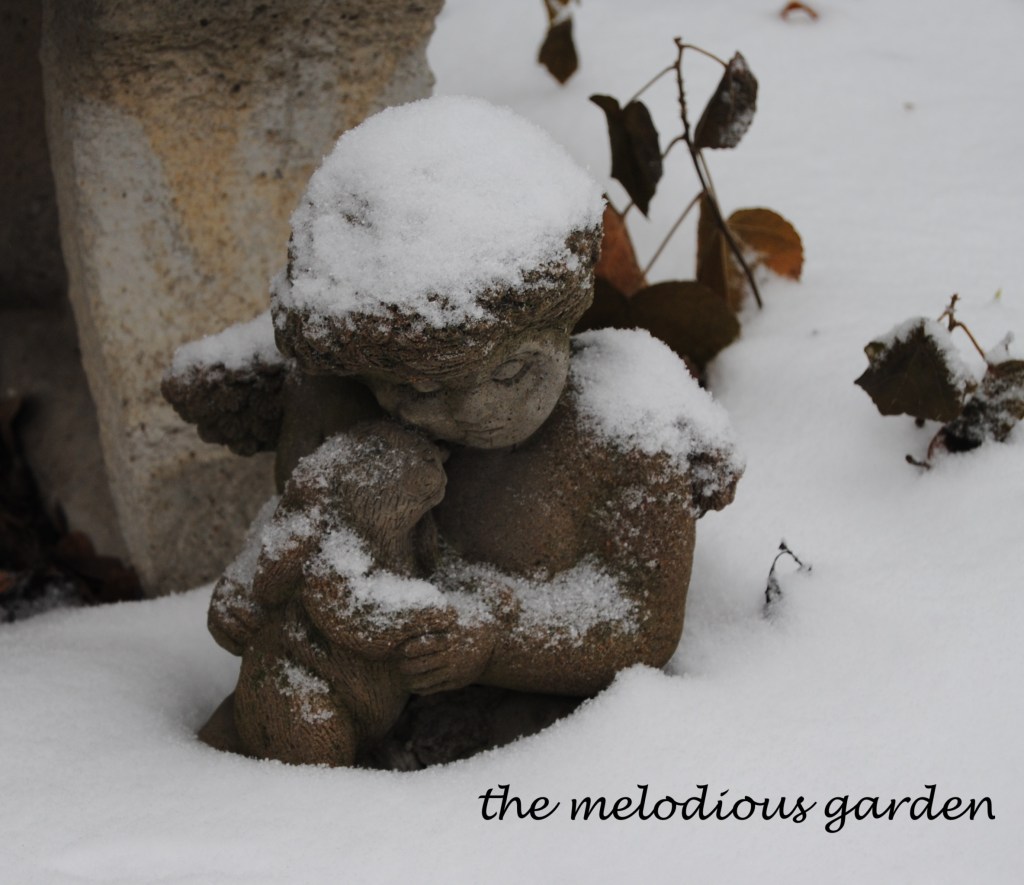
I have collected Campania statuary for more than a quarter of a century now, which is an odd thing to say. A quarter of a century. Y2K. Wasn’t that just yesterday?

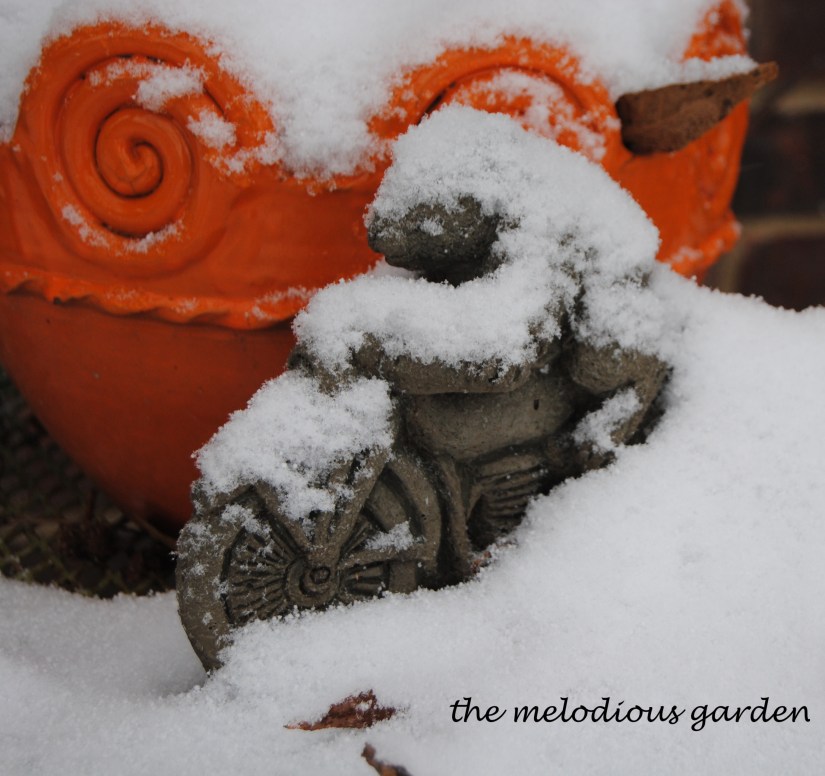
The birdbath above is not mine, though it presently resides in my front garden, a daily reminder to live each day to the fullest. I am bird bath sitting for a friend, married in the year 2000, as her life has taken some unexpected turns due to cancer and fulfilling dreams. We worked together many moons ago, pre-motherhood for both of us. Our children are grown now, though in my mind my boy still loves Ralph, the motorcycle riding mouse. (Photograph below.)

The year 2000 seems so long ago and yet feels like yesterday. My friend and I now share a connection no one wants – both of our husbands have cancer. I am reminded of the quote, “To plant a garden is to believe in tomorrow.” Gardening is an act of hope – an act of defiance! – that even though dark days may lie ahead, spring will come again. And with it, the season of renewal, of rebirth. Just as the plants again spring forth from the ground, so does our belief in tomorrow. It’s no coincidence that seed catalogs flood our mailboxes in the longest nights of winter.

While I have battled chronic autoimmune issues most of my life, my husband had always been so healthy. In a blink of an eye, that changed. One beautiful sunshiny May day in 2024, he was healthy. The next day, he was a cancer patient.

My husband is a hardcore cyclist, often biking 50 or more miles after working a full day in the office. Biking is in his veins. He loves the adrenaline of the open road, powered by his own two legs and the energy within two thin wheels.

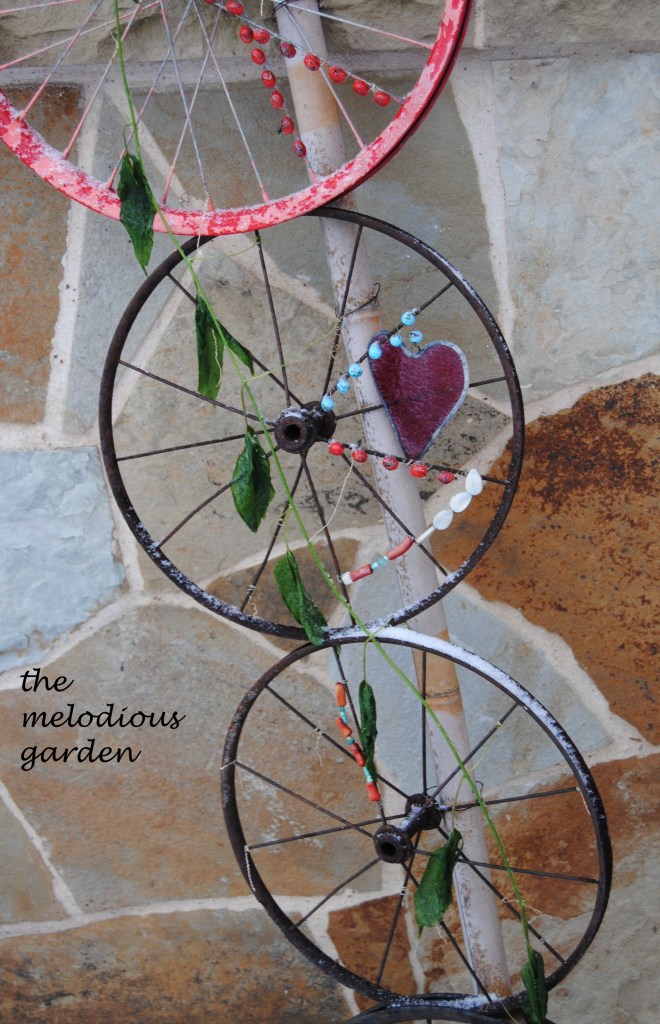
I have a thing for old wheels. I, too, love the energy that is held within each circle, though from a philosophical point of view and not a physical one. In the weeks after my husband’s diagnosis, I stacked up the old bike wheels scattered about my garden and created a trellis of hope. (Photograph above.) The energy within each simple wheel is the energy that powers us through life. My trellis of hope is leaning a bit at the moment, a wayward passionvine is frozen in place, but it still brings me comfort and peace. None of us make it out of this life without some troubles and traumas. We can either perish under the weight or we can ride on, looking for sunnier days ahead.

“The first fall of snow is not only an event but it is a magical event. You go to bed in one kind of world and wake up to find yourself in another quite different, and if this is not enchantment, then where is it to be found? ~ J. B. Priestley

(All photographs taken today, Friday, January 10, 2024, in my southern Denton County, Texas, garden.)

gardening, nature

Rome wasn’t built in a day

And neither was a garden!

One of the comments I hear most often about my garden is, “You must spend a lot of time in your garden!”

I hear that with both inflections…

Good: This is such a beautiful, peaceful retreat you have created, you must spend a lot of time in it!

And

Not So Good: This looks like a lot of work! You must spend a lot of time out here taking care of it!

My general answer is, Well, Yes and Yes but also… Not so much.

Yes, my garden is a lot of work. For the most part, though, it is very enjoyable work. Gardening soothes my soul and calms my mind. Yes, I do spend a lot of time in the garden, both for pleasure (relaxing) and because the weeds aren’t going to pull themselves. But also – not so much, because what visitors to my garden see is… 28 years of work.

Yes, I often spend entire days outside in the garden, especially in late winter and early spring when I am cutting back the previous year’s flower stalks and resetting my vegetables from cool season crops to summer ones. And I did just spend ten hours weeding and mulching the Saturday before a garden club came to tour my gardens. Where many people might see that as work, I see that as (mostly) pleasurable. The few exceptions are junk trees, briars and trumpet vine, but that is where the ritual morning and/or evening garden stroll comes in handy. Newly sprouted cedar elm or oak trees, for example, are easy to spot and pluck up. Give them a season and they are a chore to remove.

I (even? especially?) enjoy the physical aspect of hauling mulch, as it reminds me to be thankful for the ability to do such tasks. It wasn’t that long ago (four years ago, to be exact) that I didn’t know if I would ever be strong enough to haul mulch again. Our bodies are designed for movement and physical work, something that is often overlooked in today’s world.

But Rome wasn’t built in a day and it takes time for a garden to develop, to come together, to mature and evolve and settle in. I can look back at photographs taken of our property 20… 25… 28 years ago and think, I have put a lot of work in to this garden! But what I see is the evolution of both the garden and the gardener. I don’t now remember the back breaking work of removing so much sod, hauling in bricks and rocks and dump truck loads of compost and mulch. This garden wasn’t built in a day. It grew day by day and season by season until I am now approaching 30 years of living and gardening here. A labor of love perhaps, but a sanctuary for this gardener and for the visitors that flutter through.

Photograph taken May 17, 2024, in my Southern Denton County, Texas, garden.

gardening, nature

No room? So soon?

I am afraid it has happened.

I have purchased plants and they need planted.

And. I have… no space for them?

It was bound to happen at some point. But so soon? I have only just begun my garden. (…twenty-eight years ago…)

I am hesitant to share this information around too much. I don’t want word to get out. (…to my Chief Financial Officer…)

It is sad to think that I may never get new plants again. It is sad to think of skipping spring plant sales. It is sad to think of walking right past the pretty plants at the garden center and none following me home.

In all that sadness, I decided I needed to sleep on my conundrum. To give the situation at hand a fresh new look in the morning, in the hopes that perhaps some space might magically open up overnight. (And not via a Vacancy sign popping up on a favorite plant, suddenly stricken overnight by disease or pests!)

And what should happen, but the following morning’s garden stroll revealed… a lightbulb moment…

It isn’t so much that I am “out of space,” rather my garden is full.

Full of winter bulb foliage that needs to die back naturally, in order to feed next year’s blooms.

Full of coneflowers and winecups that I have allowed to reseed and spread and sprawl and ramble about.

Full of daylily foliage, which have been loving our abundant spring rains and growing and doubling in size seemingly overnight.

My garden is equally full of rainlilies and passionvines, both super spreaders in my garden.

Yes. My garden is full.

But the bulb foliage will eventually be cut back and the bulbs will be dug and divided and replanted. The tall bearded irises also desperately need divided and thinned out.

And I really should thin the coneflowers and winecups, but both feed the bees and butterflies that visit my garden. The winecups will finish their bloom cycle soon enough and I will cut back their rambling vines and they will disappear beneath the ground until next spring. The coneflowers may well shrink in numbers, beat down by the summer sun, as is typical in years past.

(Shown below: Texas native winecups, rambling over dwarf Yaupon holly shrub.)

I could stand to pull a few of passionvines that pop up here and there about the garden. But just as I think that, a gulf fritillary butterfly happens by and deposits her eggs and – right before my eyes – nature is complete, right here on my own little piece of Earth that I garden. (Shown in photograph below.)

Am I out of garden space? Perhaps. But for now, I prefer to think that my garden is just bursting out at the seams and jubilantly growing, lush from inches and inches of spring rains.

(Shown below: Coneflower growing outside its flower bed.)

All photographs taken today, May 8th, in my southern Denton County, Texas, garden.

gardening, nature

April Showers And May Flowers

If April showers bring May flowers, I should expect a flood of flowers this month.

I know I have said this before – and I likely will say it a thousand more times – but we gardeners are a fickle lot.

It’s too hot. Or too cold. Too wet. Or much too dry.

I am sure someone somewhere is gardening in utopia, but a garden utopia Texas is not!

Much of the state experienced a record setting freeze in February 2021, which was quickly followed by a summer of record setting heat and drought. The following two summers saw us again experiencing record high temperatures. Much – all? – of the state has been in a prolonged drought, with little rainfall even in what are normally our wetter months of the year. Are gardeners fickle about the weather or are we just more aware of the weather patterns and the seasons? Many times over this past winter, I heard gardeners lament the lack of rain and the possibility of another unseasonably warm and dry spring. I am not so sure, I would counter. We are due for a really wet spring, we haven’t had one in a decade or so. It’s time for the precipitation pendulum to swing from drought to flooding.

Truer words (aka: armchair weather forecasting) may have never before been spoken.

Rain, rain and more rain seems to be our current weather pattern. My new rain gauges, purchased two years ago, are finally getting a workout.

And the flowers.

Oh.My.

The Flowers! The garden on May 1st is truly a flood of flowers!

Giant Imperial Larkspur, shown above, is looking especially stately and regal. I allowed last year’s flowers to reseed at will and the results this year are outstanding.

While the rains have left a few of the early season daylily blossoms looking a bit ragged, this one is beautifully perfect. (Unknown red daylily, shown above.)

“As full of spirit as the month of May, and as gorgeous as the sun in Midsummer,” William Shakespeare

The sunny bright yellow blossoms of Coreopsis, shown below, have been especially welcoming given the many April days of overcast skies and rain-heavy clouds.

“May, more than any other month of the year, wants us to feel most alive,” Fennel Hudson

Most days start with a garden stroll, my rescue mutt Princess Leia running out ahead of me, ensuring that the garden is safe from squirrels and rabbits. While she is dashing rapidly from corner to corner, I – still clad in my pajamas and not quite awake – take a more leisurely pace, stopping to see small details, such as a spider’s handiwork on a poppy bud. (Shown below.)

While some gardeners gravitate toward a formal layout and design, I prefer an informal approach. A cottage garden? A wildflower garden? So many ways to approach gardening or describe one’s garden, no one way necessarily better than the other. To each their own. I take the laid back approach, often letting plants wander about. This Nigella Damascena (Love-in-a-Mist) flower, shown below, has popped up directly in a pathway, but what a lovely flower to have to stop and carefully step around.

Geum canadense (White Avens), shown below, is another plant that has wandered a bit about the garden. My original plant was purchased at the Lady Bird Johnson’s Wildflower Center’s spring plant sale many years ago. It now pops up here and there, never a nuisance, always beckoning me to stop and take a closer look at its tiny blossoms. I have not seen Geum canadense available at garden centers, though it may come up from time to time at nurseries that specialize in Texas natives.

We may not live in a garden utopia, but embracing native plants, as well as older heirloom plants, may just be the way to beat Mother Nature at her game. These are the plants that don’t just survive our extreme weather, but thrive and come back year after year. Calyptocarpus vialis (Horseherb), shown below, is another favorite of mine, as it will grow in both sun and shade and attracts smaller butterflies and pollinators.

“May is the month of expectation, the month of wishes, the month of hope,” Emily Bronte

This May, Keep calm and garden on and don’t forget to make a wish for perfect gardening weather this summer!

All photographs taken today, May 1st, 2024, in my Southern Denton County, Texas, garden.

gardening, nature

Earth Day 2024

“Always be on the lookout for the presence of wonder.” E. B. White

What better day than Earth Day to be on the lookout for the presence of wonder!

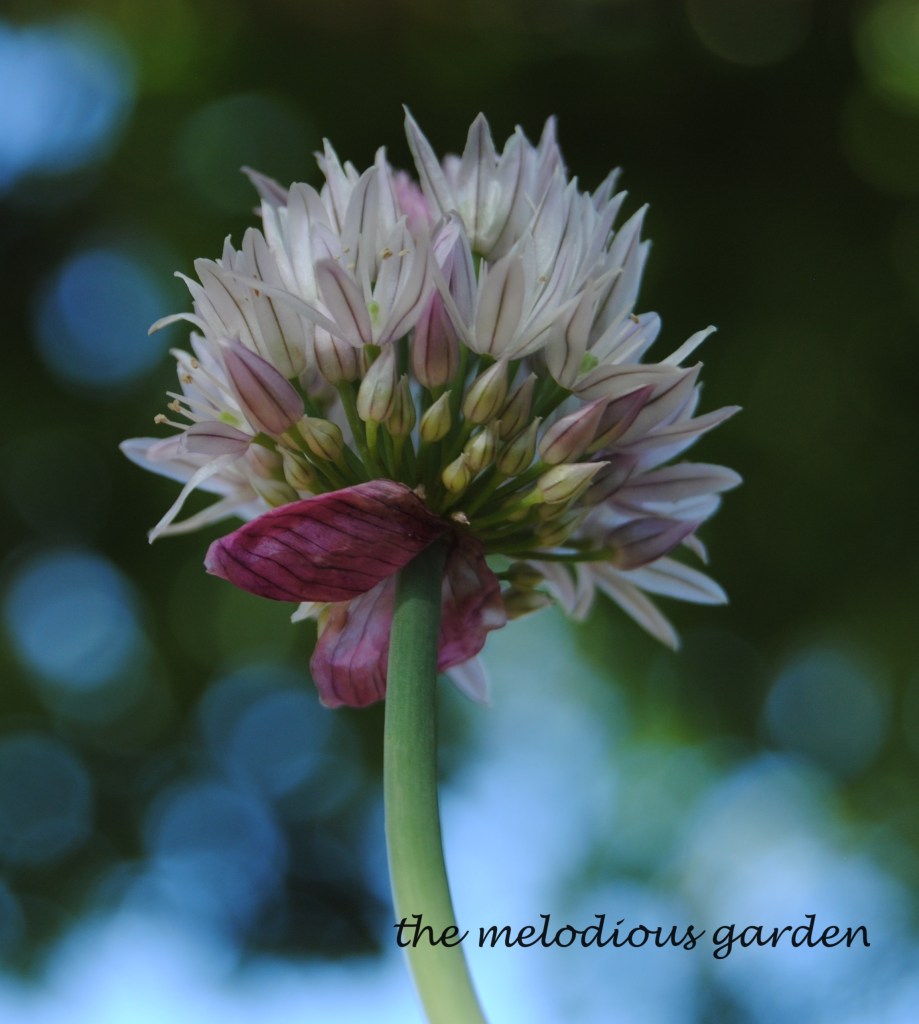
The delicate colorations on the underside of an onion chive blossom.

“We cannot protect something we do not love, we cannot love what we do not know, and we cannot know what we do not see. Or hear. Or sense.” ~ Richard Louv, The Nature Principle

The tissue thin petals of a poppy.

“I do not know if it is possible to love the planet or not, but I do know that it is possible to love the places we can see, touch, smell and experience.” David Orr, Earth in Mind

The purple veins on the hyacinth bean’s leaves.

“If you truly love nature, you will find beauty everywhere.” Vincent Van Gogh

The snow white of a daffodil, blooming so late in the season.

“To walk in nature is to witness a thousand miracles.” ~ Unknown

The cream colored accents on an amaryllis flower, as if a painter ran their brush across the red.

The contrast between today’s coreopsis blossom and tomorrow’s promise, the still tightly closed bud.

Nature is filled with so many tiny details if only we stopped long enough to take them in. This Earth Day, take time to step outside and take in the natural wonders that surround us.

All photographs taken April 22, 2024, in my southern Denton County, Texas, garden.

gardening, nature

In the hush of a summer noon

“How blest to sit in the fragrant shade,
In the hush of a summer noon,
To watch the bees at their happy task,
And listen their drowsy tune…” ~ Elizabeth Anne Chase Akers Allen

Poets and gardeners alike adore the bee family. Many lines of poetry have been written about the humming and buzzing of bees, and every gardener worth their weight in honey knows the important role bees play in pollinating their gardens. Alas. Few poets write wistfully of flies and I have yet to meet a gardener that talks about the flies in their garden. Mark Twain perhaps said it best when he wrote that he would “rather have ten snakes in the house than one fly.” That could explain why I have yet to stumble across a field guide to the various flies of Texas.
This happens to be Pollinator Week, a time to say Thank You to all of our hardworking pollinators, and not just the bees that poets wax poetic about. Bees – and flies! – hummingbirds, butterflies, moths, wasps, bats and beetles are all responsible for pollinating our crops.

Instead of stepping on my usual soapbox and writing about the importance of pollinators and how much humans depend on them to pollinate our crops and how everyone can take small steps to benefit our pollinators… because we all know that is important, right?… Instead I thought I would share some of the pollinators spotted around my melodious garden this month of June and some of the flowers I have that lure in the pollinators, because honestly we should be celebrating them all month long.

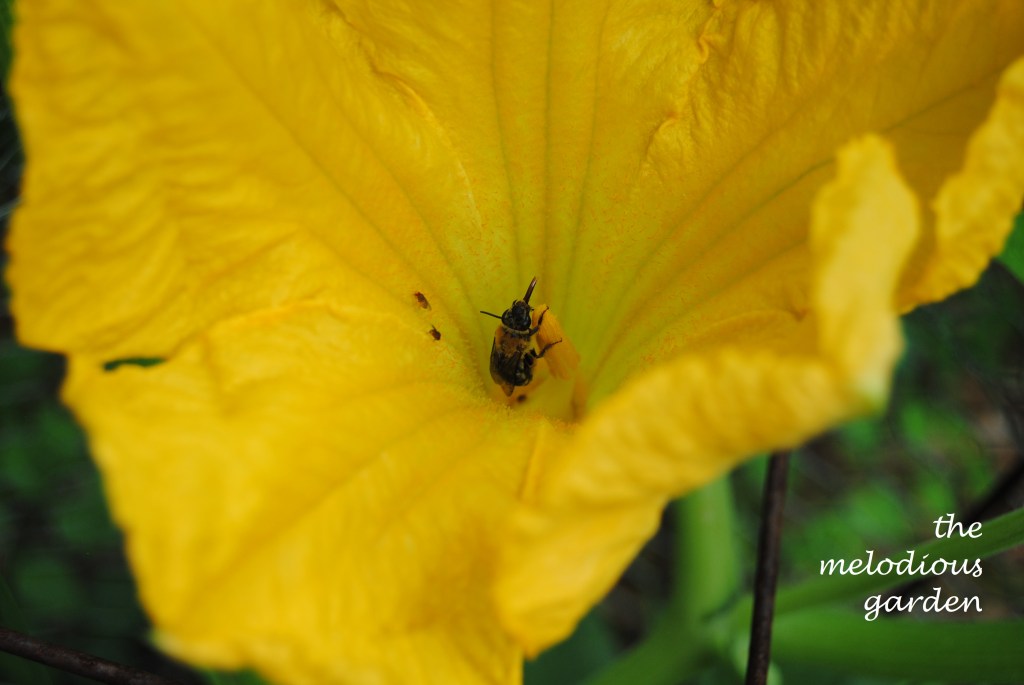
A little pollinator action on a zucchini plant, shown in the photograph above, taken on June 21st.

It is estimated that one out of every three bites of food we eat requires pollination. Some foods require pollination to produce, such as zucchini. Other foods indirectly require pollination, such as meat and dairy. Livestock are primarily fed grains that require pollination, so to raise meat for consumption or to produce milk, pollinators are needed. Some foods, such as blueberries, are self-fertile and do not require pollination to produce a crop, but the plants will have higher yields with pollination.

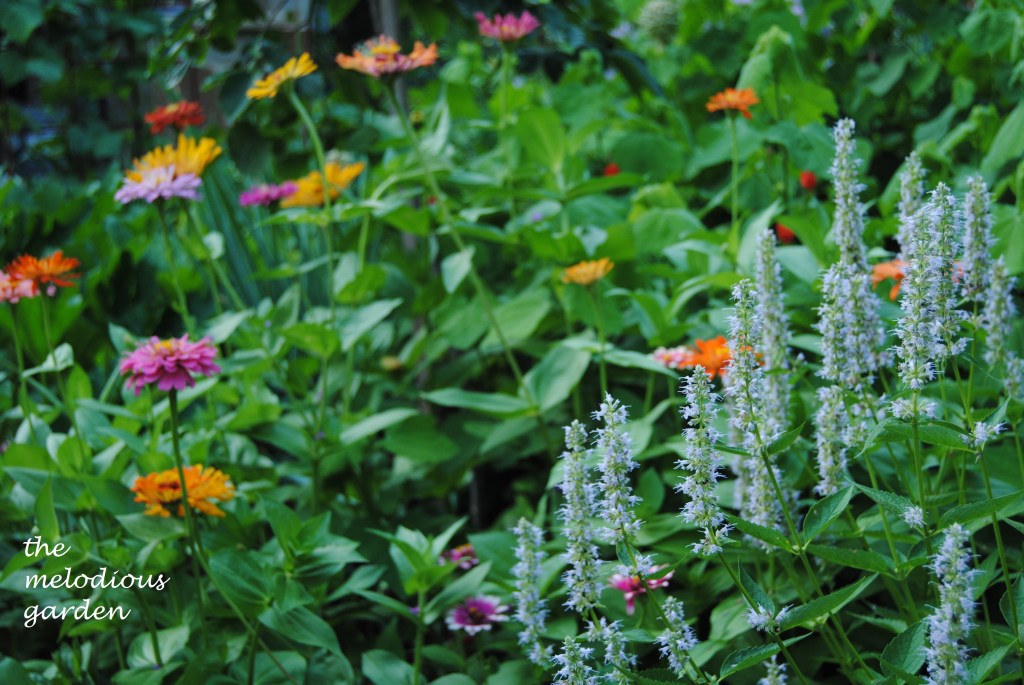
A large patch of zinnias, shown below, is planted just behind the zucchini in the above photograph. Blue fortune agastache is a lovely contrast to the bold, bright colors of the zinnias. Both plants are attractive to bees and butterflies. Planting flowers around your vegetables is a great way to ensure plenty of pollination.
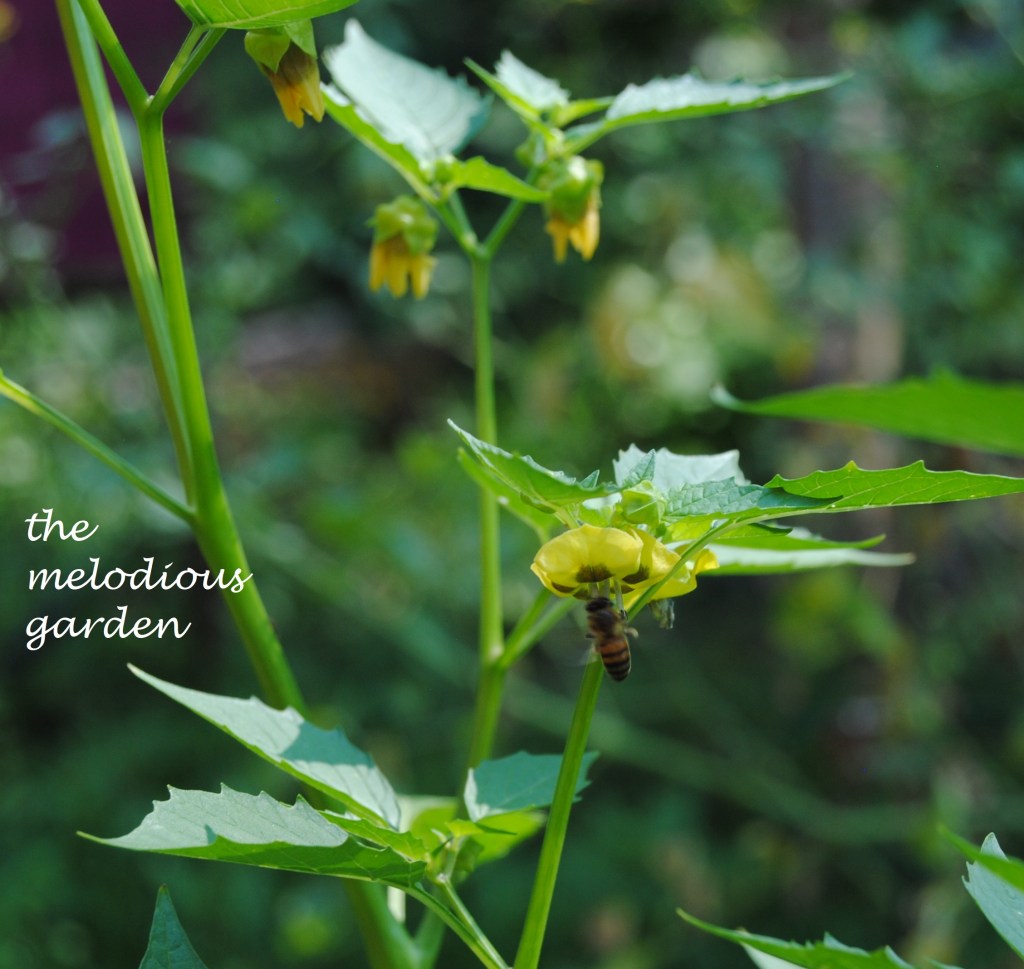
A little pollinator action on a tomatillo, shown below, photograph taken June 1st.

Cosmos and zinnia, shown in the photograph below, are planted directly in front of the tomatillos.

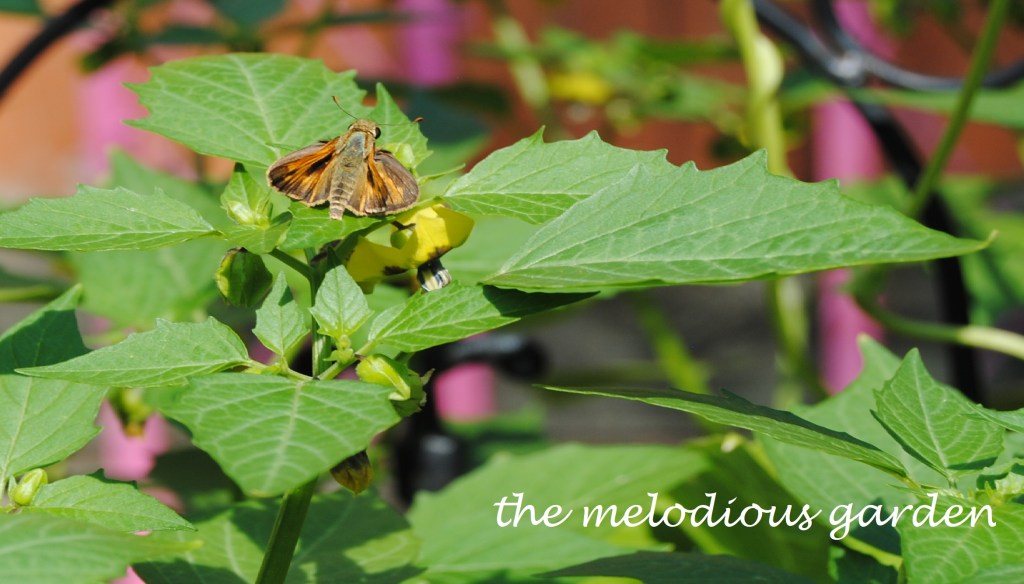
Moths are often overlooked as pollinators, but they are an equally important insect to have in the garden. In addition to pollinating plants, they are a great food source for amphibians and birds. In the photograph below, a moth rests for a spell on a tomatillo plant.

“I like to psychoanalyze the flies. They are very inquisitive, for instance – eager to investigate anything, taste anything, crawl over any object from a buzz-saw to a bald head. Flies are the most obstinate creatures in the universe for they never give up an undertaking. They don’t know how to desist.” ~ Dorothy Scarborough

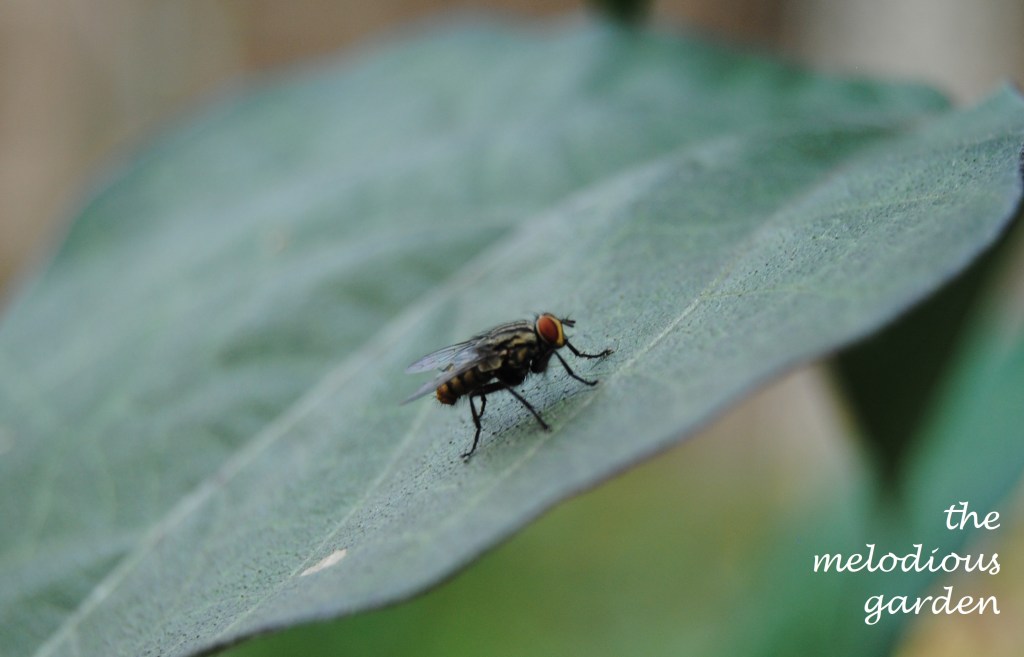
You didn’t think I could mention flies without photographing one, did you? It actually took me quite a while to find a fly, shown in the photograph above, then there he was – sunning himself on the leaf of a pole bean.

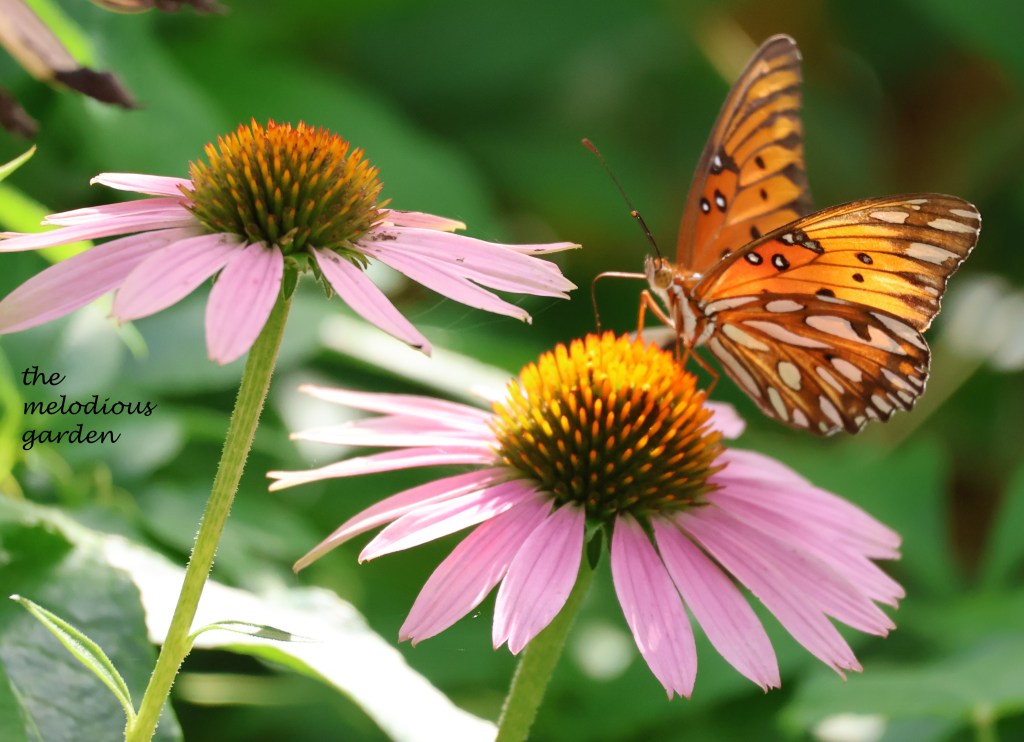
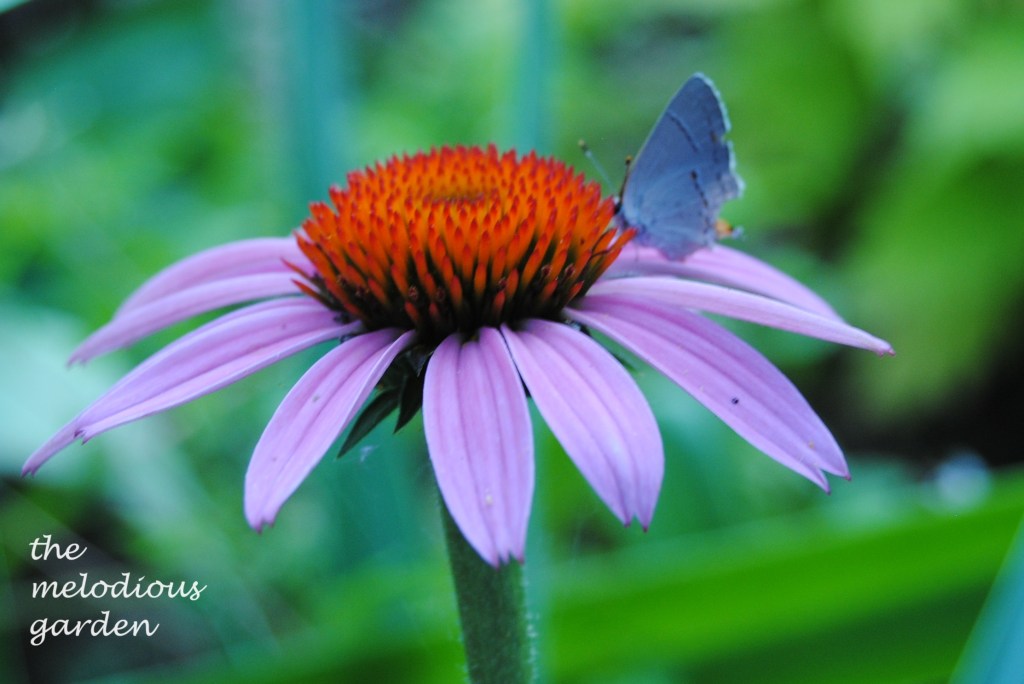
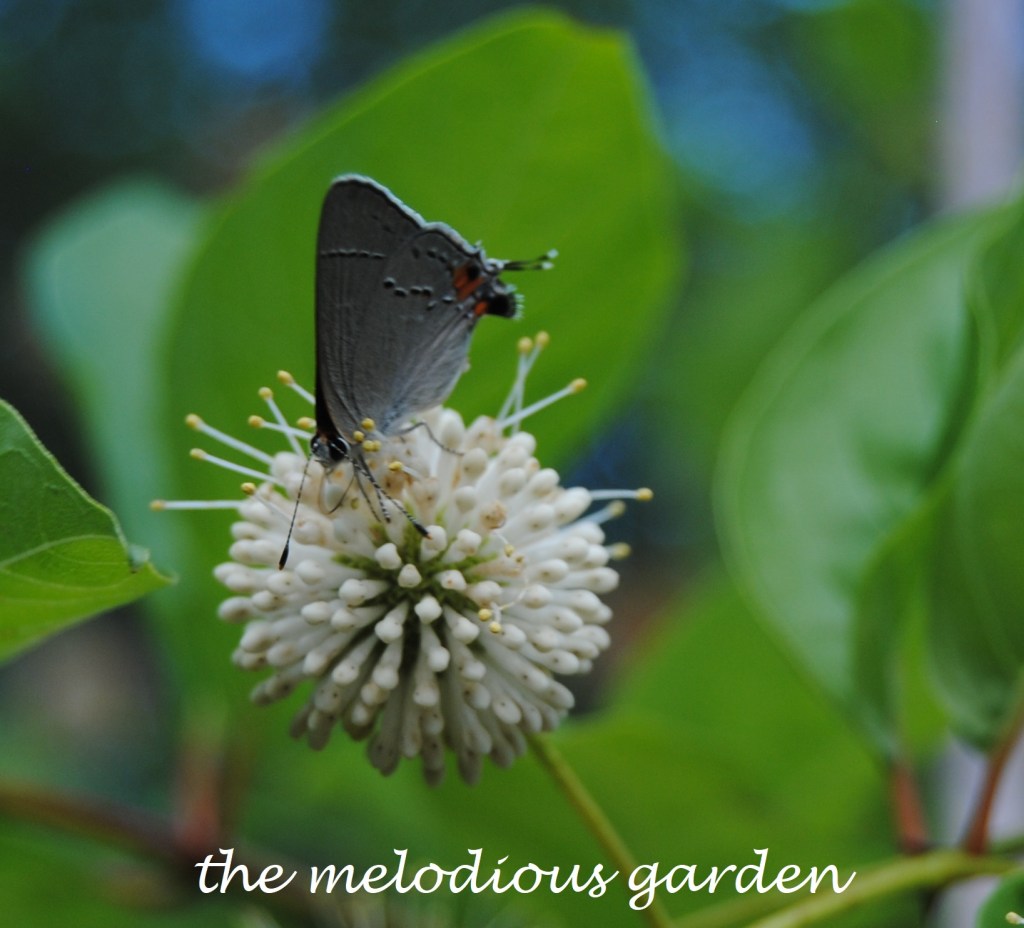
Above, a gray hairstreak nectars on our native echinacea, aka coneflower. The native variety attracts a wide variety of pollinators.

Host plants, such as passionvine, shown below, are also important to pollinators. Gulf fritillary butterflies lay their eggs on passionvine. The eggs then hatch and the caterpillars feed on the passionvine.

“I am regretful that in my growing up years bugs were not regarded seriously as now. I have to get my mind adjusted to the notion of taking them as important members of society, since in my green days they were brushed aside or stepped on without qualm. I didn’t know that scholars gave their whole lives to studying worms, or work up a passionate fervor over spiders, or rhapsodize over bees.” ~ Dorothy Scarborough

I could rhapsodize all day and night over the pollinators in my garden, but will leave this here for now… It is unseasonably hot in Texas right now. While poets and gardeners can seek relief in air conditioned homes, wildlife cannot. (Except, perhaps, flies and mosquitoes.) Celebrate Pollinator Week Month and consider doing just one small thing to help our pollinators. Need ideas? (You didn’t really think I could pass a chance to step on my soapbox, did you?)