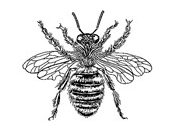
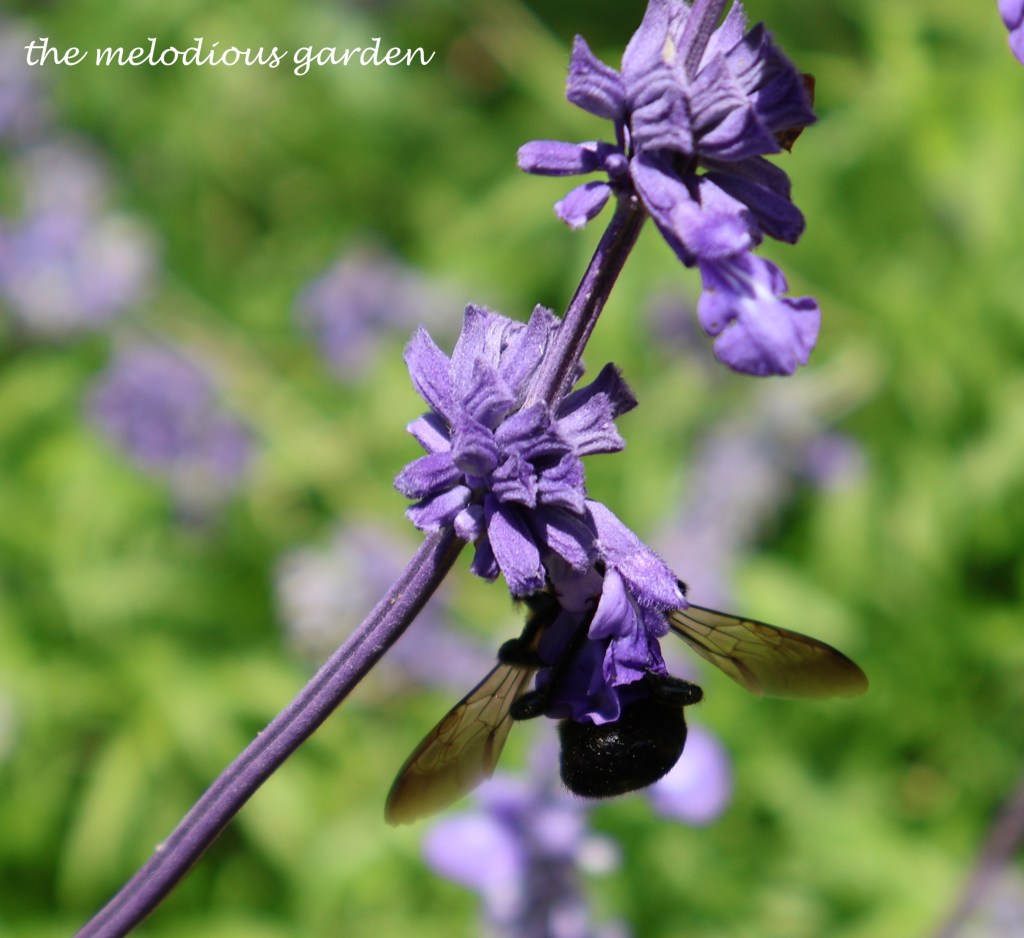
Today is World Bee Day, a chance to celebrate the humble bee. I don’t know about y’all, but I will likely celebrate with a little trip to a garden center to purchase a bee friendly plant or two. My gift to the bees. It’s the gift that keeps on giving.
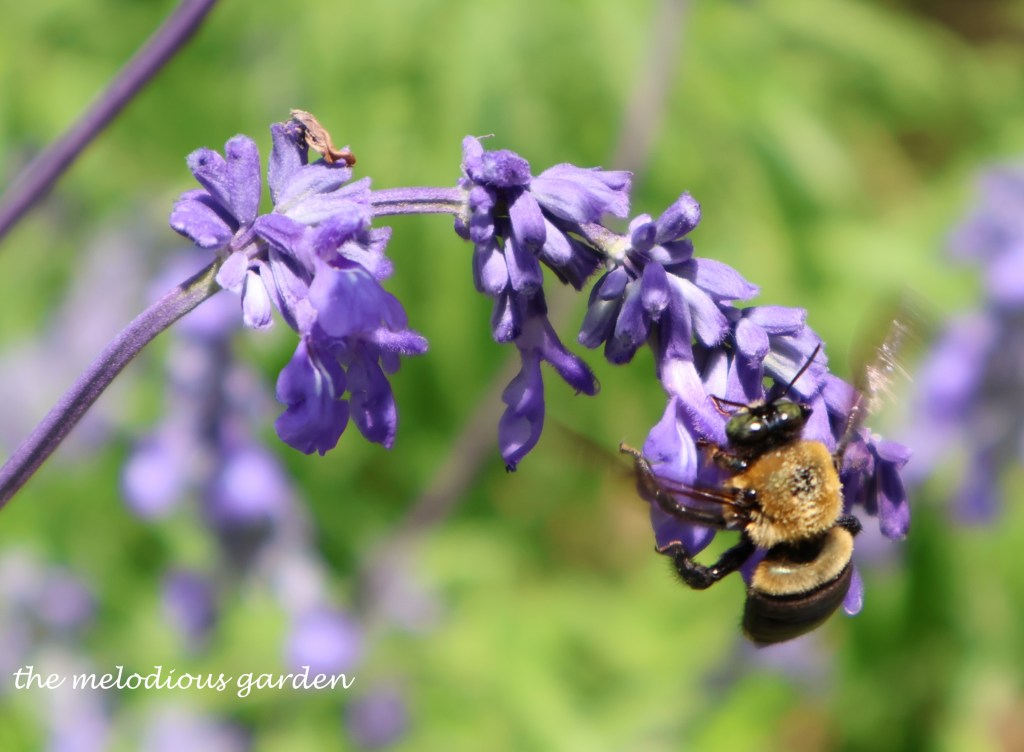
World Bee Day is celebrated on May 20th, in honor of the pioneer of beekeeping, Anton Janša, who was baptized on this date in 1734.
“Among all God’s beings there are none so hard working and useful to man with so little attention needed for its keep as the bee,” Anton wrote in his 1775 book A Full Guide To Beekeeping. While 250 years have past since Anton penned his praise of bees, the idea of a world holiday in honor of the bee has actually only been around since 2018. This day may have its roots in beekeeping, but it is a way to bring awareness to all pollinators and their relationships with humans and healthy, thriving ecosystems.
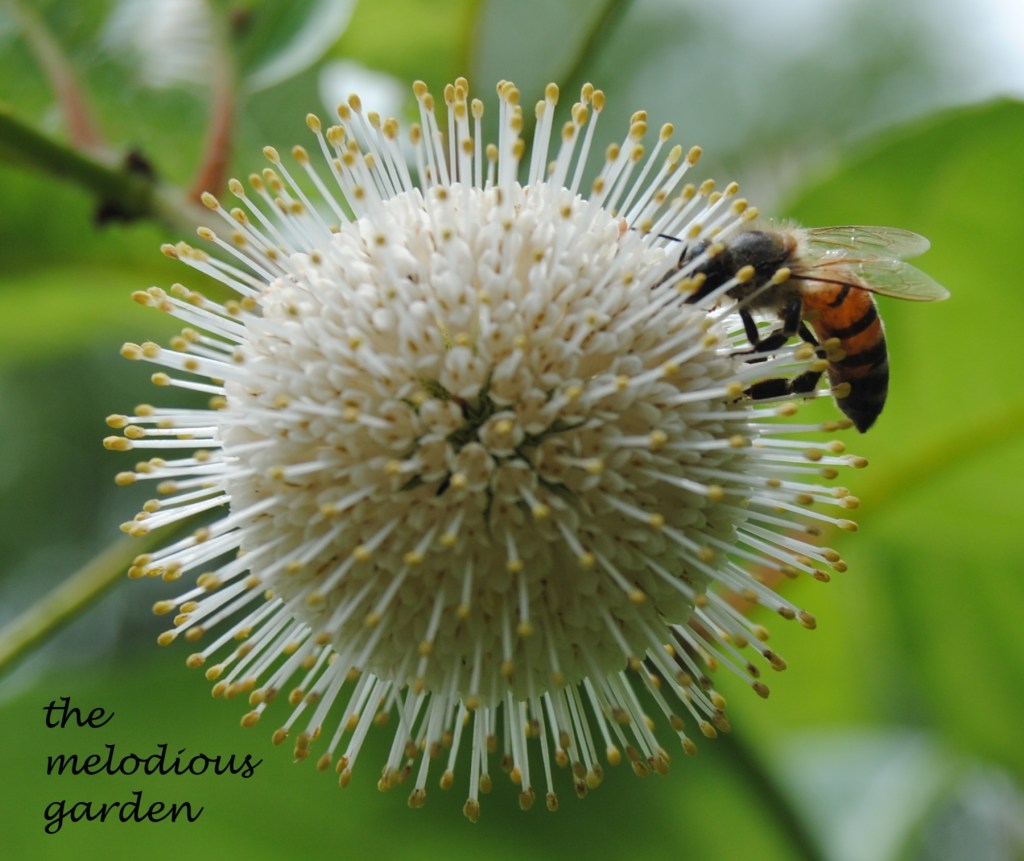
We have all seen the headlines. Pollinators are in trouble. Insect populations are in decline. But many people don’t realize that they have the ability and the power to help. We tend to look at the larger, global issues and feel overwhelmed, but we can dial it down to a local level and have a real impact on our own native pollinator populations.
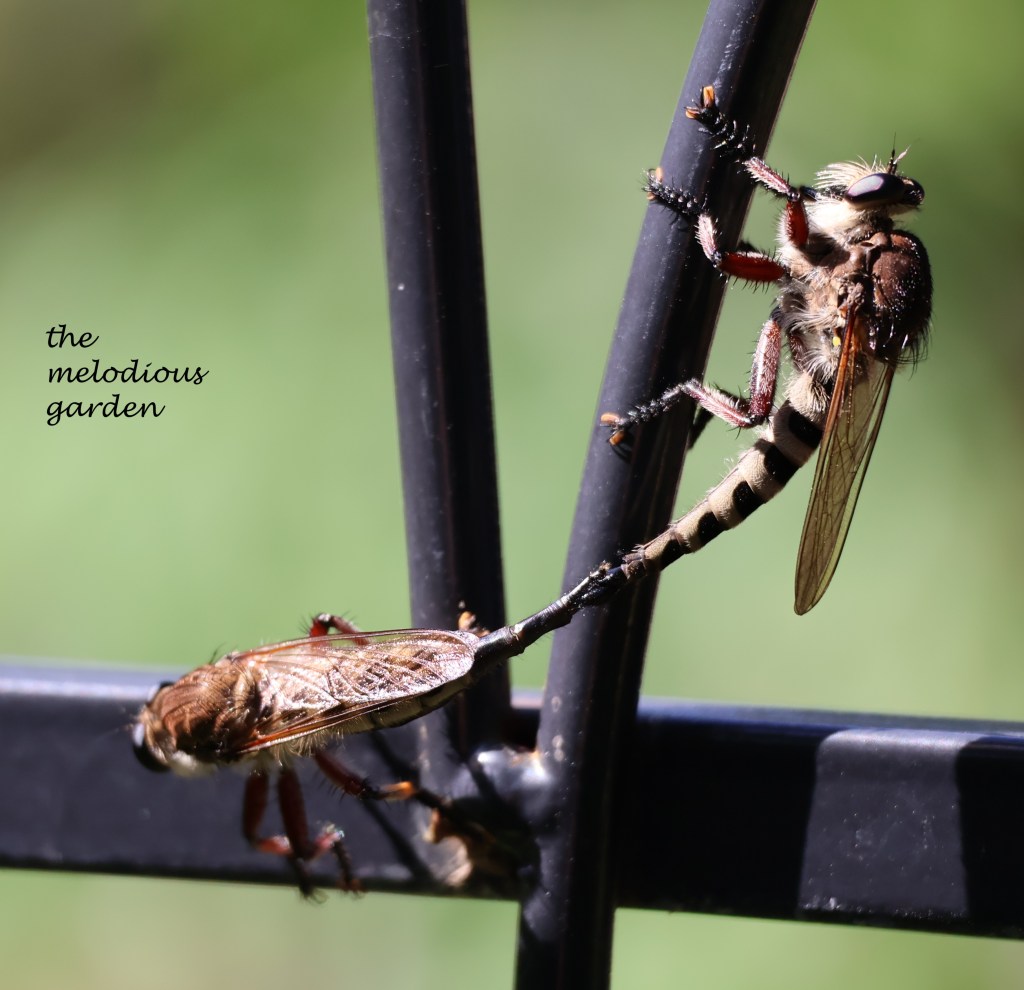
Bees are the most important group of pollinators for our food supply but many other insects, such as beetles, butterflies, moths, flies and wasps, also play a vital role in pollinating. On a global level, there are somewhere between 200,000 and 350,000 species of pollinators, with an estimated 20,000 species of bees. On a local level, Texas is home to around 1,100 to 1,500 native bees. Many of the actions we can take to support our local bees also support other pollinators. Knowing and understanding why pollinators are in danger is to know and understand what we can all do to help.
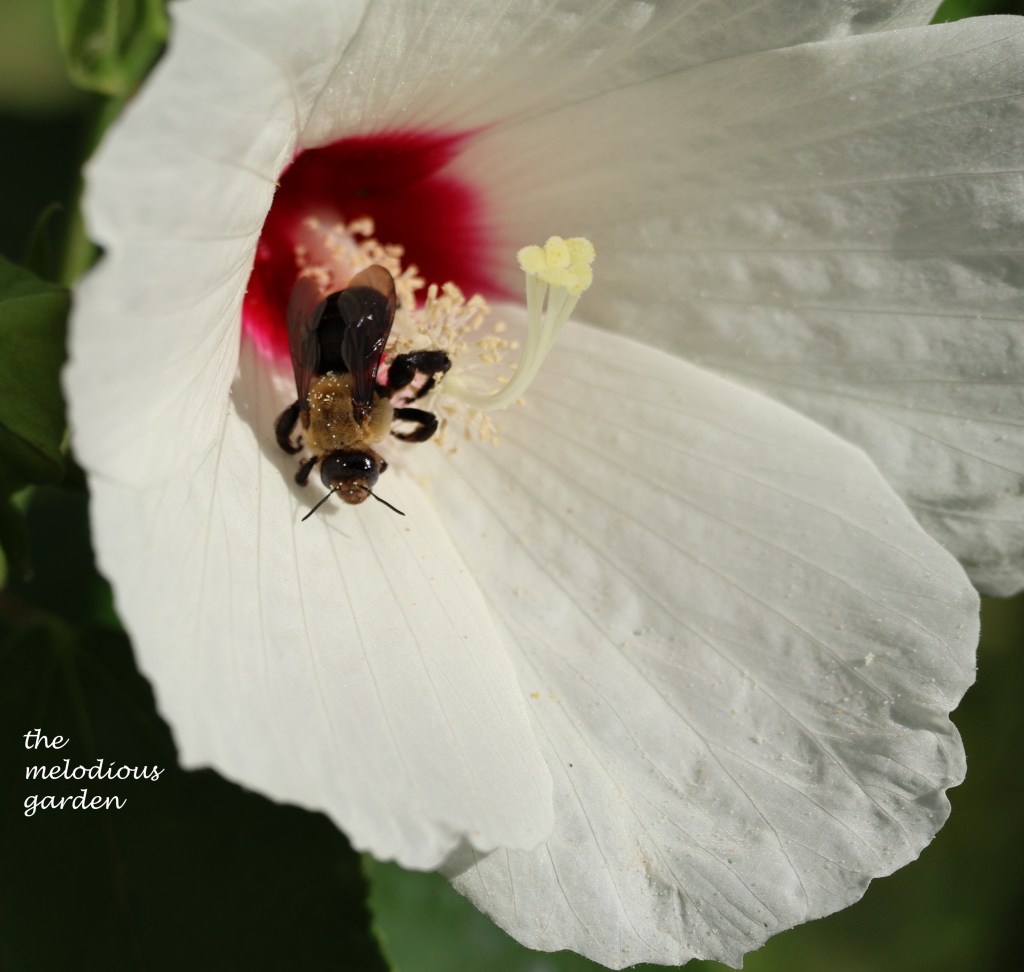
Challenge: Native habitats that pollinators depend on for survival are dwindling as construction and development worldwide take over much of our land space. Many new housing developments are ecological dead zones, perfectly manicured suburban lawns that are void of diversity and wildlife. Shopping centers and their parking lots sustain little more than grackles, while streets and highways connect us from sea to shining sea. “They paved paradise and put up a parking lot” is sadly just as true in 2026 as it was in 1970 when Joni Mitchell first sang those lyrics.
Solutions: Reimagine the traditional foundation planting or typical landscape design and embrace pollinator friendly plants. When selecting pollinator friendly plants, it is always best to buy native, non-hybridized varieties whenever possible. In Texas, we are so blessed to have the Lady Bird Johnson Wildflower Center in Austin, which promotes our state’s diverse array of native plants. They are an incredible resource for plant information; I don’t consider any plant buying expedition a true adventure until I have at least one tab open on my phone to their database of native plants. My Mother’s Day trip to Redenta’s Garden in Dallas found me looking up a new-to-me plant: Texas craglily, Echeandia texensis. Yes, my own garden is a long way from its native habitat in the Rio Grande Valley, but I have just the rocky spot to give it a try. Native plants can be utilized in any landscape style, from courtyard formal to cottage abundance. Adding non-native, non-invasive annuals, such as zinnias and cosmos, is perfectly acceptable to bridge gaps in the landscape while waiting on native perennial plants to fill out in size.
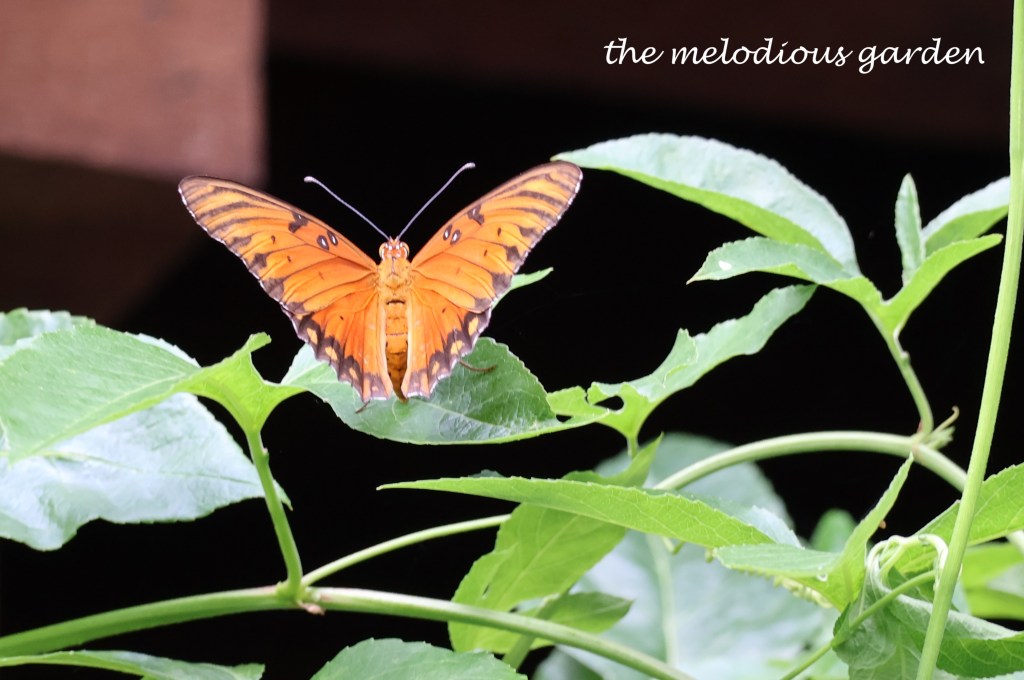
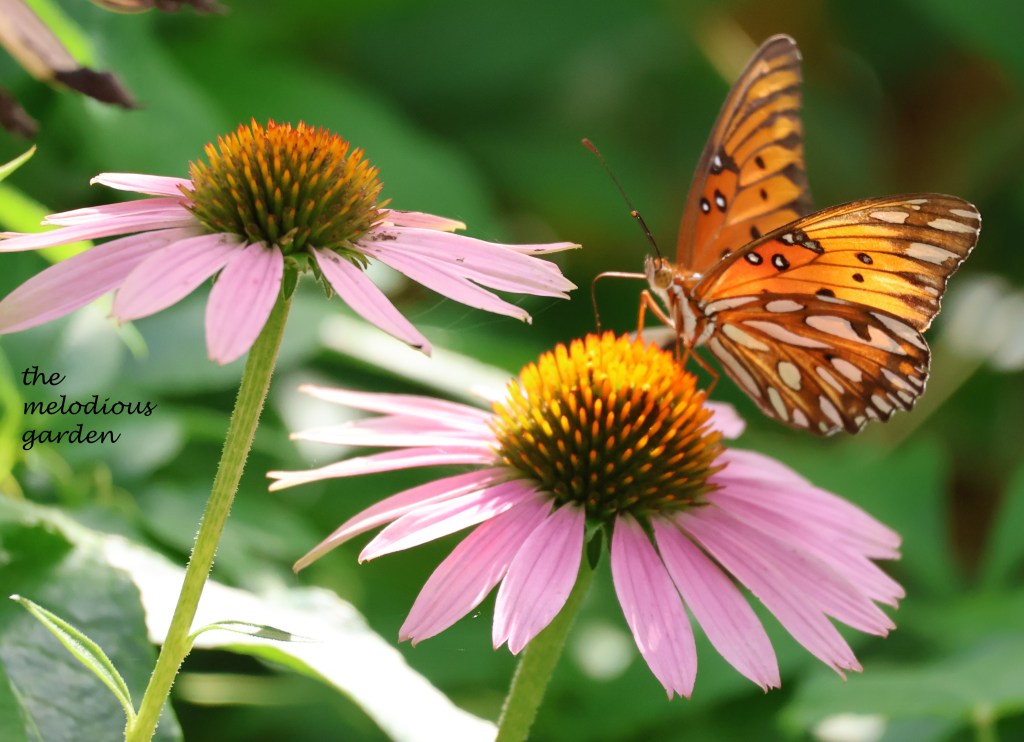
Be sure to include native trees, shrubs and vines in the landscape as those are important parts of a thriving ecosystem and many of them are the larval hosts for pollinators, such as butterflies and moths. Avoid monocultures, such as the typical turf grass lawn with a hedge of non-native shrubs along the sidewalk. Plant for diversity. It is also important to have successions of blooms so your garden – however small or large – has something in bloom throughout the seasons. Even a few containers of nectar rich flowers on a balcony or patio can provide important food for pollinators.
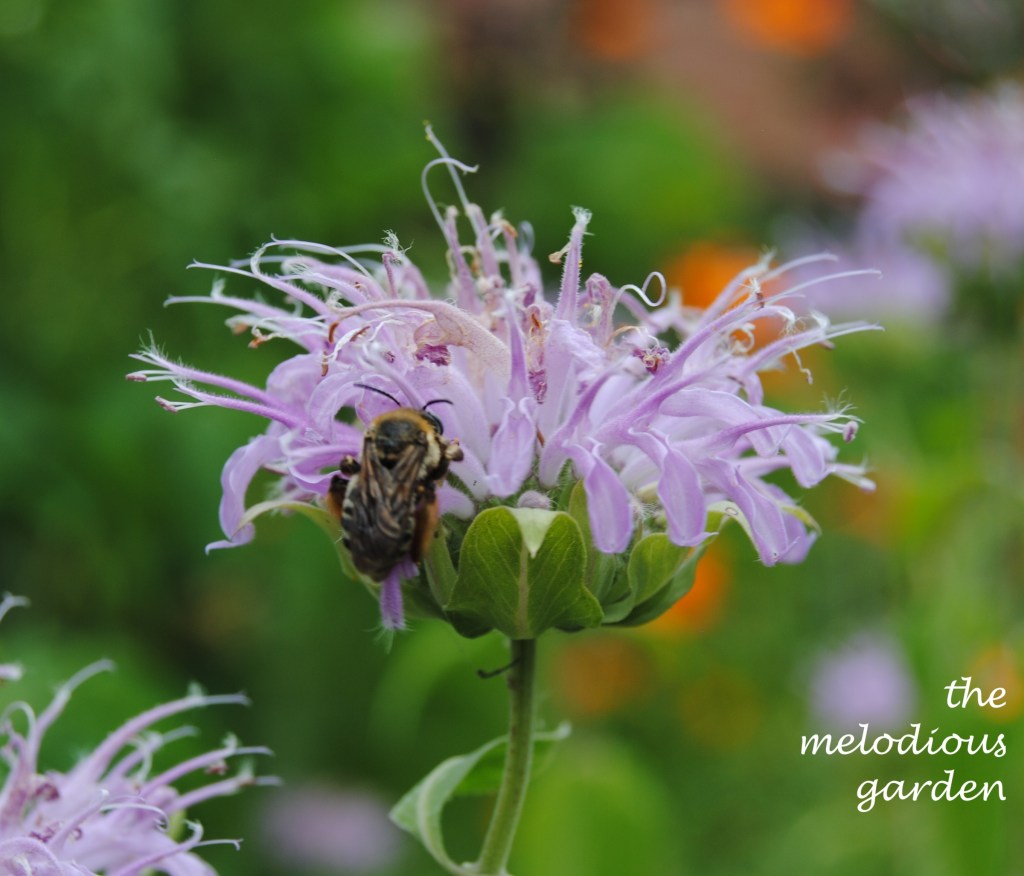
Challenge: Extensive pesticide use, both on a home scale and on a commercial scale, which doesn’t take in to account that 90-95% of insects are actually beneficial or indifferent (neither good nor bad bugs.)
Solutions: Eliminate unnecessary use of pesticides. Only about 5% of all insects are actually harmful, yet pesticides are indiscriminate and kill across the spectrum. A chemical that kills a tomato hornworm will also kill a monarch butterfly caterpillar. There are numerous resources available for organic (non-pesticide) gardening, though I have found that a well balanced garden is the best approach to keeping unwanted insects at bay. Kim Eierman, author of The Pollinator Victory Garden, said it so well: Nature is on our side if we support it. It is also important to support organic farmers and growers whenever possible. Ask for organic larval host plants at your garden center. Even though the garden center may not currently carry them, it shows them that customers are interested.
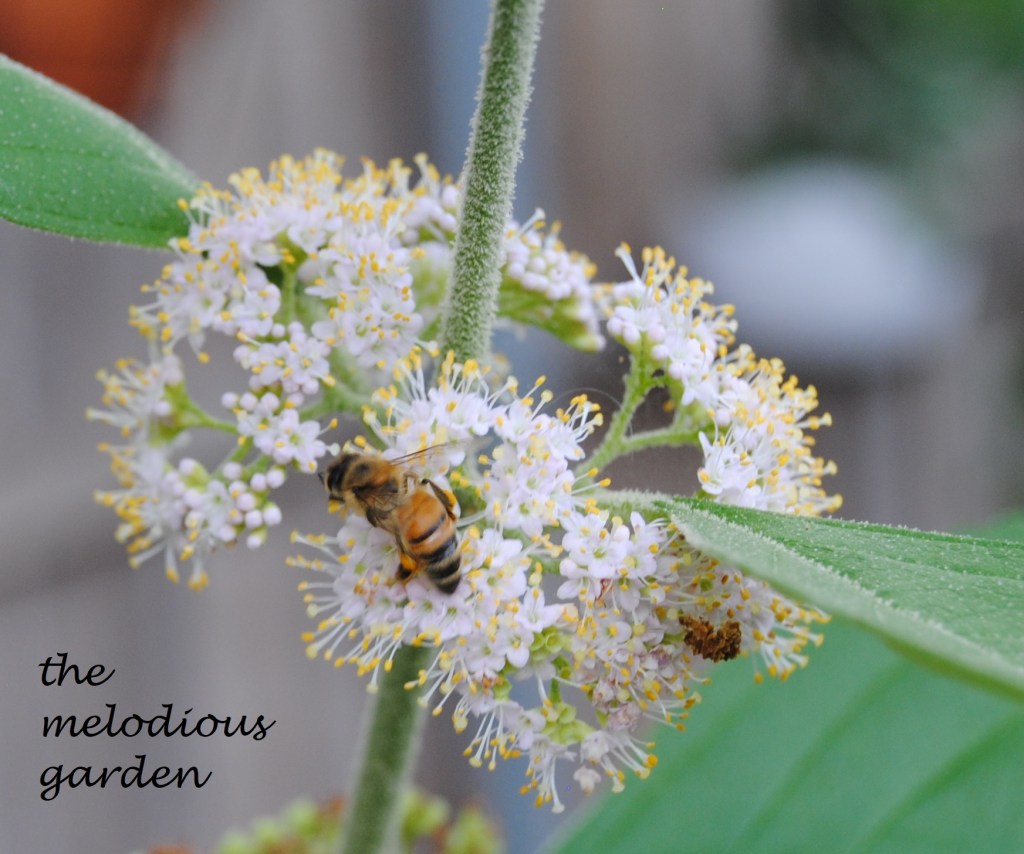
Challenge: But what will the neighbors think?!
Solution: Oh, honey. I gave caring what the neighbors think many plants ago! When my husband and I were house garden hunting 30 years ago, I already had a mental image of what my eventual garden would look like. It took us quite a while to find the property – with a house – that I fell in love with. That extra time and energy was worth it because 30 years later, I still love where we landed. I knew I didn’t want in a neighborhood with an HOA. I knew I didn’t want a typical square backyard where you entered a gate and saw the entire back garden at once. I also knew I didn’t want to be that house on the corner lot that stood out as vastly different from every other house on the block. I do love gardens like that, but – 30 years ago – I wanted tucked away, free to play with my garden without watchful eyes.
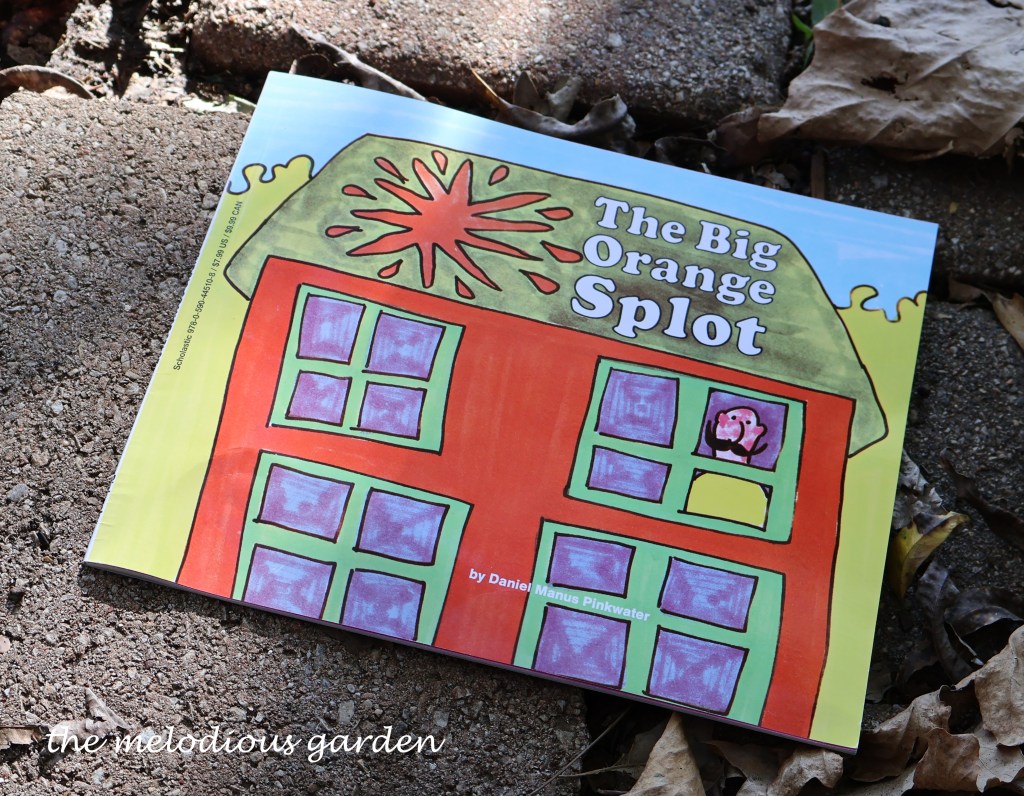
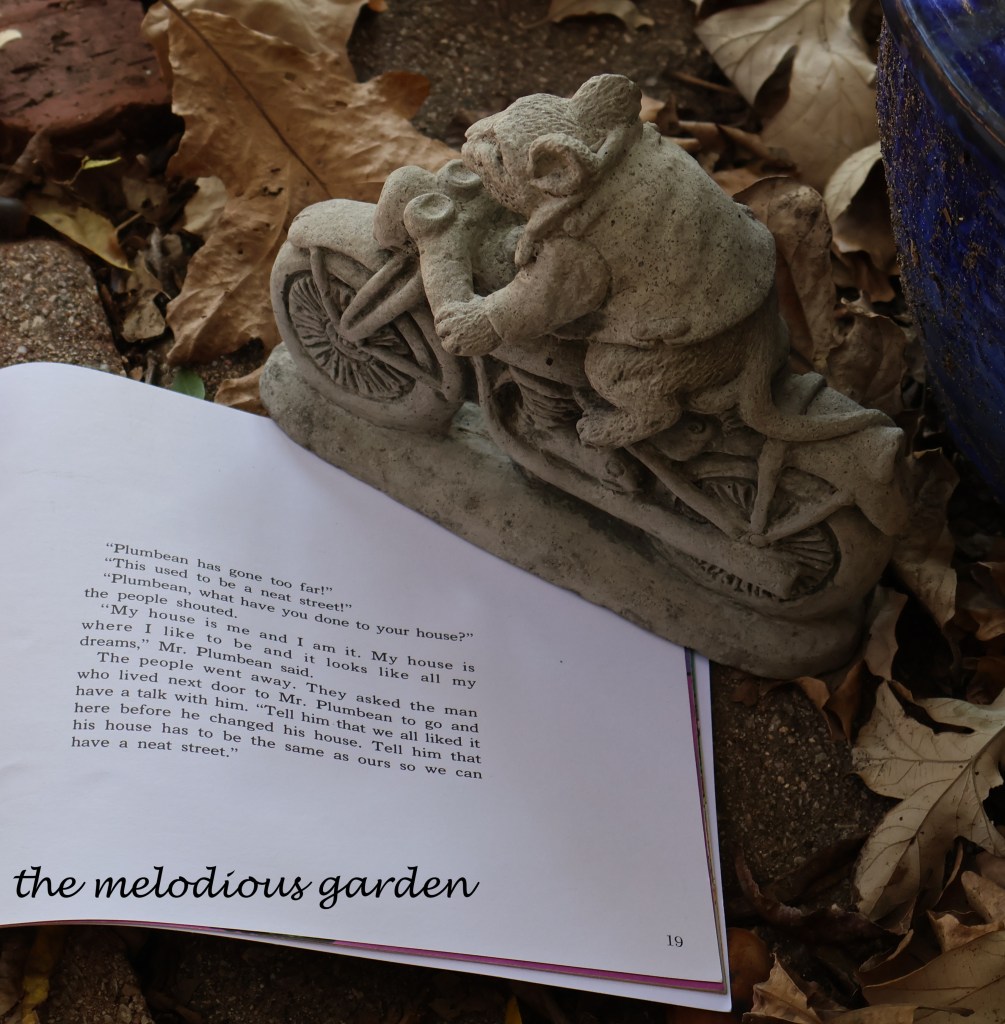
Today, I realize that most neighbors quite love my garden. In the 30 years that we have lived here, I have only gotten one negative comment from one neighbor. I have gotten hundreds of positive comments. Last year, I came across The Big Orange Splot, a children’s picture book which seemed very appropriate for me and my garden.
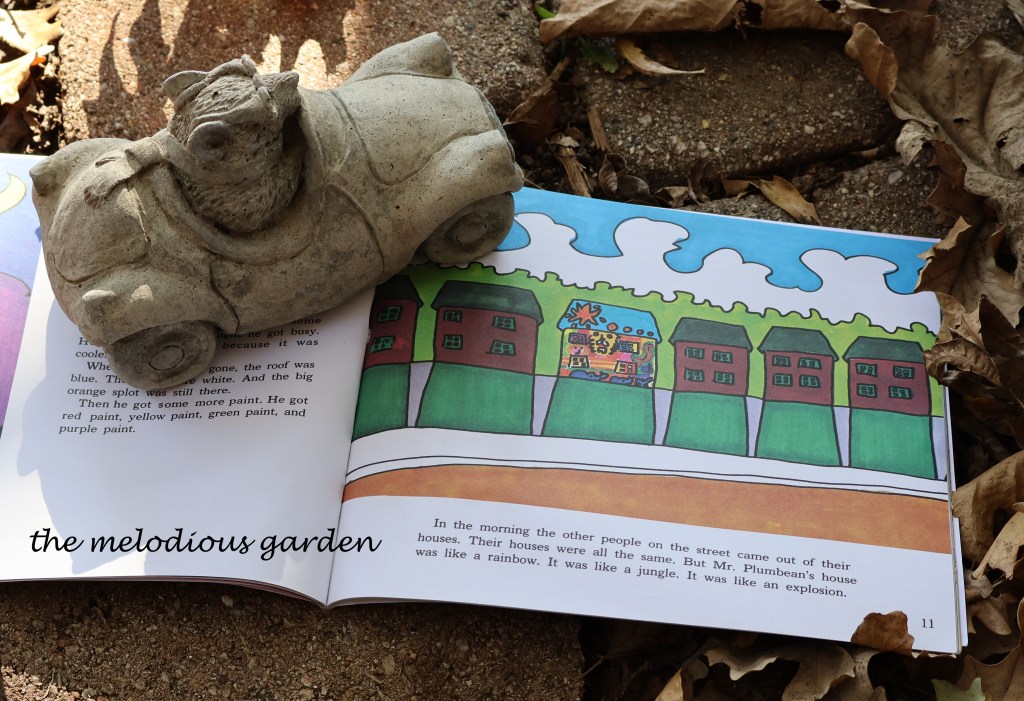
To paraphrase Mr. Plumbeam, My garden is me and I am it. My garden is where I like to be and it looks like all my dreams.
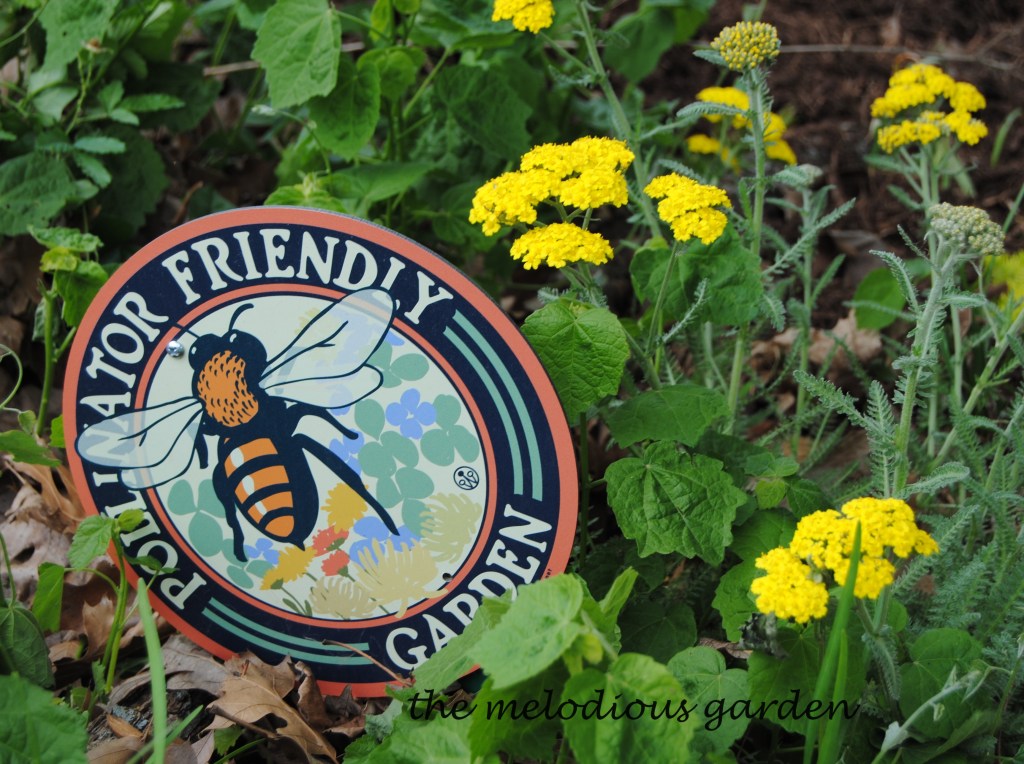
A few years ago, I did add pollinator signs in my front garden beds, as I believe the signs raise awareness and maybe make people curious about what a pollinator friendly garden is. Perhaps they will now associate certain plants as beneficial to pollinators. The signs also show the neighbors that the garden is intentional. It isn’t a weed patch. These are pollinator friendly plants that I selected for that very purpose.
Happy World Bee Day.
Keep calm. Garden on. And get involved.
Kim Eierman is the author of The Pollinator Victory Garden: Win the war on pollinator decline with ecological gardening. She spoke at Texas Woman’s University in April.
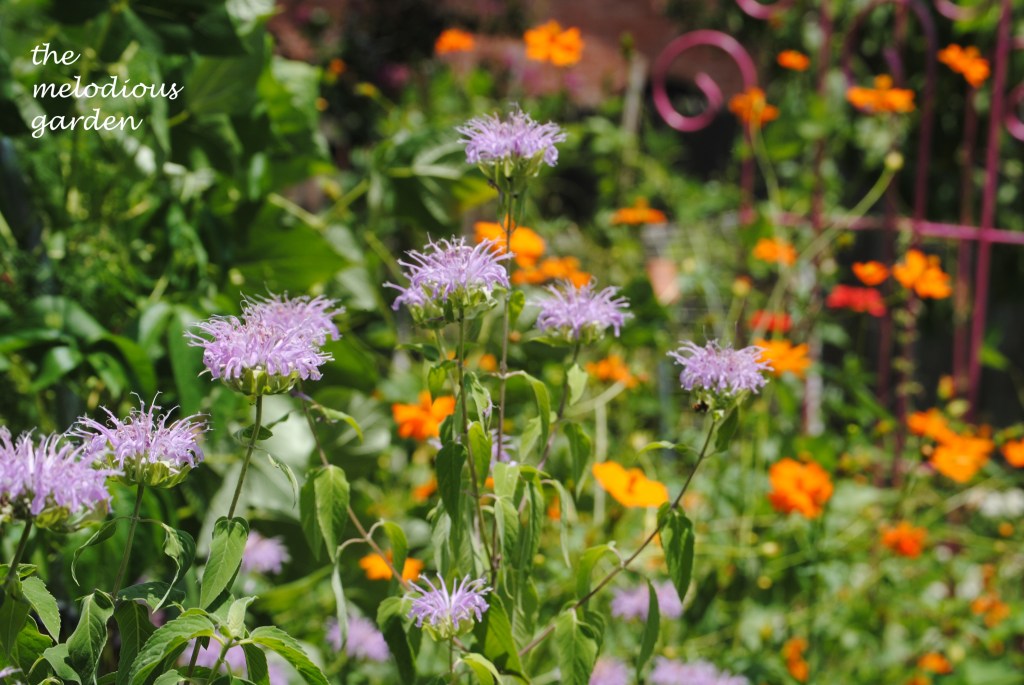
The first two photographs were taken at Texas Woman’s University in April of this year. The remaining photographs were taken in my Southern Denton County, Texas, garden in 2025.