
It is a common refrain.
Oh, I can’t garden. I kill everything I plant.
I tried to put in a garden, but I guess I am just just not cut out for it because everything I planted died.
As my life happily revolves around gardening, the topic ends up weaved in, in some way, to many conversations. And, as the saying goes: If I had a nickel for every time someone told me they lack the gardening gene, I would be able to buy myself a lovely Victorian greenhouse!
I am honestly sad when someone tells me they lack the green thumb needed to be a gardener. I often tell them that it takes time and practice, that we learn more from our failures than we do of our successes. One can’t simply put in a garden, kill something, then give up. We didn’t do that when we learned to ride a bike, right? We kept trying until we figured out how to balance on two wheels and pedal and turn corners and brake without flying over the handlebars. The same is true for gardening.
There are many pieces and parts to successful gardening – soil, weather, sunlight/shade, knowing what to plant when. As with balancing a bike, if one thing is off, it can affect the whole. It takes practice and research and – yes – sometimes killing a few plants to figure out how to garden successfully. The goal is to research and learn so we don’t have to kill quite so many plants as we grow as gardeners.
Today, though, I want to talk about the elephant in the room garden center.
This morning, like, um, too many mornings, I decided to stop by the local chain garden center that is conveniently located between our house and the gym. (It is my reward for getting up early on a Monday morning and hitting the gym.) And there it was. That elephant. Looking all cute and promising, lush and green. Just waiting to be purchased and taken home and tucked in to some new gardener’s garden.
I don’t blame the new gardener. How would they know that we can’t plant elephants in North Texas in mid-February? Why, after all, would a garden center be selling something that is still many weeks two months away from doing well in the garden?
Well, it’s an easy buck (five bucks, actually) for the garden center. And, sadly, many new gardeners fall for those elephants, enough that garden centers continue to sell them. It’s a vicious cycle. There is implied trust, that what is being sold is acceptable to be planted. But it leaves many wanna be gardeners thinking they can’t garden. Of course the elephant died. It is February. Elephants are a heat loving plant, they are very cold sensitive and we are still weeks away from our average last frost date. But the new gardener? They are still learning, practicing, researching, figuring out what to plant when. So they trust that the plants available today are suitable to be planted today.
Those are the elephants. We look the other way when we see them being sold before (or after) their time. It’s easier to blame the unknowing plant buyer than to blame the industry. And yet the industry continues to push out summer vegetables earlier and earlier, when they know the majority of those plants will likely freeze when planted this early.
First – I want to take a moment to discuss where plants may be purchased, as that it a critical part of gardening and understanding elephants, as it directly impacts what ends up for sale to the consumer/gardener.
1.) a Big Box hardware or home improvement store that has a garden center attached to it, where wholesale plant buying decisions are often made hundreds of miles away
2.) a chain garden center (ie: they are a dedicated garden center but they have many locations across a region)
3.) an independent garden center (ie: they are a dedicated garden center but only have one or two locations).
I personally prefer to purchase from number three, the independent garden center. I find that they are much more likely to sell plants that will do well in our area and are more likely to sell the correct plants for the season. They also tend to hire gardeners as employees. Because independent garden centers have a direct financial impact from every plant they sell – or don’t sell – they are much more likely to educate gardeners and have resources available, from “how to” classes to handouts and planting guides. I love supporting the many wonderful independent garden centers in North Texas, as I think the quality of their plants is well worth the drive. Prices at independent garden centers tend to be a bit higher than Big Box stores, but less than our chain garden centers. This now circles back to this morning and those elephants.
We have a chain garden center that is quite literally – In Our Back Yard. When we bought our house 30 years ago, the land behind our back fence was horse pastures. Then suburbia came in and McMansions sprouted up, along with a chain garden center, a Tex-Mex restaurant and a drive through coffee place. I have been known to walk to this garden center. It is way too convenient for those times when I just need a bag of potting soil or a plant pick me up. Or a reward for dragging myself to the gym on a Monday morning.
But. Those elephants!
Row after row of lovely vegetable starts! They did look appealing, fresh off the delivery truck. Lush green growth. Beautiful color photographs showing what harvests await.
But one of the first “rules” of gardening – one of the most important steps to a successful garden – is knowing what to plant when.
I garden just north of Dallas-Fort Worth, in USDA plant hardiness zone 8b. According to The Old Farmer’s Almanac, my average last freeze date of the winter is March 23rd. Our average first freeze of the fall/winter is November 9th, which gives me roughly 230 days without freezing temperatures. I say “roughly” because 1.) these are averages and 2.) other sources may give dates a week or so off.
What that information means, though, is that gardeners in North Texas may well expect a freeze in mid- to late March, which is still over a month away. Some of those vegetable starts available this morning at the chain garden center are perfectly fine to be planted now. But the majority of them left me sad, disheartened to know that new gardeners would likely be lured in to buying and planting them. A vegetable planting guide, a handy chart of what vegetable to plant when, is such a simple thing, one of the most practical and inexpensive tools every gardener should have. Vegetable planting guides should be readily available at all garden centers, either as a QR code to scan or as a handout.
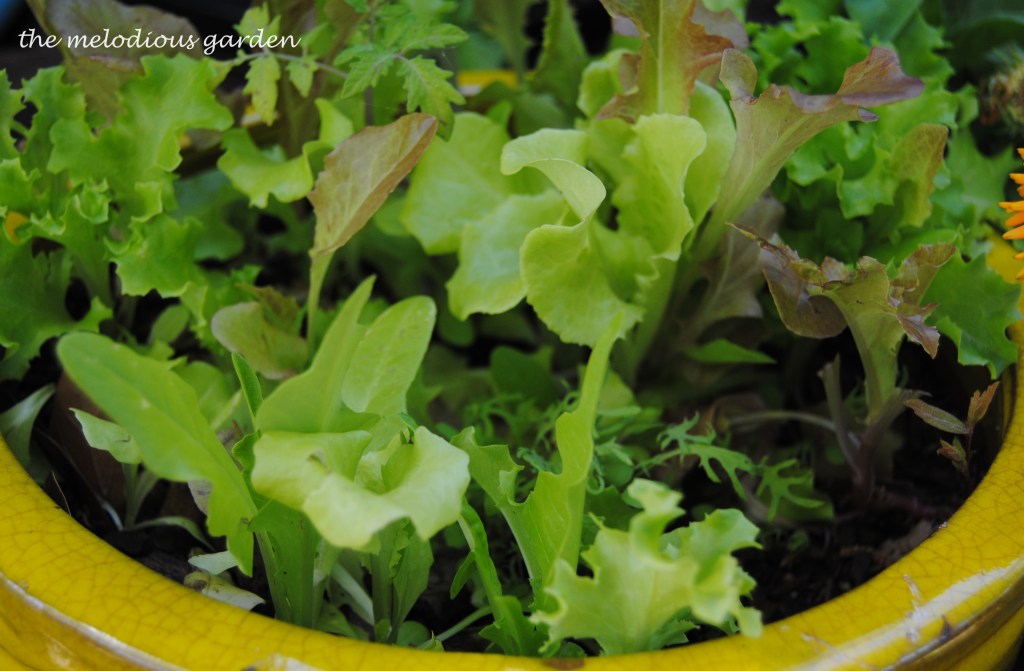
I personally keep three vegetable planting guides from the three independent garden centers that I frequent. Yes, the information overlaps and having three may be overkill, but it also guarantees I can always find a copy when I need it because – yes – even long-time gardeners sometime need to doublecheck planting dates. Brassica (cauliflower, broccoli, etc), lettuce and Swiss chard can handle cooler temperatures. Those can be planted now. But hold off on those elephants – corn, beans, squash, cucumbers.
Perhaps the biggest elephant in the room garden center – corn. Corn! Now I grew up in Iowa (a far ways from North Texas) and we always said corn should be knee high by the fourth of July. I don’t actually know what it should be here, but I can assure you buying knee high corn in February won’t get you anywhere except out five bucks. Corn loves the heat of summer. Our soil temperatures and air temperatures are still too cool for corn, our days are still too short. We can still reasonably get a freeze for another five to six weeks. And yet, as I wandered the greenhouse this morning, I saw so many individuals stop and look at them. Perhaps they had the same thought I did, “In what universe is it okay to buy and plant corn in mid-February?!” Alas. I know that cycle – the garden center offers them because they sell – and new gardeners buy those heat loving plants way too early in the season and then we get that March freeze (because we always do) and they think the failure is on them, that they can’t garden, they lack the gardening gene, when in reality the garden center should not have sold heat loving plants in mid-February!
And, yes, I know. Experienced gardeners love to push the bounds. Many of us love to tempt Mother Nature and plant our tomatoes in early March, knowing full well that we may still have a late frost and we will be dashing about, covering our tomatoes. But new gardeners may well not know this. All they know is that they bought said plant, planted it and it died. Now they think they can’t garden. The garden center made their money, but they potentially lost a future wonderful gardener who just bought the wrong plant, planted it at the wrong time and gave up before they had the wisdom to know not to plant elephants in North Texas in mid-February!




 the melodious garden