gardening

the melodious garden’s garden mascot

It has been brought to my attention that I have been negligent in introducing the melodious garden’s new garden mascot.

THE Garden Mascot.

The Great Ravioli Thief.

The Ferocious Rabbit Chaser. (Thankfully, so far Unsuccessful Ferocious Rabbit Chaser! Though she seems to have driven our resident wild rabbits on to another garden, which is successful enough for me!)

Catcher of Crane Flies.

The Official Hole Digger.

So, without further ado…

leia 2

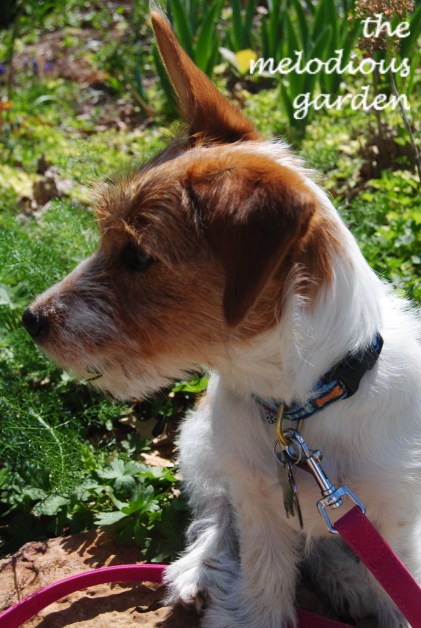
Leia… Princess Leia. (Er… ignore that spot of dirt hanging from her mouth. See above mentioned title Official Hole Digger. She was, um, digging right before I snapped her picture…)

Leia was adopted from Humane Tomorrow just a few days before Christmas. We were told she is a PBGV/dachshund mix. (PBGV is short for… Petite Brussels Griffon Verdeen. Yeah. We weren’t familiar with that, either.)

I call her my little platypus… Her tricolor coat looks beagle-ish. Her coat texture looks wire hair fox terrier-ish. She stands like a Welsh corgi. Her ears? No clue, aside from adorable!

leia 3

One ear goes up.

One ear goes down.

Both ears are fringed.

Now comes the part where I admit…

I had no idea it would be so hard to garden with a garden mascot! (See above mentioned comment about hole digging…) I just thought it was difficult to garden when my son was a toddler… (He was also a hole digger…)

But Leia is too adorable for words. Which makes the hole digging a bit more tolerable.

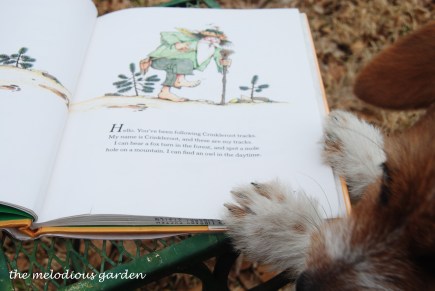
Oh. And she loves books almost as much as I do.

arnosky book2


gardening

Hellebores, aka Lenten Rose

Shade is precious in my North Texas garden. Though we have plenty of large trees, our property is situated at an odd corner of a cul-de-sac, with the house situated at an even odder angle. Both the front and back gardens receive sun from early morning to late evening year round. I have just a few shady spots, the perfect convergence of house, fence and tree.

helleboreNHG4

That is why, instead of purchasing garden plants in my normal “laissez le bon temps rouler” fashion, I carefully select my shade loving perennials. Hellebores are one of the plants I have deemed well worth every sacred bit of shade.

helleboreNHG3

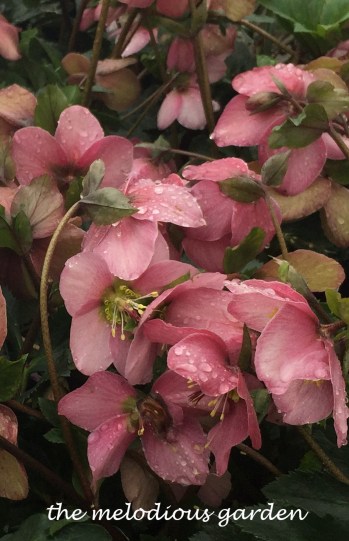
Hellebores, or Lenten Rose, are evergreen perennials which bloom for several months on end. Their common name comes from the fact that the blooms look slightly like a rose blossom and they start blooming during the season of Lent. It is not unusual for this perennial to hold its blooms up to four months straight. The hellebores’ thick leathery foliage holds up well to our Texas summers and our winter cold.

helleborecloseupNHGflower

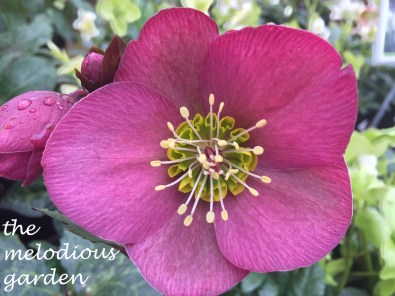
Hellebores come in a range of colors from near white to green to hot pink and dark purple, and may feature single, semi-double or double blooms. Be sure to shop your local specialty nurseries for hellebores in late winter, when you can see the colors available. Because hellebores are slow to propagate and grow to market size, they are seldom found for sale in box-garden centers.

helleboreNHG1

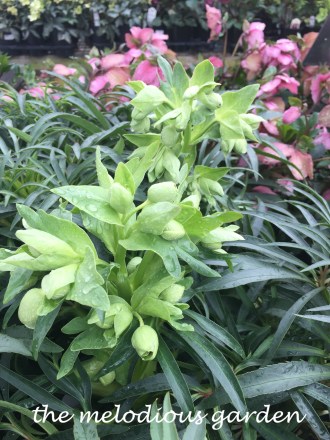
They are quite at home anywhere from quaint cottage gardens to shady tropical enclaves. The variegated foliage on the hellebore below is just screaming out to be featured in a tropical garden!

helleboreNGH2leaf

Hellelbores need moist, well drained soil, and are extremely hardy once established.

Their leaves are toxic, therefore the wild rabbits that inhabit (curse!) my garden leave them well enough alone.

Be sure to soak hellebores in diluted seaweed water and tease out their root system before planting.


gardening

Daylilies, part deux

A few days after I was lamenting the fact that I didn’t have any daylilies with a beautiful edge along its petals, I had a realization… My Facebook avatar is a daylily with a stunning edge! Sometimes those things we see every day go unseen. (Note to self: stop and look at the flowers…)

So off I went. To search all ten thousand, nine hundred and ninety-nine photos on my iPhone to find that photo! So here it is – a daylily with an edge and Part Deux on Daylilies!

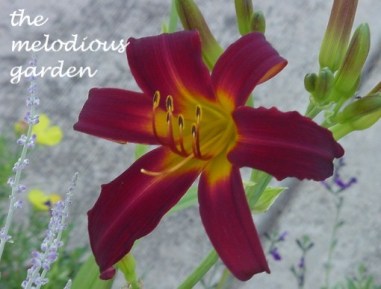
daylily with edge

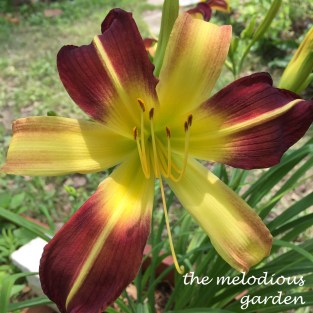
A daylily is said to have an edge when it has a distinctly different color along the outer petal edges, as in the photograph above. (Please excuse me when I don’t identify a specific variety. I do not always update my garden records.)

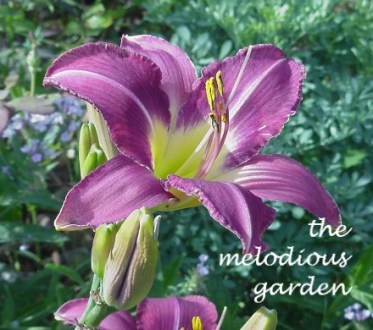
daylily with edge2

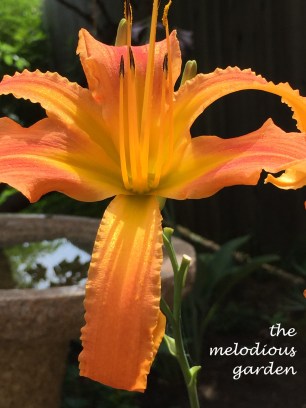
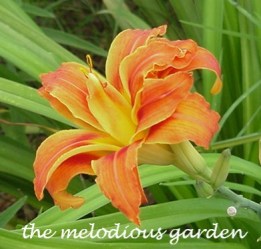
The edge of a daylily may have both a distinctly different color and… Fringe, as in the above photograph. Notice that bit of concrete? This daylilly grows – thrives – along my driveway in full, all day sun!

daylilyphone1

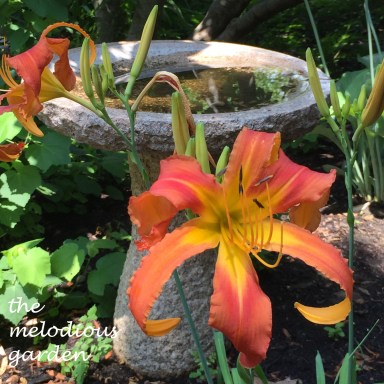
Lord Jeff, in the above photograph, is a great example of a spider daylily, where the length of the petals are longer than their width. This daylily also has distinct coloring on the midribs of its petals.

Another spider daylily, below.

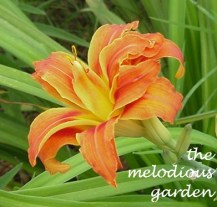
orangedaylily

Even though daylily blooms last only a day, each flower stalk puts out an amazing number of blooms!

daylily with birdbath

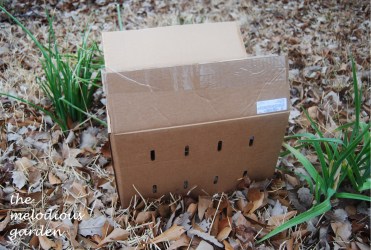
Now… I would like to share my recent daylily order from Oakes Daylilies. While I have never mail ordered daylilies from another source, I feel confident in saying – Oakes has the best daylilies. Ever. When you see these babies, I am sure you will agree. It just can’t get any better than this.

This box…

daylily box

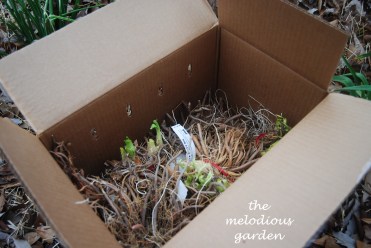
contains…

daylily box2

Now isn’t that a beautiful box of bareroot daylilies?!

daylily chicago star

Daylilies grow from rhizomes, and each daylily is bundled together and labeled.

daylily route 66

I soak each bundle in seaweed water for 15-30 minutes before planting and mulching.

Daylilies are an excellent addition to any perennial garden, as their colors and form compliment so many other flowers.

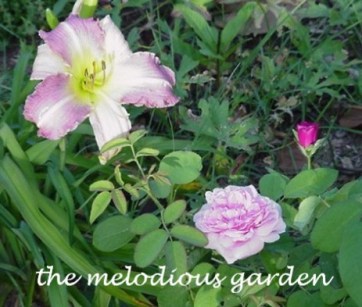
Lavender Blush daylily planted with bright pink winecups (callirhoe involucrata) and rose Comte de Chambord. (Photo is many years old, taken well before I lost this rose to RRD.)

dayllilyandcomte2

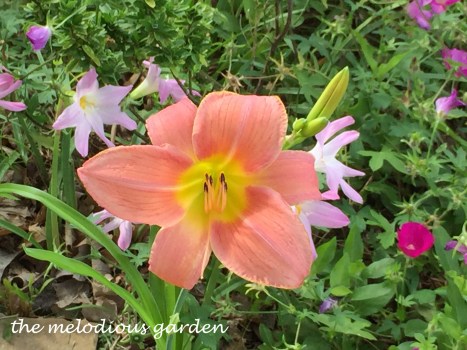
A peach colored daylily with pink rainlilies and (again) our native winecups. (Rainlilies and daylilies are not related.)

daylily with rainlily

A daylily with echinacea, aka coneflower.

daylily with coneflower

A garden bed, after the rain… daylily, coneflower and crepe myrtle. (The crepe myrtle is from the new Black Diamond series and was newly planted when this photo was taken.)

daylily coneflower crepe

gardening

Daylilies 101

Whether a gardener is looking for something to plant in full North Texas sun or a hardy perennial for a semi-neglected spot or an affordable plant for a tight garden budget, my answer is almost always the same. Plant a daylily. Hemerocallis -the perfect solution for so many gardening dilemmas.

There is full sun and then there is North Texas Full Sun and, yes, daylilies will grow – thrive – in sunny locations. They will also tolerate light shade, but do need at least 6-8 hours of sun a day.

Daylilies do well in semi-neglected areas, such as the hell-strip between your front sidewalk and street. Yes, they will flower best if some fertilizer is applied in early spring, but they won’t hold it against you if you don’t get around to it. They absolutely thrive in well tended gardens.

Newer varieties of daylilies are often very expensive, but older ones are available for a song. The plants can be divided every two to three years, which means that daylillies are often passed along from one gardener to another.

Daylilies are one of the easiest perennials to divide. If planted in the ground, simply lift out the clump with a pitchfork and soak the roots in some seaweed water. The roots can be teased apart and each section replanted. If you are buying a larger daylily at the nursery, it can often be divided before planting. Again, just soak the root ball and tease the roots apart. Just know that dividing perennials often stunt the first year’s blooms.

From color to size, there is a daylily for every garden.

Daylilies come in an assortment of colors, from near white to deep purple and bright yellow. They have a long bloom season, as some bloom early, some late, with some reblooming. Some have evergreen or semi-evergreen foliage, even in the coldest of winters, while others go dormant in winter.

Both the bloom size and the bloom height vary widely from one variety to another. Some daylily varieties have blooms as small as four inches across, while other daylily blooms are a jaw-dropping seven inches across. Likewise, some daylily blooms are held just a foot or two above soil level, while others top out at four feet or more!

Daylily terminology can be confusing to new gardeners, so here is a quick rundown on the basics. First off, daylily blooms have three petals and three sepals, alternating.

Bicolor: If the three petals are a different color than the three sepals, it is said to be bicolor. Wilson Yellow daylily, below, is bicolor.

wilsonyellow

Bitone: A daylily with three petals a different shade of the same color of the three sepals is considered bitone.

dayllilyandcomte2

Double: A double daylily has a second set of petals, such as the two daylilies pictured below.

double orange

daylillywithsalviagreggi

Edge: A daylily with an outer ‘edge’ of color that is considerably different than that of the petals and sepals. I wish I had a photo to share. (Note to self: Order a daylily with an edge.)

Eyezone: A daylily has an eyezone if the blossoms have a ring of color just above the throat, such as Bonanza shown below.

bonanza

Spider: A daylily is considered a spider if the petals and sepals are four times longer than their width. Alas, I don’t have any personal photos of a spider daylily, but trust me when I say: Spider daylilies are amazingly exotic and always a showstopper.

A few additional daylily photos from my garden over the years:

Rosie Meyer

rosie meyer

White Select

whiteselect

Lavender Blush (with our native winecup)

lavenderblushwinecups

Mountain Violet

mountain violet

Anxious to plant daylilies? So am I! I have used the same online vendor (Oakes Daylilies) for years because their quality and selection is amazing. (I will post photos of my shipment.) Local nurseries will be receiving spring shipments of daylilies in the next month or two, though selection is often limited.

gardening

A Red, Red Rose

Valentine’s Day is exactly a week away. If you are a gardener in North Texas, that can mean only one thing: It is time to prune the roses! That is, assuming you have roses left after Rose Rosette Virus spread throughout the land… Myself, I have just a handful left, down from the 100+ antique roses I had just a few short years ago. RRV was brutal in my Denton county garden.

One of the few roses I have remaining is Thomas Affleck, an intense pink rose with abundant hips. This rose was bred at The Antique Rose Emporium in Brenham, Texas, and named after a Texas nurseryman. I have no idea why this rose was spared when all the roses in the same flower bed were hit with RRV. It was the newest rose, not two years in the ground. Perhaps it was protected by the larger plantings around it.  Perhaps it will prove to be hardier than the norm. Time will tell as RRV is still abundant in the area.

One long-time rose gardener in North Texas says that he will continue to grow roses, even if he has to treat them as annuals. I admire his perspective and tenacity, as I miss my roses. But I am not yet ready to dive back into roses. Time marches on and so does the garden. I am expanding my herbs, adding in more Texas natives and planting more for the bees and butterflies.

If you are in North Texas and surrounded by RRV, it is wise to practice safe pruning. Don’t prune on an overly windy day. Disinfect your pruners between roses. Immediately bag all rose clippings. Clean up any rose debris around the base of your plants before adding fresh mulch. Remove any affected roses immediately. Do not listen to false reports that RRV can be treated. As much as I wish it could, there is no proven method at this time for saving roses once they are affected.

If you have a gardener and they prune your roses, please do us all a favor: Make them bag the pruned rose clippings! Do not let them drive off your property with the clippings tied down in a trailer bed, where the wind can further spread the mites that carry RRV.

If you are adding roses to your garden this season, please shop wisely. Skip over Knockout roses, which were mass bred and over planted. Shop your local independent nurseries that carry roses from reputable growers. Space your roses a few feet apart so the mites cannot travel from one plant to another.

——

A midwinter arrangement of greenery, including rose hips from Thomas Affleck and yaupon holly berries:

valentines greenery

A Red, Red Rose by Robert Burns

O my Luve is like a red, red rose
   That’s newly sprung in June;
O my Luve is like the melody
   That’s sweetly played in tune.
So fair art thou, my bonnie lass,
   So deep in luve am I;
And I will luve thee still, my dear,
   Till a’ the seas gang dry.
Till a’ the seas gang dry, my dear,
   And the rocks melt wi’ the sun;
I will love thee still, my dear,
   While the sands o’ life shall run.
And fare thee weel, my only luve!
   And fare thee weel awhile!
And I will come again, my luve,
   Though it were ten thousand mile.


gardening

Early Spring

Harshness vanished. A sudden softness
has replaced the meadows’ wintry grey.
Little rivulets of water changed
their singing accents. Tendernesses,

hesitantly, reach toward the earth
from space, and country lanes are showing
these unexpected subtle risings
that find expression in the empty trees.

By Rainer Maria Rilke


Winter was brutal in North Texas this year, with some of the coldest and driest weather we have experienced in years. But signs of spring are now popping up – subtle risings of warmer weather. The winter’s harshness has vanished. For now at least. The wintery grey is turning a lush green. Oh, we will have more winter to come. Our average last freeze date is March 12 and Mother Nature can be rough on us gardeners. An early spring often means one last late cold snap, a freeze so late it reminds gardeners of how mathematical averages are calculated. It is not unheard of for North Texas to have snow on Easter, after all. But – for today – I am enjoying the bright blue sky and the soft greens of an early spring.

Spring bulbs emerging

bulbs

Fennel putting on new growth

fennel

Salad burnet, a wonderful evergreen herb

salad burnet

Hellebores, or Lenten Rose, will be blooming soon

hellebores

Rosemary, blooming

rosemary blooming

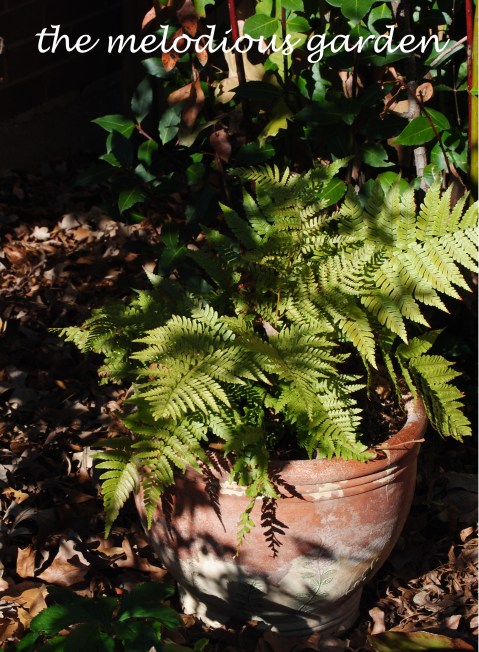
An evergreen fern, nestled away in a shady spot

fern


gardening

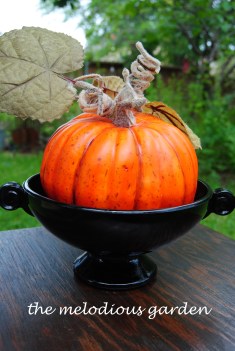
The first day of fall…

The first day of fall in North Texas is never reflected in the thermometer, no matter how much we hope it will be. But hang on. The temperatures will start inching downward in a week or two. And rain will once again bless our gardens. 

black bowl

Now is a great time to start making a list of your fall garden chores and deciding what bulbs to plant later this year for spring flowers. Our fall garden list this year includes finally building a new fence between us and the neighbor slightly uphill. Take advantage of our mild fall and winter weather for any hardscaping projects – such as new garden paths, constructing raised beds, building or repairing fences and gates. If you don’t have to rake a lot of leaves, now is a great time to add a fresh layer of mulch to your flower beds. If you are blessed (cursed?) with an abundance of leaves to rake, like we are, it is best to wait until the leaves fall and are raked up before adding new mulch.

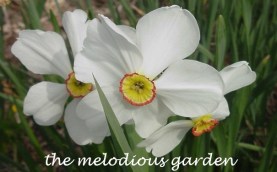
Bulbs that return year after year in this area are daffodils, crocus, species tulips, Dutch iris, Luecojum and hyacinths. Buy them early for the best selection, but hold off planting until late November to early December. 

trioofdaffodils

Fall is a great time to plant shrubs, trees and perennials as it gives them time to get established before the heat of summer. 

doubleorange

If you have perennials that need divided, now is a great time to do so. Hostas, daylilies and irises all benefit from periodically being divided. My preferred method for digging and dividing is to use a pitchfork to dig, then soak the plant and root ball in diluted seaweed water for a bit to loosen the roots. The roots should be able to be gently torn apart. If you are dividing iris rhizomes, cut back the blades to 2-3 inches before replanting. 

jesse'ssong

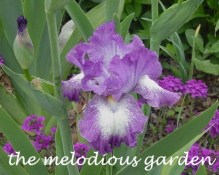
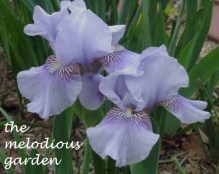
Iris rhizomes can be found at the nurseries in the fall and online suppliers ship this time of year. Soak the rhizomes in diluted seaweed water for about 15 minutes before planting. Irises need to sit high in the soil to bloom best, so be sure not to bury them deep or cover them with mulch. 

fantastic blue

This is also a great time to mail order daylilies. Oakes Daylilies continues to be my favorite online supplier. They always send amazingly large plants, plus take requests for a bonus plant. If you are unable to buy and plant daylilies now, never fear. Oakes ships in the spring, as well.

frivfrills2

Don’t forget that we can grow a variety of vegetables through the winter here in North Texas, including beets, lettuce, broccoli, Brussels sprouts, chard and carrots. Cool season annual herbs that thrive in our winter weather include cilantro, chervil and cutting celery (Apium graveolens). Independent garden centers stock vegetable plants and seeds that can be planted now.
gardening

Hibiscus schizopetalus

tropical hibiscus 1

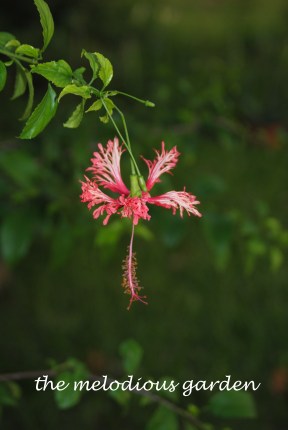
Hibiscus schizopetalus: One of my favorite tropical plants to grow in North Texas.

I drag this plant into the garage each winter, right before the first forecast of below-freezing weather. Nestled in the garage for the winter, the hibiscus goes dormant and drops all of its leaves.
Come spring, I drag it outside and prune it back severely. I remove all of the mulch and fallen leaves, top-dress it with earthworm castings and organic fertilizer and add a fresh covering of cedar mulch.

Then I sit back and watch it return to life… And it rewards me with these amazingly delicate blooms all summer long.

tropical hibscus 2

Hibiscus schizopetalus:

schizopetalus literally means split petals.


It is winter hardy in zones 10 and 11. Alas, I garden in zone 8a. I am thankful that hibiscus overwinter very well in this area and remain disease- and pest-free.

I bought my Hibiscus schizopetalus from a local nursery about ten years ago, though they can also be ordered from online suppliers.

gardening, herbal fare, vintage

Lemon verbena

Long time garden friends will not be shocked when I say:

Lemon verbena still is – and will forever be – my favorite herb.

A delight to brush against on a hot summer night while out watering the garden, its scent is refreshingly lemony without being overpowering

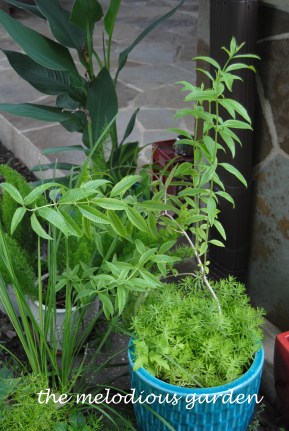
It is easy to grow and mixes in easily in containers, cut flower gardens, vegetable patches -the list is endless. Lemon verbena will grow in full sun to partial shade. Just be sure to plant some near your kitchen door so you can step outside and cut some whenever you want a punch of lemon flavoring.  It tends to get leggy if not pinched back regularly, so prune back and use the leaves often.

lemon verbena in pot

Though an annual in North Texas, it keeps its flavor when dried for winter use. If you can find lemon verbena in the nurseries now, it isn’t too late to plant and enjoy before our first freeze.

While I am still experimenting with ways to use this herb, I want to share two of my favorites. (And I will share my all-time favorite lemon verbena peach cobbler recipe soon!)

lemonade with lemon verbena

Lemon verbena lemonade (adapted from Fredericksburg Herb Farm’s recipe)

1 handful of lemon verbena leaves and lemon grass stalks

1 large can of frozen concentrate lemonade

2 large lemons, juiced

1 lemon, sliced for garnish

Wash and pat dry herbs, and place them in a large glass pitcher. Cover with the lemon juice. Stir together, pressing down on the herbs with a spoon. Add lemonade mix and 3 cups water, chill overnight. Garnish with lemon slices and additional herbs, if desired. (Mint may also be added to the lemonade. Alas. My son has mint sensitivities.)

peaches with lemon verbena

Lemon verbena peach ice cream (adapted from Cuisinart’s strawberry ice cream recipe)

1 pint fresh peaches, peeled and diced

Lemon verbena leaves – about ¼ cup

3 tablespoons fresh squeezed lemon juice

1 cup sugar, divided use

1 cup whole milk

2 cups heavy cream

In a food processor, whirl together ½ cup sugar with the lemon verbena leaves until the leaves are chopped fine. (The scent will be amazing!) In a small bowl, combine the peaches with the lemon juice and the lemon verbena/sugar mixture. Stir gently and allow the peaches to macerate in the juices for a few hours.

In a medium bowl, whisk together the milk and remaining sugar until the sugar is dissolved. Add in the heavy cream and any accumulated juice from the peaches. Turn on your prepared Cuisinart ice cream freezer and pour in the dairy mixture. Let mix until thickened, about 25-30 minutes. Add in the peaches during the last five minutes of freezing. (*Make sure the Cuisinart container is very cold, at least 24 hours in the freezer.)


bibliophile, gardening, herbal fare, nature, vintage

the melodious garden, explained

An orchestra pulls in many elements to make a wondrous song. The conductor. The musicians. The instruments. The acoustics of the performance hall.

And so it goes with gardening. A gardener pulls together plants, the elements, the sights and sounds of nature, to make a harmonious garden… a melody.

And such, the melodious garden is born. I seek to pull together the sights, sounds and textures of life, to pass along my love of books and gardening, beautiful creations and flowers and nature.

the melodious garden is coming together in pieces and parts. This blog. My garden boutique at The Grapevine Antique Market. (Booth U16, in “The Loft.”) Selling used books on Amazon. There are a few more garden related adventures on the horizon that will come together in time. My lovely sister-in-law, Kerri, is joining me on part of this journey, as she will be selling her floral creations in my garden boutique.

I have no idea where this path will lead, but life is always an adventure.